+977 9868136870 (Shankar) Mail Us | Make an Enquiry
10 Things Not to Do in Nepal (Avoid These Tourist Mistakes 2026)
Introduction
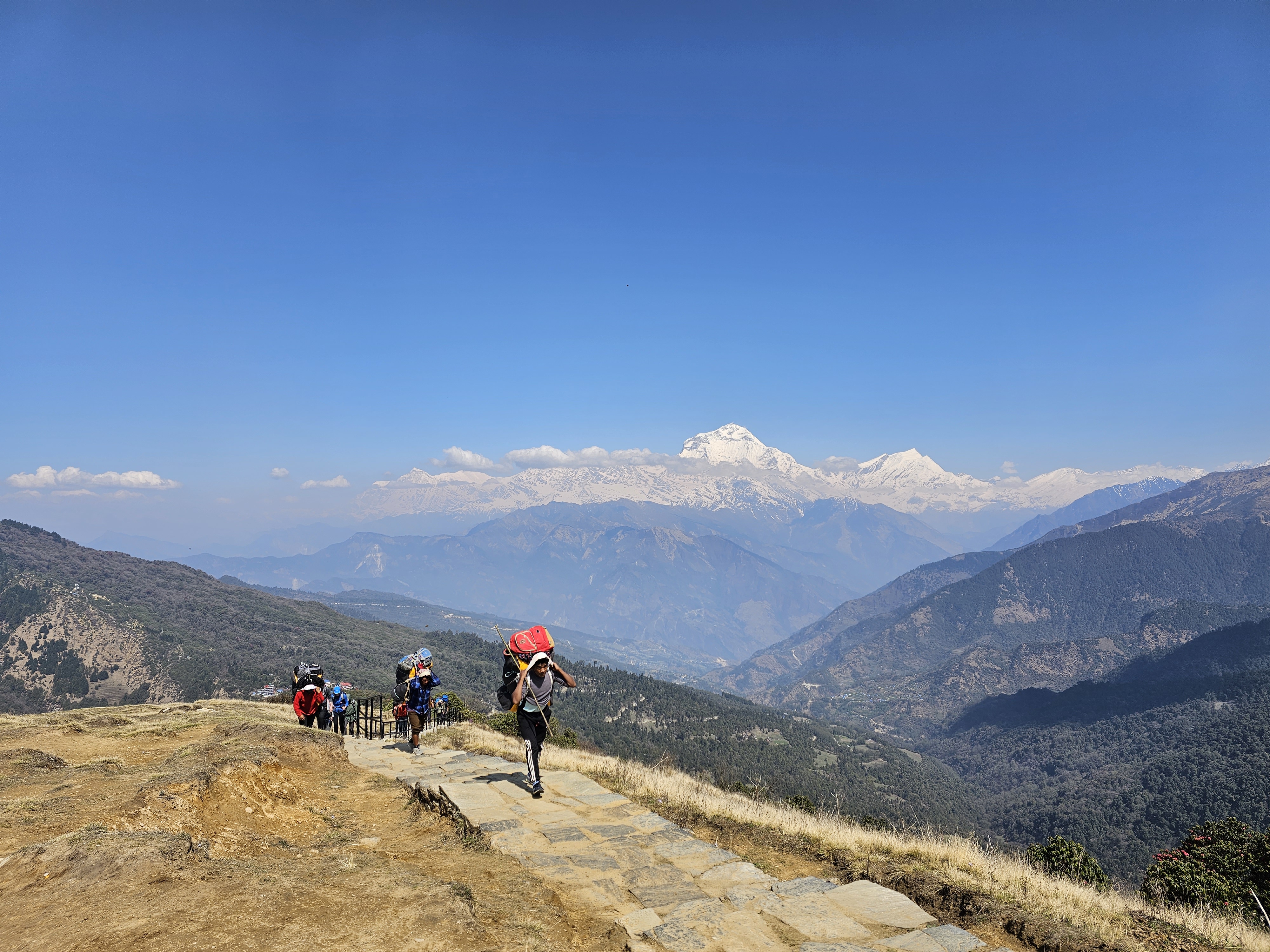
Nepal is more than just a travel destination—it’s an experience that stays with you long after you leave. From the towering Himalayas and serene temples to the warm hospitality of locals, the country offers something truly unique. But like any culturally rich destination, Nepal comes with its own set of unspoken rules, traditions, and sensitivities.
Many travelers unknowingly make mistakes that can come across as disrespectful or even risky. Understanding what not to do in Nepal is just as important as knowing where to go. A little awareness can make your journey smoother, more meaningful, and deeply rewarding.
In this guide, we’ll walk you through the 10 things tourists should never do in Nepal, along with practical advice on how to travel responsibly and respectfully.
1. Disrespect Religious Sites
Nepal is a deeply spiritual country, home to countless temples, monasteries, and sacred landmarks. These places are not just tourist attractions—they are active centers of worship.
Walking into a temple without awareness—touching sacred objects, stepping over offerings, or ignoring rituals—can be seen as highly disrespectful.
What to do instead:
- Always observe before acting.
- Remove your shoes when required, walk clockwise around stupas, and follow the lead of locals.
- Respect silence and avoid disruptive behavior.
2. Wear Inappropriate Clothing in Sacred Areas
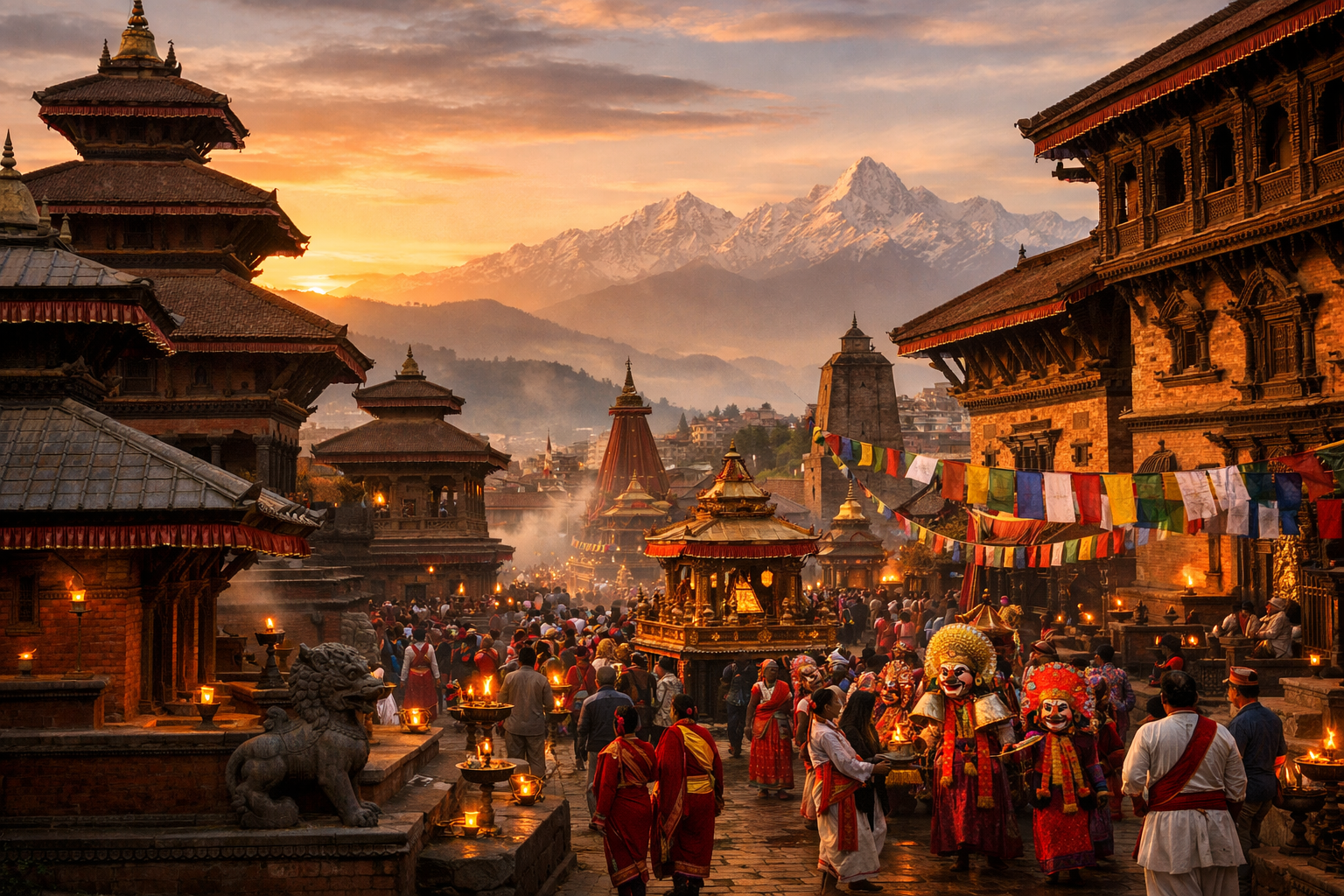
While Nepal is relatively relaxed compared to some countries, modesty is still important, especially in religious spaces.
Wearing shorts, tank tops, or revealing outfits inside temples can offend local sensibilities.
What to do instead:
Dress modestly—cover your shoulders and knees when visiting temples or monasteries. Carrying a light scarf or shawl can be very helpful.
3. Ignore Local Greetings and Cultural Etiquette
Nepali culture places great emphasis on respect and politeness. Ignoring greetings or behaving too casually can come across as rude.
A common mistake tourists make is skipping basic cultural gestures like greeting elders properly.
What to do instead:
Use “Namaste” with a slight bow and palms together. It’s simple, respectful, and instantly appreciated. Small gestures go a long way in Nepal.
4. Take Photos Without Permission
Nepal is incredibly photogenic—from colorful streets to traditional lifestyles—but that doesn’t mean everything is free to capture.
Taking photos of people, especially monks, elderly individuals, or women, without asking can feel intrusive.
What to do instead:
Always ask before taking someone’s photo. A smile and a simple gesture usually works. In many cases, people will happily agree.
5. Pollute Trekking Trails and Natural Areas
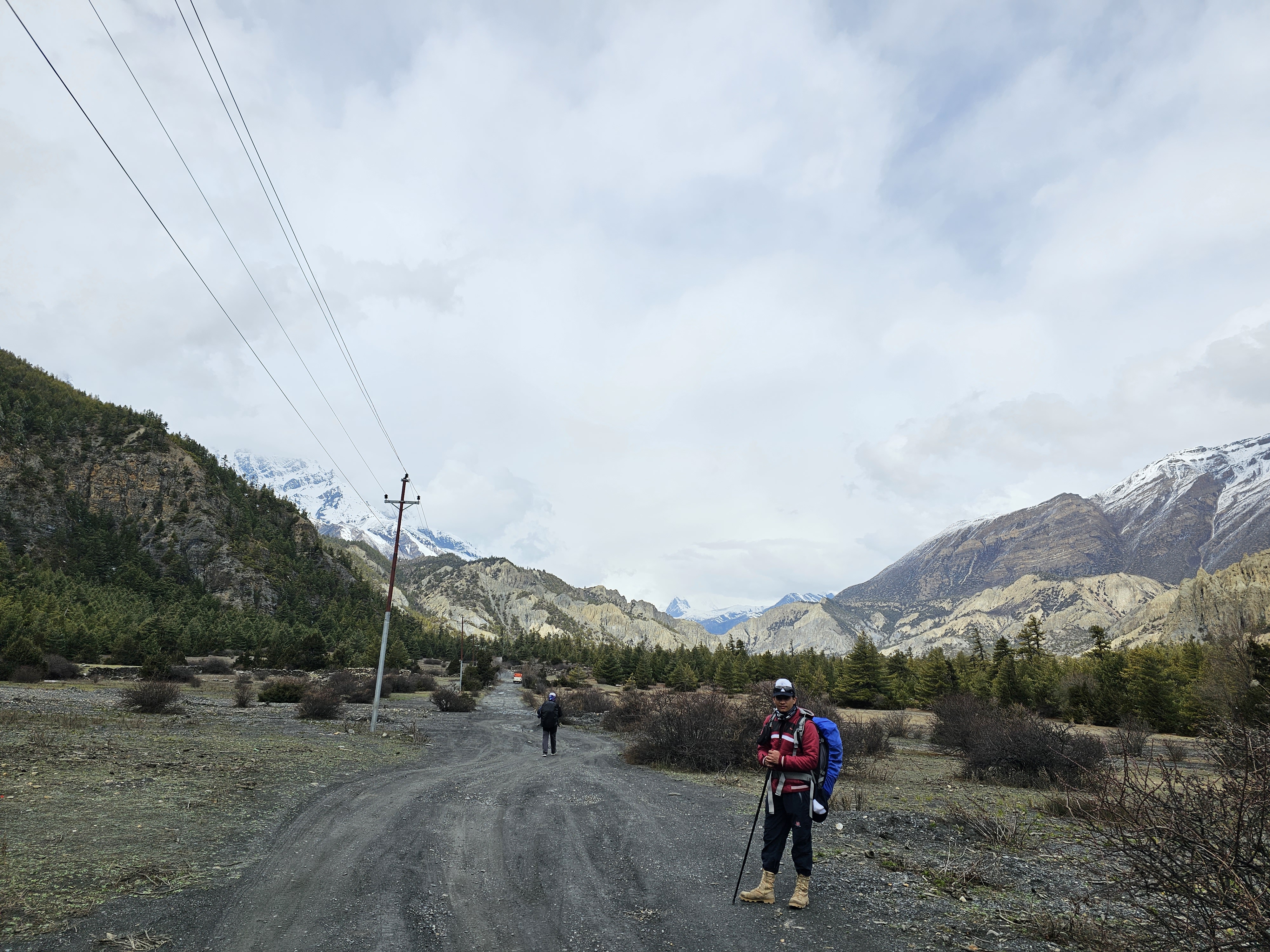
Nepal’s natural beauty is one of its biggest treasures. Unfortunately, increasing tourism has led to pollution in some trekking regions.
Leaving behind plastic bottles, wrappers, or other waste harms the environment and local communities.
What to do instead:
- Follow the “Leave No Trace” principle.
- Carry reusable bottles, avoid single-use plastics, and always dispose of waste responsibly.
6. Underestimate Altitude Sickness
Many tourists arrive in Nepal excited to trek in the Himalayas, but underestimate the effects of high altitude.
Altitude sickness is real and can become dangerous if ignored.
What to do instead:
- Take time to acclimatize, stay hydrated, and listen to your body.
- Never rush your ascent, and don’t hesitate to descend if symptoms appear.
7. Bargain Aggressively or Disrespectfully
Bargaining is common in Nepal, especially in markets. However, pushing too hard or being overly aggressive can come across as disrespectful.
For many local vendors, even small amounts matter.
What to do instead:
- Negotiate politely and with a smile.
- Aim for a fair price rather than the lowest possible one.
- Respect the effort behind handmade goods and services.
8. Show Public Displays of Affection
Nepal is generally conservative when it comes to public behavior. Excessive displays of affection like kissing or hugging in public spaces can attract unwanted attention.
What to do instead:
- Keep physical affection minimal in public areas, especially in rural regions and religious sites.
- Respect local norms to avoid discomfort.
9. Disrespect Wildlife and Nature
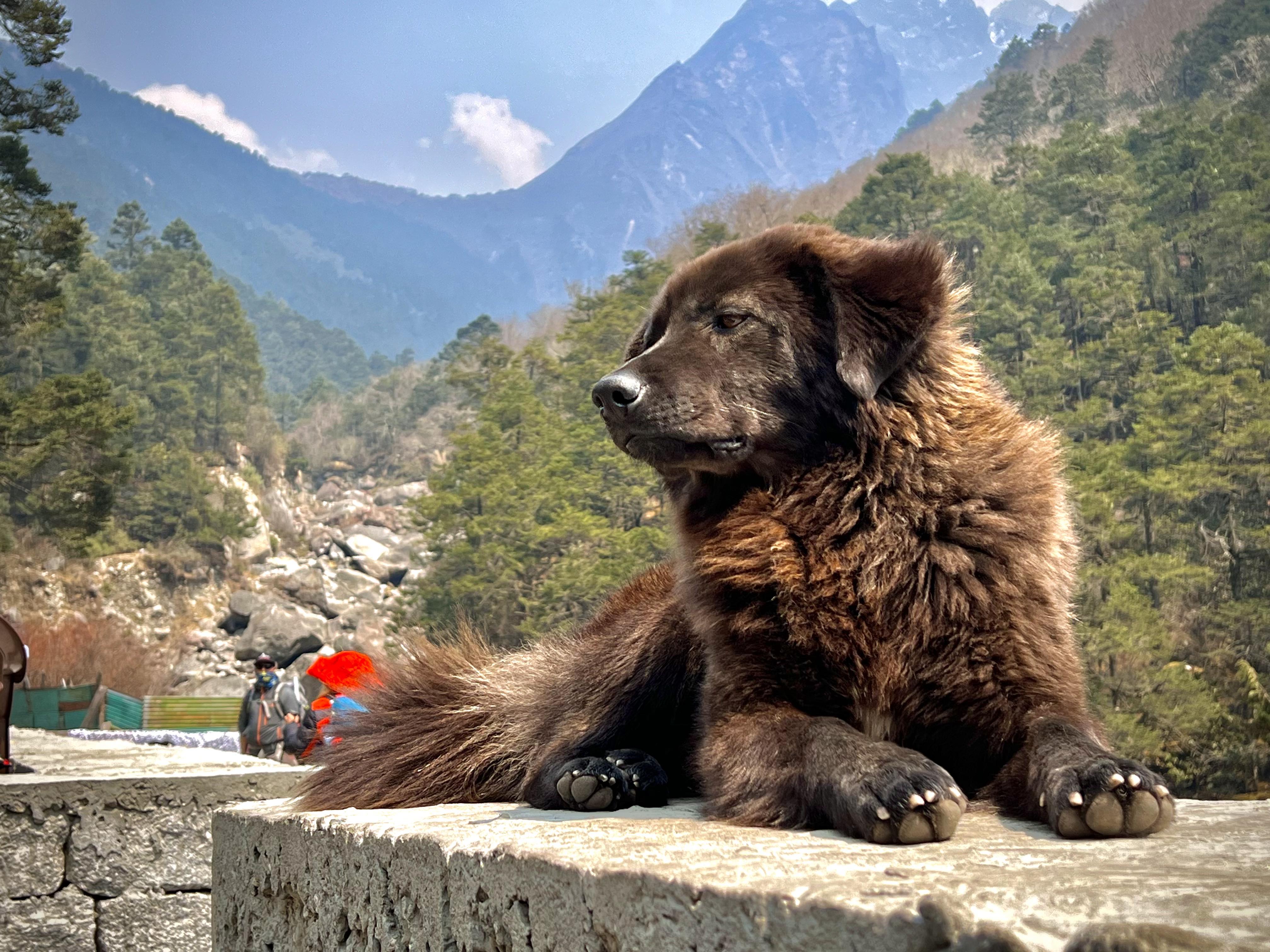
Nepal is home to diverse wildlife, including rare species. Some tourists make the mistake of getting too close, feeding animals, or disturbing natural habitats.
This not only endangers wildlife but also puts tourists at risk.
What to do instead:
- Observe animals from a safe distance.
- Follow guidelines provided by guides or park authorities, and never attempt to interact directly with wildlife.
10. Ignore Local Laws, Permits, and Regulations
Whether it’s trekking permits, national park fees, or drone regulations, Nepal has rules that travelers must follow.
Ignoring these can lead to fines, confiscation of equipment, or even legal trouble.
What to do instead:
- Always check permit requirements before traveling to restricted areas.
- Carry necessary documents and respect local laws at all times.
Traveling in Nepal is an unforgettable experience—but it becomes truly meaningful when approached with respect and awareness. Avoiding these common mistakes not only helps you stay safe but also allows you to connect more deeply with the culture, people, and environment.
Responsible travel isn’t about restriction—it’s about understanding. When you respect Nepal, Nepal welcomes you with open arms, offering experiences that go far beyond the surface.
So as you plan your journey, remember: it’s not just about where you go, but how you travel that makes all the difference.
Frequently Asked Questions (FAQ)
1. Is Nepal safe for tourists?
Yes, Nepal is generally very safe for tourists. However, like any destination, it’s important to stay aware of your surroundings and follow local guidelines.
2. Do I need permits for trekking in Nepal?
Yes, most trekking regions require permits such as TIMS cards or national park permits. Always check requirements before your trip.
3. Can I wear shorts in Nepal?
You can wear shorts in cities, but it’s recommended to dress modestly in rural areas and religious sites.
4. Is tipping expected in Nepal?
Tipping is appreciated but not mandatory. In trekking and hospitality sectors, it is common to tip for good service.
Planning your adventure in Nepal? Travel smart, respect the culture, and make your journey unforgettable. For more expert trekking guides, travel tips, and insider insights, explore our blog and start your Nepal journey the right way.
Recent Post
-
Festivals and Cultural Highlights of Nepal – A Celebration of Devotion and Diversity
Tourism In Nepal -
A Guide to Responsible Trekking: Leave No Trace in Nepal
Trekking Tips -
Top 10 Trekking Routes in Nepal for 2025
Trekking Tips -
Save The Himalaya
Trekking Tips -
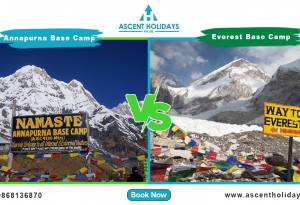
Everest Base Camp vs Annapurna Base Camp Trek | Which is Best for You?
Tourism In Nepal -
Discover the majestic Annapurna Region: A Trekker's Paradise
Trekking Tips -
Trek To Everest Region
Trekking Tips -
Adventures Beyond the Summit: Things to Do on Mount Everest
Trekking Tips -
Nepal: Where Nature’s Majesty Meets Timeless Beauty
Tourism In Nepal
Blog Category
Associated and certified


