+977 9868136870 (Shankar) Mail Us | Make an Enquiry
Annapurna Base Camp Trek 2026 Guide | Cost, Itinerary & Tips
Introduction
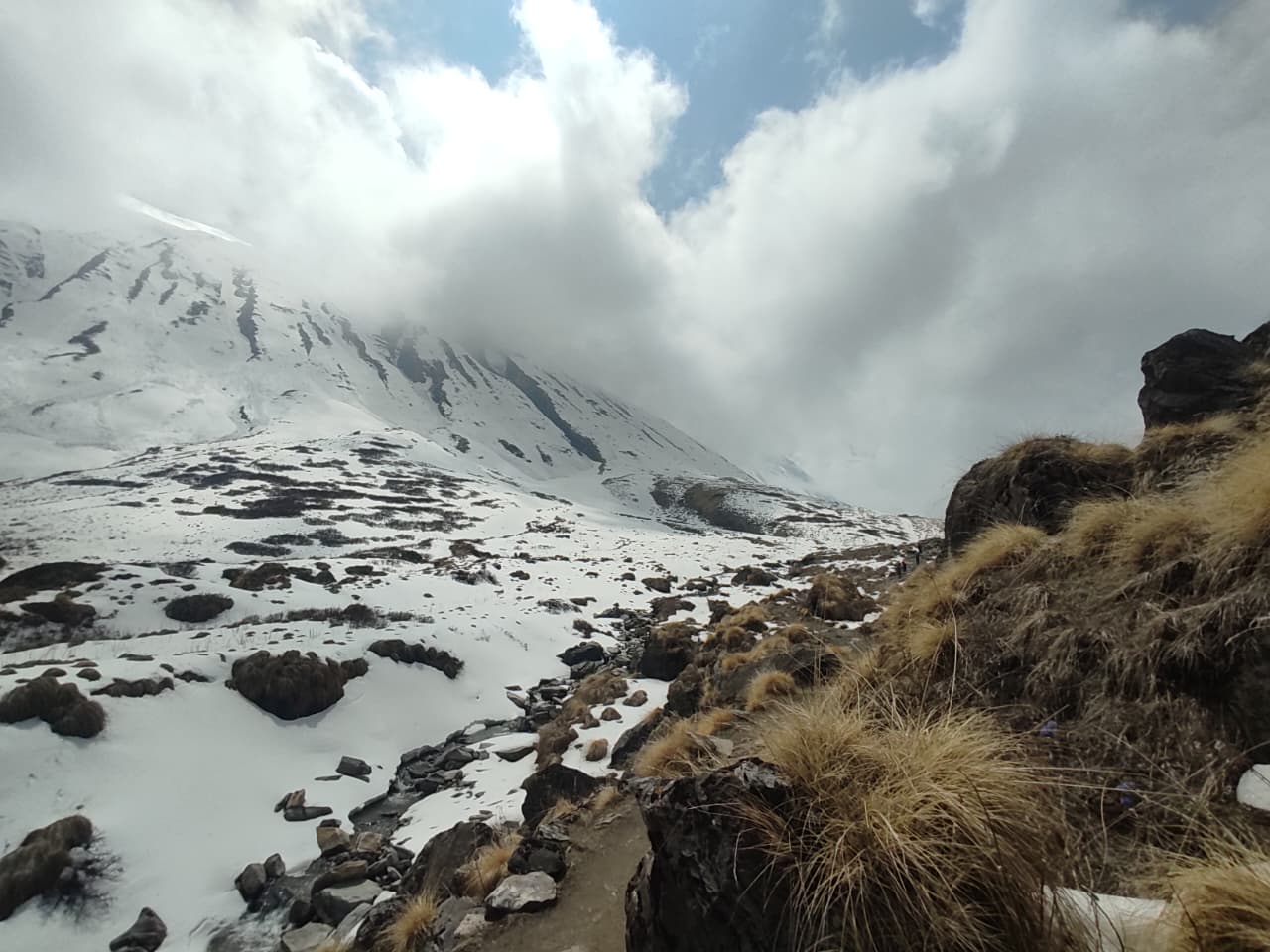
The Annapurna Base Camp Trek 2026 is one of the most iconic trekking experiences in the world, offering a perfect blend of Himalayan adventure, cultural immersion, and breathtaking landscapes. Nestled at an altitude of approximately 4,130 meters, Annapurna Base Camp (ABC) sits in the heart of the Annapurna Sanctuary, surrounded by towering peaks that create a natural amphitheater of snow and ice.
Unlike more extreme expeditions, the ABC trek is accessible to a wide range of travelers—from beginners with good fitness levels to seasoned trekkers seeking a rewarding yet manageable journey. With its diverse terrain, welcoming tea houses, and unforgettable mountain views, this trek remains a must-do adventure in Nepal.
As travel continues to evolve, 2026 presents an excellent opportunity to explore this legendary trail with improved infrastructure, better services, and a renewed focus on sustainable tourism.
Why Trek to Annapurna Base Camp in 2026?
The year 2026 is shaping up to be an ideal time for trekking in Nepal. The tourism sector has continued to grow stronger, resulting in better-managed trails, upgraded tea houses, and enhanced safety measures. For trekkers, this means a more comfortable and well-supported experience without losing the authenticity of the journey.
Another key advantage is the balance between popularity and crowd management. While the Annapurna region remains a favorite among global travelers, better route planning and awareness have helped distribute trekkers more evenly along the trail.
Additionally, environmental awareness and eco-tourism initiatives are becoming more prominent. Many lodges are adopting sustainable practices, making your trek not just an adventure but also a responsible travel choice.
Key Highlights of the Trek
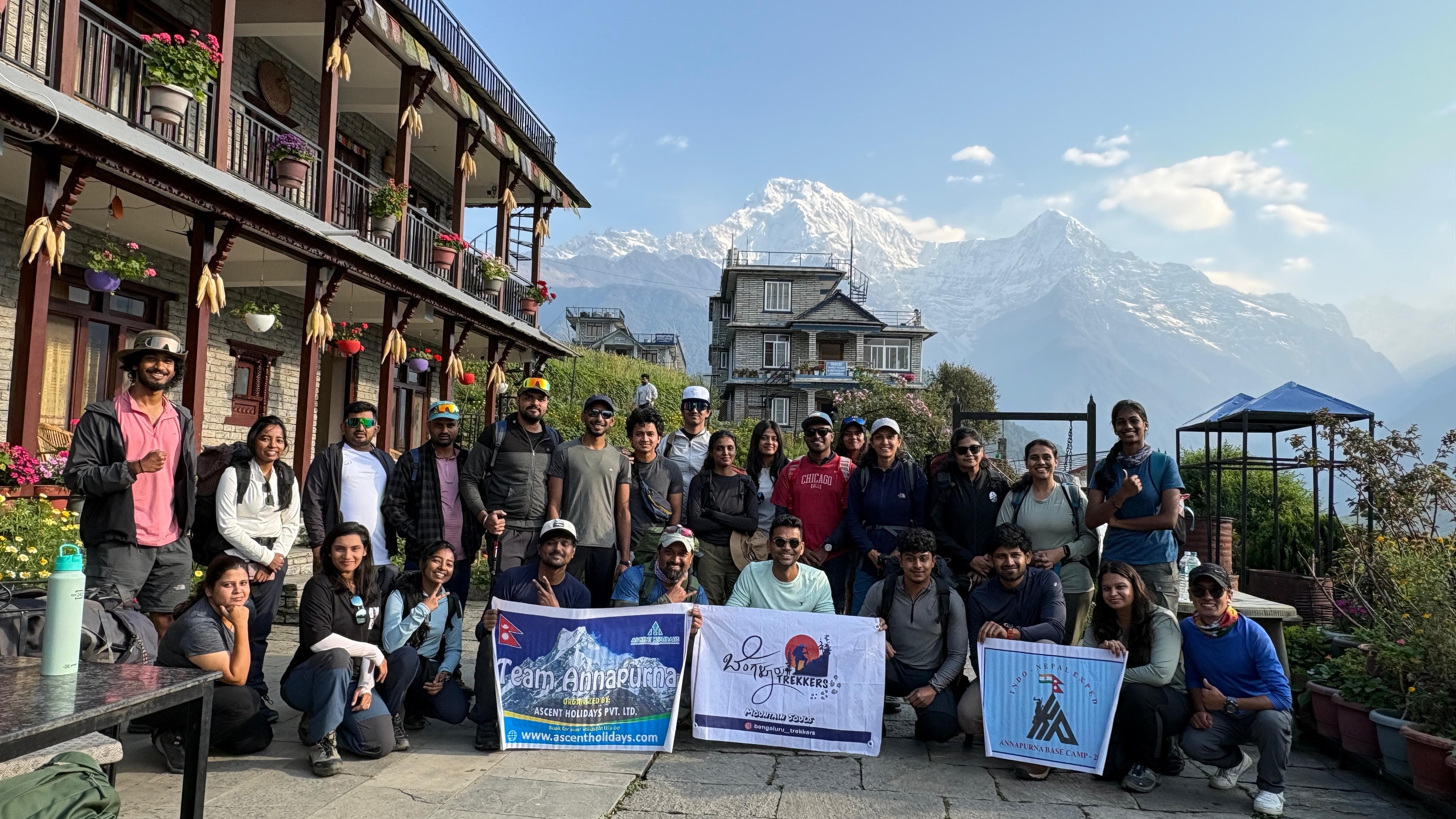
One of the main reasons travelers choose the Annapurna Base Camp Trek 2026 is its unmatched variety of experiences.
You’ll witness panoramic views of iconic peaks such as Annapurna I, Machapuchare (Fishtail), Hiunchuli, and Annapurna South. The journey takes you through lush rhododendron forests, terraced farmlands, cascading waterfalls, and high alpine landscapes.
Sunrise views along the trail—especially near Machapuchare Base Camp—are nothing short of magical. The golden hues illuminating the snow-covered peaks create a surreal and unforgettable moment.
Equally captivating are the traditional villages like Ghandruk and Chhomrong, where you can experience the warm hospitality of the Gurung and Magar communities.
Annapurna Base Camp Trek Route & Itinerary
The trek typically begins from Pokhara, a beautiful lakeside city and the gateway to the Annapurna region. From there, you’ll drive to Nayapul or a nearby starting point before beginning your trek.
Popular Route:
Pokhara → Nayapul → Ghandruk → Chhomrong → Bamboo → Deurali → Machapuchare Base Camp → Annapurna Base Camp
Sample 10-Day Itinerary:
Day 1: Arrival in Pokhara
Day 2: Drive to Nayapul and trek to Ghandruk
Day 3: Trek to Chhomrong
Day 4: Trek to Bamboo
Day 5: Trek to Deurali
Day 6: Trek to Annapurna Base Camp via Machapuchare Base Camp
Day 7: Return to Bamboo
Day 8: Trek to Jhinu Danda (hot springs)
Day 9: Trek to Nayapul and drive back to Pokhara
Day 10: Departure or rest day
This itinerary can be adjusted depending on your pace, fitness level, and preferences.
Trek Duration, Distance & Difficulty
The Annapurna Base Camp trek typically takes between 7 to 13 days, depending on your itinerary and acclimatization needs. The total distance is around 70 to 75 kilometers round trip.
In terms of difficulty, the trek is considered moderate. It doesn’t require technical climbing skills, but it does involve long walking hours, steep ascents, and high-altitude conditions.
Trekkers should be prepared for daily hikes of 5 to 7 hours. While challenging at times, the well-marked trails and availability of tea houses make it manageable for most people with a reasonable level of fitness.
Cost of Annapurna Base Camp Trek in 2026
The cost of the Annapurna Base Camp Trek 2026 varies depending on your travel style.
Budget Trek: $600 – $800
Standard Trek: $800 – $1,200
Luxury Trek: $1,200 – $1,500+
Cost Breakdown:
Permits: $30–$50
Accommodation: $5–$30 per night
Food: $20–$40 per day
Guide: $25–$40 per day
Porter: $15–$25 per day
Transportation: $20–$50
Hiring a guide is highly recommended for safety, navigation, and cultural insights.
Best Time to Trek
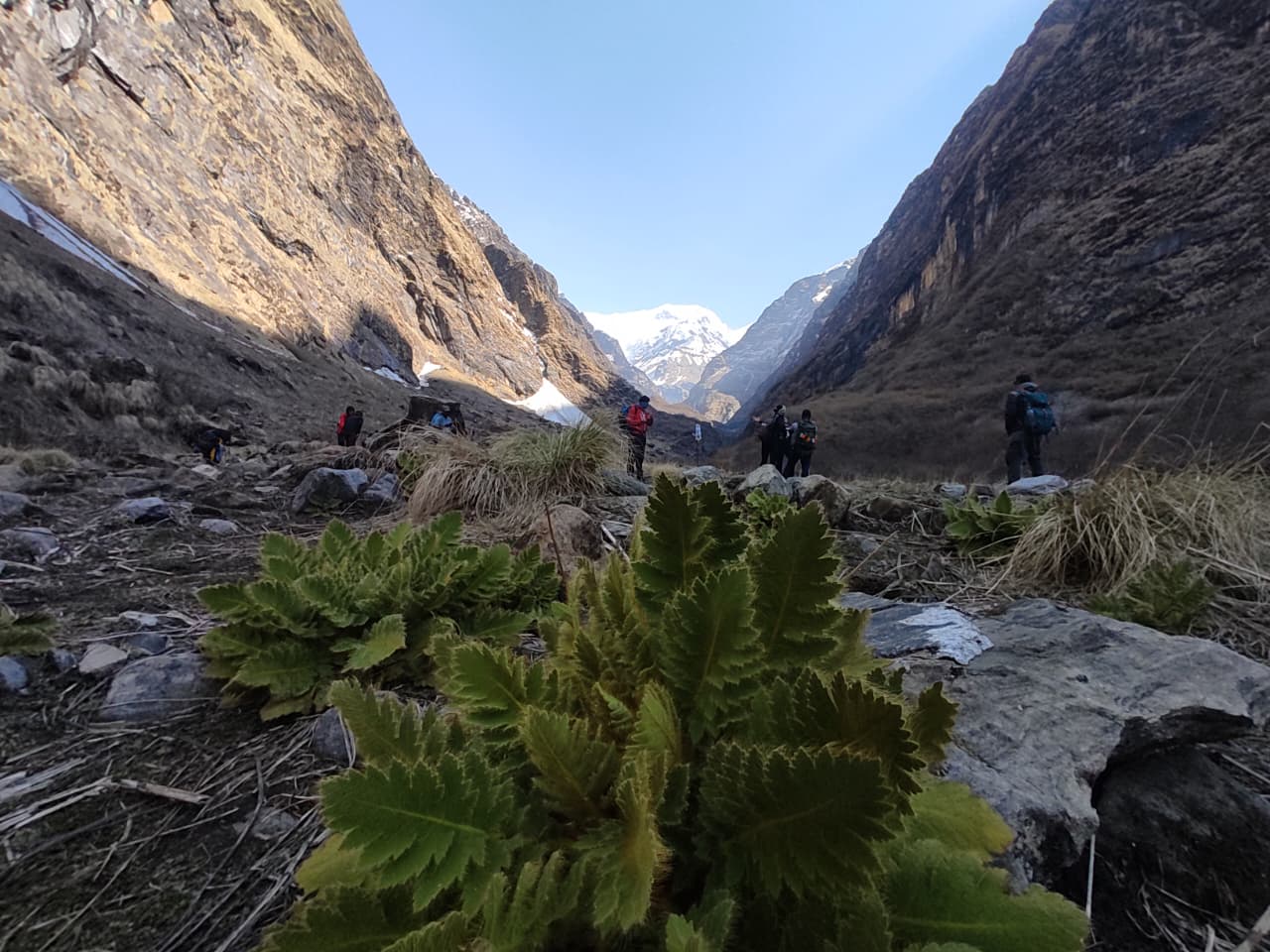
The best seasons for the Annapurna Base Camp trek are:
Spring (March to May):
Blooming rhododendrons, moderate temperatures, and clear skies make this season incredibly scenic.
Autumn (September to November):
Stable weather, excellent visibility, and crisp mountain views make it the most popular trekking season.
Winter trekking is possible but colder, while monsoon season brings heavy rainfall and slippery trails.
Permits & Requirements
To trek in the Annapurna region, you’ll need:
- Annapurna Conservation Area Permit (ACAP)
- TIMS Card (Trekkers’ Information Management System)
These permits help regulate trekking activities and support conservation efforts in the region.
Accommodation & Food
Accommodation along the ABC trail primarily consists of tea houses. These are simple lodges offering basic yet comfortable rooms.
Rooms are usually twin-sharing with shared bathrooms at lower altitudes and more basic facilities higher up.
Food options are surprisingly diverse, ranging from traditional Nepali dal bhat to pasta, noodles, soups, and pancakes. Dal bhat is a popular choice due to its nutritional value and unlimited servings.
Packing List & Gear Guide
Packing smart is essential for a successful trek.
Essential Items:
- Trekking boots (well broken-in)
- Warm layers (down jacket, fleece)
- Waterproof jacket
- Trekking poles
- Sleeping bag
- Backpack (30–50L)
- Water bottle and purification tablets
Layering is key, as temperatures can vary significantly between day and night.
Altitude & Safety Tips
Although the Annapurna Base Camp trek is not extremely high, altitude sickness can still be a concern.
Key Tips:
- Ascend gradually
- Stay hydrated
- Avoid alcohol at higher altitudes
- Listen to your body
Symptoms like headaches, nausea, and dizziness should not be ignored. Proper acclimatization and pacing are crucial.
Cultural Experience
The ABC trek is not just about mountains—it’s also a cultural journey. You’ll pass through villages inhabited by Gurung and Magar communities, known for their rich traditions and hospitality.
You’ll have the opportunity to experience local lifestyles, taste authentic cuisine, and learn about the region’s history and customs.
Tips for First-Time Trekkers
If you’re planning your first Himalayan trek, the Annapurna Base Camp route is an excellent choice.
Start preparing at least a month in advance with cardio and endurance training. Pack light but don’t skip essentials. Consider hiring a guide for a smoother and safer experience.
Most importantly, pace yourself and enjoy the journey rather than rushing to the destination.
FAQs
Is Annapurna Base Camp trek suitable for beginners?
Yes, with proper preparation and fitness, beginners can complete the trek successfully.
How hard is the ABC trek?
It is moderately difficult, involving long walking days and some steep climbs.
Can you do the trek solo?
Yes, but hiring a guide is recommended for safety and convenience.
What is the total cost of the trek?
Costs range from $600 to $1,500 depending on your travel style.
Conclusion
The Annapurna Base Camp Trek 2026 offers a perfect balance of adventure, culture, and natural beauty. From towering Himalayan peaks to charming mountain villages, every step of the journey is filled with unforgettable experiences.
Whether you’re a first-time trekker or an experienced adventurer, this trek promises a life-changing journey into the heart of Nepal. With better infrastructure, growing sustainability efforts, and unmatched scenic diversity, 2026 is the perfect time to plan your trek.
Now is the time to lace up your boots, embrace the mountains, and embark on one of the world’s most rewarding trekking adventures.
Recent Post
-

Festivals and Cultural Highlights of Nepal – A Celebration of Devotion and Diversity
Tourism In Nepal -
A Guide to Responsible Trekking: Leave No Trace in Nepal
Trekking Tips -
Top 10 Trekking Routes in Nepal for 2025
Trekking Tips -
Save The Himalaya
Trekking Tips -
Everest Base Camp vs Annapurna Base Camp Trek | Which is Best for You?
Tourism In Nepal -
Discover the majestic Annapurna Region: A Trekker's Paradise
Trekking Tips -
Adventures Beyond the Summit: Things to Do on Mount Everest
Trekking Tips -
Trek To Everest Region
Trekking Tips -

Nepal: Where Nature’s Majesty Meets Timeless Beauty
Tourism In Nepal
Blog Category
Associated and certified


