+977 9868136870 (Shankar) Mail Us | Make an Enquiry
Best Day Tours in Kathmandu Valley | Complete Travel Guide
Day Tours in Kathmandu Valley: Complete Guide to the Best One-Day Experiences
Kathmandu Valley is more than just the gateway to the Himalayas—it's the cultural and historical heart of Nepal. Nestled within a scenic bowl surrounded by green hills, the valley is home to centuries-old palaces, sacred temples, vibrant marketplaces, and timeless traditions that continue to shape everyday life. For travelers seeking an authentic introduction to Nepal, few destinations offer such a remarkable blend of spirituality, architecture, art, cuisine, and living heritage in such a compact area.
Comprising the historic cities of Kathmandu, Patan (Lalitpur), and Bhaktapur, Kathmandu Valley is home to seven UNESCO World Heritage Sites, each reflecting Nepal's extraordinary cultural diversity and architectural brilliance. From the bustling courtyards of Kathmandu Durbar Square to the peaceful atmosphere of Boudhanath Stupa and the medieval charm of Bhaktapur, every corner of the valley tells a story that has been preserved for generations.
One of the greatest advantages of exploring Kathmandu Valley is that many of its iconic attractions can be experienced in a single day. Whether you are visiting Nepal before embarking on a Himalayan trek, enjoying a weekend getaway, or simply have limited time, a carefully planned day tour allows you to experience the valley's most memorable landmarks without feeling rushed.
A day tour in Kathmandu Valley offers much more than sightseeing. It is an opportunity to witness ancient rituals at sacred temples, admire intricately carved wooden windows and stone sculptures, taste authentic Newari cuisine, wander through lively local markets, and engage with communities that have safeguarded their traditions for centuries. Every destination presents a unique perspective on Nepal's history, religion, and everyday life, making each tour a rewarding cultural experience.
Whether you are a solo traveler, a couple, a family, a photographer, or a history enthusiast, Kathmandu Valley has a day tour that matches your interests. From UNESCO heritage walks and spiritual journeys to scenic sunrise viewpoints and nature hikes, there is no shortage of unforgettable experiences waiting to be discovered.
This guide explores the best day tours in Kathmandu Valley, highlights must-visit attractions, shares practical travel tips, and helps you choose the perfect itinerary to make the most of your visit to Nepal's cultural heart.
Why Choose a Day Tour in Kathmandu Valley?
Kathmandu Valley is one of the few destinations in the world where centuries of history, vibrant traditions, and modern city life exist side by side. Unlike many cultural destinations that require long travel times between attractions, the valley's compact geography allows visitors to experience several iconic landmarks within a single day.
Easy Accessibility
Most major attractions are located within 10 to 25 kilometers of each other, making transportation convenient and efficient. Whether you choose a private vehicle, guided tour, taxi, or even a walking tour in selected areas, traveling between destinations is relatively straightforward.
Rich Cultural Heritage
Kathmandu Valley has served as Nepal's political, religious, and artistic center for over a thousand years. Ancient royal palaces, intricately carved temples, traditional courtyards, and sacred monasteries showcase the craftsmanship of the Newar civilization, whose influence remains visible throughout the valley today.
Ancient Temples and Royal Palaces
Every day tour introduces visitors to remarkable architectural masterpieces. From pagoda-style temples and palace squares to Buddhist stupas and hidden shrines, each monument reflects Nepal's unique blend of Hindu and Buddhist traditions.
Experience Authentic Local Life
Beyond the famous landmarks, visitors can observe everyday life unfolding in traditional neighborhoods. Local artisans continue to create wood carvings, pottery, metal sculptures, and religious artwork using techniques passed down through generations.
Morning markets bustle with fresh produce, temple bells echo through ancient streets, and local cafés provide welcoming spaces to relax while experiencing the rhythm of Kathmandu Valley.
Discover Traditional Newari Culture
The Newar community has played a central role in shaping the valley's identity. Their rich traditions can be experienced through festivals, architecture, cuisine, music, and religious ceremonies.
Sampling traditional dishes such as Bara, Yomari, Chatamari, Samay Baji, and Juju Dhau adds another memorable dimension to any day tour.
Convenient Transportation
Professional guided tours often include hotel pickup, transportation, entrance planning, and knowledgeable local guides who explain the historical and cultural significance of each attraction.
Independent travelers can also easily arrange taxis or ride-sharing services, making self-guided exploration accessible and flexible.
Suitable for Every Traveler
Kathmandu Valley offers experiences for every type of visitor:
- History lovers can explore medieval palace complexes and museums.
- Spiritual travelers can visit sacred Hindu temples and Buddhist monasteries.
- Families enjoy interactive cultural experiences and open heritage squares.
- Photographers find endless opportunities among ancient architecture and vibrant street scenes.
- Nature enthusiasts can combine heritage sites with scenic viewpoints and forest hikes.
- Regardless of your travel style, Kathmandu Valley provides an enriching one-day adventure that captures the essence of Nepal.
Kathmandu Durbar Square Tour
Kathmandu Durbar Square stands at the historic center of Nepal's capital and remains one of the country's most celebrated UNESCO World Heritage Sites. Once the royal palace of the Malla and Shah kings, this remarkable square is a living museum where centuries of history blend seamlessly with modern urban life.
Although parts of the complex were damaged during the 2015 earthquake, extensive restoration has helped preserve its historical significance while maintaining its timeless atmosphere.
Historical Significance
Dating back to the 12th century, Kathmandu Durbar Square served as the political and ceremonial heart of the Kathmandu Kingdom. Royal coronations, religious festivals, and important state ceremonies were traditionally held here, making it one of Nepal's most historically significant landmarks.
The square showcases exquisite Newari craftsmanship, with beautifully carved wooden windows, intricately decorated temples, and traditional courtyards that continue to attract historians, architects, and travelers from around the world.
Major Attractions
Highlights within Kathmandu Durbar Square include:
- Hanuman Dhoka Royal Palace
- Kumari Ghar (Residence of the Living Goddess Kumari)
- Taleju Temple
- Kasthamandap
- Jagannath Temple
- Kal Bhairav Statue
- Shiva-Parvati Temple
- Nasal Chowk
- Museum Complex
Things to Do
- Spend time exploring the palace courtyards
- visit the museum collections
- observe local religious ceremonies
- admire centuries-old wood carvings
- catch a glimpse of the Living Goddess Kumari during her scheduled public appearances.
The surrounding streets are equally fascinating, offering traditional handicraft shops, local cafés, and bustling markets that reflect Kathmandu's vibrant daily life.
Best Time to Visit
Early morning (8:00–10:00 AM) offers pleasant temperatures, softer lighting for photography, and fewer crowds. Late afternoon also provides beautiful golden-hour views. Approximate Visiting Duration is estimated to be around 2-3 hours.
Photography Highlights
- Ornate wooden windows
- Ancient temple rooftops
- Palace courtyards
- Traditional street scenes
- Colorful festivals (seasonal)
- Architectural details at sunrise and sunset
Travel Tips
- Purchase your entrance ticket at the official counter.
- Dress modestly, especially when entering religious areas.
- Hire a licensed guide to better understand the history behind each monument.
- Carry cash for entrance fees and small purchases.
- Respect ongoing restoration work by staying within designated visitor areas.
Bhaktapur Durbar Square Tour
Often described as Nepal's best-preserved medieval city, Bhaktapur feels like stepping back in time. Its brick-paved streets, intricately carved temples, traditional courtyards, and centuries-old artisan workshops create an atmosphere unlike anywhere else in the Kathmandu Valley.
Unlike the capital's fast-paced environment, Bhaktapur offers a slower, more immersive cultural experience, making it one of the finest destinations for a full-day heritage tour.
Historical Significance
Bhaktapur served as the capital of the Malla Kingdom from the 12th to the 15th century and became a center for art, architecture, pottery, and craftsmanship. Much of the city's original layout remains intact, preserving its medieval charm and offering visitors a rare glimpse into Nepal's rich cultural past.
Major Attractions
-
55-Window Palace
- Golden Gate
- Nyatapola Temple
- Bhairavnath Temple
- Vatsala Temple
- Taumadhi Square
- Pottery Square
- Dattatreya Square
- Peacock Window
Things to Do
- Explore narrow alleys lined with artisan workshops
- watch potters shape clay by hand in Pottery Square
- sample the famous Juju Dhau (King Curd)
- admire the exceptional woodwork and stone carvings that decorate temples and homes throughout the city
Best Time to Visit
Autumn and spring provide clear skies and comfortable temperatures, while early mornings offer peaceful streets and excellent photography opportunities.
Approximate Visiting Duration is estimated to be around 4–5 hours
Photography Highlights
Bhaktapur is a dream destination for photographers, with highlights including:
- Nyatapola Temple at sunrise
- Traditional brick alleyways
- Pottery Square
- Golden Gate
- Local artisans at work
- Daily street life
Travel Tips
- Wear comfortable walking shoes, as much of the city is explored on foot.
- Taste authentic Newari cuisine at local restaurants.
- Support local artisans by purchasing handcrafted souvenirs.
- Allocate enough time to explore beyond the main squares—the hidden courtyards are equally rewarding.
Patan Durbar Square Tour
Located in the historic city of Lalitpur, Patan Durbar Square is widely regarded as the artistic heart of Nepal. Known as the "City of Fine Arts," Patan has been a center of metal craftsmanship, wood carving, and Buddhist-Hindu architecture for centuries. The square is filled with beautifully preserved temples, royal courtyards, museums, and traditional homes, making it one of the finest cultural destinations in Kathmandu Valley.
Compared to Kathmandu Durbar Square, Patan offers a quieter and more relaxed atmosphere, allowing visitors to appreciate its remarkable architecture and intricate craftsmanship at a leisurely pace.
Historical Significance
Patan flourished during the Malla period and became renowned for producing skilled artisans whose work can still be found across Nepal and beyond. The city reflects a harmonious blend of Hinduism and Buddhism, evident in its temples, monasteries, and shrines.
The royal palace complex stands as a masterpiece of Newari architecture and remains one of Nepal's best-preserved historical landmarks.
Major Attractions
- Patan Royal Palace
- Patan Museum
- Krishna Mandir
- Hiranya Varna Mahavihar (Golden Temple)
- Bhimsen Temple
- Vishwanath Temple
- Mul Chowk
- Sundari Chowk
- Kumbeshwar Temple (nearby)
Things to Do
- Explore the palace museum to learn about Nepal's artistic heritage, admire the stone architecture of Krishna Mandir
- visit hidden Buddhist monasteries, and stroll through artisan workshops where traditional bronze statues and handmade crafts are still produced using centuries-old techniques.
- The nearby cafés overlooking the square provide an excellent place to relax while soaking in the city's timeless atmosphere.
Best Time to Visit
Morning and late afternoon offer pleasant weather and beautiful natural lighting for sightseeing and photography. Approximate Visiting Duration is expected to be around 2–3 hours.
Photography Highlights
- Krishna Mandir
- Palace courtyards
- Traditional Newari windows
- Golden Temple
- Local artisan workshops
- Sunset views over the square
Travel Tips
- Visit the Patan Museum—it is considered one of the finest museums in South Asia.
- Wander beyond the main square to discover hidden courtyards and monasteries.
- Support local craftsmen by purchasing authentic handmade souvenirs.
Swayambhunath (Monkey Temple) Tour
Perched atop a hill overlooking Kathmandu, Swayambhunath is one of Nepal's oldest and most sacred religious monuments. Affectionately known as the Monkey Temple because of the resident monkeys that roam the complex, this UNESCO World Heritage Site offers breathtaking panoramic views of Kathmandu Valley.
The site is revered by both Buddhists and Hindus and represents Nepal's long-standing religious harmony.
Historical Significance
According to legend, Swayambhunath emerged spontaneously from a lotus flower that bloomed in an ancient lake covering Kathmandu Valley thousands of years ago.
The iconic white dome and golden spire symbolize enlightenment, while the Buddha's all-seeing eyes gaze in every direction, representing wisdom and compassion.
Major Attractions
-
Main Stupa
-
Prayer Wheels
-
Vajra (Thunderbolt)
-
Harati Temple
-
Buddha Statues
-
Monasteries
-
Panoramic Viewpoints
Things to Do
- Walk up the famous 365 stone steps
- spin prayer wheels
- observe monks performing rituals
- interact respectfully with local pilgrims
- enjoy one of the finest panoramic viewpoints in the valley
Best Time to Visit
Early morning is ideal for witnessing local worship and enjoying clear views before the city becomes busy. Approximate Visiting Duration is estimated to be around 2 hours
Photography Highlights
- Buddha Eyes
- Golden Spire
- Prayer Flags
- Kathmandu skyline
- Sunset views
- Temple monkeys
Travel Tips
-
Keep food secured, as monkeys are known to grab snacks.
- Wear comfortable footwear for climbing the stairs.
- Visit during sunrise or sunset for spectacular lighting.
Boudhanath Stupa Tour
Boudhanath is among the largest spherical stupas in the world and one of the most significant centers of Tibetan Buddhism outside Tibet. The peaceful atmosphere, colorful prayer flags, monasteries, and rhythmic chants create an unforgettable spiritual experience.
Historical Significance
Dating back over 1,500 years, Boudhanath became an important stop along ancient trade routes connecting Nepal and Tibet. Today, it remains the spiritual center of Kathmandu's Tibetan community.
Major Attractions
-
Great Stupa
-
Tibetan Monasteries
-
Rooftop Cafés
-
Butter Lamp Offerings
-
Prayer Wheels
-
Mandala Shops
Things to Do
- Walk clockwise around the stupa with local pilgrims
- visit nearby monasteries
- enjoy authentic Tibetan cuisine
- observe monks engaged in prayer ceremonies
Best Time to Visit
Late afternoon is especially beautiful as butter lamps illuminate the stupa and monks gather for evening prayers. Approximate Visiting Duration is estimated to be around 2–3 hours.
Photography Highlights:
- Giant white dome
- Golden pinnacle
- Prayer flags
- Butter lamps
- Monks in traditional robes
- Sunset over the stupa
Travel Tips:
- Always walk clockwise around the stupa.
- Dress respectfully.
- Spend time on a rooftop café for panoramic views.
Pashupatinath Temple Tour
Pashupatinath Temple is Nepal's most sacred Hindu temple dedicated to Lord Shiva. Situated along the banks of the Bagmati River, the temple attracts thousands of pilgrims and visitors every day.
Although non-Hindus cannot enter the temple's main sanctum, they can explore the surrounding complex and observe traditional rituals from designated viewing areas.
Historical Significance
The temple has been an important pilgrimage site for centuries and plays a central role in Nepal's religious life. It is especially significant during the Maha Shivaratri festival, when devotees from around the world gather here.
Major Attractions
- Main Temple
- Bagmati River Ghats
- Cremation Ghats
- Evening Aarati Ceremony
- Sadhu Community
- Numerous Smaller Shrines
Things to Do
- Observe Hindu rituals respectfully
- Attend the evening Bagmati Aarati
- walk through the extensive temple complex
- learn about Nepal's spiritual traditions
Best Time to Visit
Early morning or evening during the Aarati ceremony. Approximate Visiting Duration is estimated to be around 2–3 hours.
Photography Highlights:
- Temple architecture
- Riverfront ghats
- Evening ceremonies
- Temple bells
- Sacred sculptures
Travel Tips:
- Photography restrictions apply in certain areas.
- Respect funeral ceremonies.
- Dress conservatively.
Changu Narayan Temple Tour
Situated on a hilltop east of Bhaktapur, Changu Narayan is considered Nepal's oldest surviving Hindu temple. Dedicated to Lord Vishnu, the temple showcases exceptional stone sculptures and traditional pagoda architecture.
Historical Significance
Dating back to the 4th century, Changu Narayan is recognized as one of Kathmandu Valley's UNESCO World Heritage Sites and contains some of Nepal's oldest inscriptions.
Major Attractions
-
Main Temple
-
Garuda Statue
-
Ancient Stone Inscriptions
-
Vishnu Sculptures
-
Temple Courtyards
-
Traditional Village
Things to Do:
- Explore ancient carvings
- enjoy peaceful surroundings
- walk through the surrounding village
- admire intricate Newari craftsmanship
Best Time to Visit
Morning throughout the year. And approximate visiting duration is estimated to be around 2 hours.
Photography Highlights:
- Historic carvings
- Temple roofs
- Village landscapes
- Sunrise views
Travel Tips:
Combine your visit with Bhaktapur Durbar Square for a rewarding full-day cultural itinerary.
Budhanilkantha Temple Tour
Budhanilkantha Temple is famous for its remarkable reclining statue of Lord Vishnu resting on a bed of serpents in a sacred pond. Carved from a single block of black stone, it is considered one of Nepal's finest examples of stone sculpture.
Historical Significance
Believed to date back to the Licchavi period, the statue continues to attract both pilgrims and international visitors.
Major Attractions:
- Reclining Vishnu Statue
- Sacred Pond
- Temple Complex
- Local Pilgrimage Area
Things to Do:
- Observe religious rituals
- admire the craftsmanshipenjoy the peaceful surroundings before continuing toward Shivapuri National Park.
Best Time to Visit
During the morning time and the Approximate Visiting Duration is estimated to be around 1-1.5hrs.
Photography Highlights:
- Vishnu sculpture
- Temple pond
- Flower offerings
Travel Tips:
Maintain silence around worshippers and respect religious customs.
Best Time for Day Tours in Kathmandu Valley
Spring (March–May)
Spring offers blooming flowers, mild temperatures, and excellent sightseeing conditions. Rhododendrons add vibrant color to nearby hills, making it an ideal season for photography and outdoor exploration.
Summer/Monsoon (June–August)
The valley becomes lush and green during the monsoon, but frequent rainfall can affect visibility and transportation. Morning tours are often the best choice during this season.
Autumn (September–November)
Autumn is considered the best time for day tours. Clear skies, pleasant weather, and major festivals such as Dashain and Tihar create a lively atmosphere across the valley.
Winter (December–February)
Winter brings crisp, sunny days and excellent mountain views. While mornings and evenings can be chilly, daytime temperatures remain comfortable for sightseeing.
Travel Tips for First-Time Visitors
-
Dress modestly when visiting temples and monasteries.
-
Remove shoes before entering sacred spaces where required.
-
Carry Nepalese Rupees for entrance fees and small purchases.
-
Ask for permission before photographing local people or religious ceremonies.
-
Respect local customs and avoid touching sacred objects.
-
Start your day early to avoid traffic and crowds.
-
Hire a licensed guide for a richer understanding of the valley's history and culture.
-
Carry reusable water bottles and avoid single-use plastics to support responsible tourism.
-
Wear comfortable walking shoes, as many heritage areas have uneven stone pathways.
-
Keep a light jacket during winter mornings and evenings.
Frequently Asked Questions
1. What is the best day tour in Kathmandu Valley?
The Kathmandu Heritage Tour, covering Kathmandu Durbar Square, Swayambhunath, Boudhanath, and Pashupatinath, is one of the most popular options for first-time visitors.
2. Can I visit all UNESCO World Heritage Sites in one day?
Although technically possible, visiting all seven UNESCO sites in one day would be rushed. It is better to spread them across two or three days for a more enjoyable experience.
3. Is one day enough to explore Kathmandu?
One day is enough to experience the city's highlights, but spending several days allows you to appreciate its culture, cuisine, and heritage more deeply.
4. What should I wear during a day tour?
Comfortable walking shoes, lightweight clothing, and modest attire suitable for religious sites are recommended.
5. Are guided tours worth it?
Yes. Licensed guides provide valuable historical and cultural insights that significantly enhance your experience.
6. How much does a Kathmandu Valley day tour cost?
Prices vary depending on transportation, guide services, and inclusions, but most guided day tours range from USD 40 to USD 120 per person.
7. Which season is best for day tours?
Autumn (September–November) offers the best weather, followed closely by spring (March–May).
8. Is Kathmandu Valley safe for tourists?
Yes. Kathmandu Valley is generally safe for travelers. As with any destination, remain aware of your surroundings and take standard travel precautions.
9. Are these tours suitable for families?
Absolutely. Most day tours are family-friendly and suitable for travelers of all ages.
10. How do I book a day tour?
You can book through licensed local travel agencies, hotel concierge services, or reputable online tour operators. Booking with a trusted local company often provides more personalized experiences and supports the local tourism economy.
Conclusion
A day tour through Kathmandu Valley is more than a sightseeing excursion—it is an opportunity to experience the living heritage of Nepal. From centuries-old royal palaces and sacred temples to bustling local markets and authentic Newari cuisine, every destination reveals a different chapter of the valley's remarkable story.
Whether you choose to wander through the timeless streets of Bhaktapur, admire the artistry of Patan, witness the spiritual energy of Boudhanath and Pashupatinath, or watch the sunrise over the Himalayas from Nagarkot, each journey offers unforgettable memories that extend far beyond the monuments themselves.
If you're planning a trip to Nepal, consider setting aside at least one full day to explore Kathmandu Valley. With thoughtfully designed itineraries, knowledgeable local guides, and a wealth of cultural treasures waiting to be discovered, you'll gain a deeper appreciation of Nepal's history, traditions, and warm hospitality.
Ready to explore Nepal's cultural heart? Contact a trusted local travel agency to customize your Kathmandu Valley day tour and experience the valley's heritage, spirituality, and vibrant local life with expert guidance.Day Tours in Kathmandu Valley: Complete Guide to the Best One-Day Experiences (Part 2)
Patan Durbar Square Tour
Overview
Recent Post
-
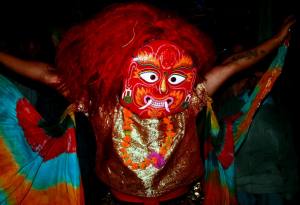
Festivals and Cultural Highlights of Nepal – A Celebration of Devotion and Diversity
Tourism In Nepal -
A Guide to Responsible Trekking: Leave No Trace in Nepal
Trekking Tips -

Langtang Valley Trek in 2026 | Complete Travel Guide
Trekking Tips -
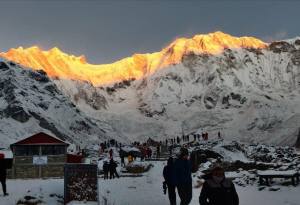
What It Feels Like to Reach Annapurna Base Camp | Real Trek Experience
Trekking Tips -
Top 10 Trekking Routes in Nepal for 2025
Trekking Tips -
Everest Base Camp vs Annapurna Base Camp Trek | Which is Best for You?
Tourism In Nepal -
Save The Himalaya
Trekking Tips -
Discover the majestic Annapurna Region: A Trekker's Paradise
Trekking Tips -
Adventures Beyond the Summit: Things to Do on Mount Everest
Trekking Tips -
Trek To Everest Region
Trekking Tips
Associated and certified