+977 9868136870 (Shankar) Mail Us | Make an Enquiry
Complete Travel Guide to Nepal – Visa, Permits & Travel Tips
Nestled between the giants of India and China, Nepal is one of the most beautiful and spiritually rich travel destinations in the world. From the snow-covered peaks of the Himalayas to ancient cities, lush jungles, and vibrant cultures, this small country offers an adventure for every traveler.
Why Visit Nepal in 2025?
2025 is an especially exciting year for travel in Nepal. The government is promoting “Visit Nepal Decade” initiatives. They are improving infrastructure, digital visa systems, and sustainable tourism projects. Whether you want to trek to Everest Base Camp, explore Kathmandu’s heritage, or enjoy a quiet escape by the lakeside in Pokhara, this guide covers everything you need to know before your trip.
Nepal Visa Information (2025 Update)
1. Visa on Arrival
Most travelers can obtain a Visa on Arrival at Tribhuvan International Airport in Kathmandu or at major land border crossings like Sunauli, Birgunj, Kakarbhitta, and Belahiya.
Visa Fees (as of 2025):
15 days – USD 30
30 days – USD 50
90 days – USD 125
Requirements:
- A passport valid for at least 6 months
- One recent passport-sized photo (digital kiosks available at the airport)
- Payment in cash (USD recommended)
- Completed online application form (recommended: https://nepalimmigration.gov.np)
2. E-Visa Option
Travelers from most countries can apply for an e-Visa before arrival. This option is convenient for those entering through land borders or avoiding queues at the airport.
Official Site: https://nepalimmigration.gov.np
Processing time: Usually 3 to 5 working days
3. Visa Extension
If you decide to extend your adventure, you can extend your visa up to 150 days per calendar year at the Department of Immigration in Kathmandu or the Immigration Office in Pokhara.
Fee:
- USD 3 per day (minimum 15 days)
- USD 5 per day for multiple-entry extension
Trekking & Travel Permits in Nepal
Depending on your trekking destination, you will need specific permits. The following are the most common:
1. TIMS Card (Trekkers’ Information Management System)
This card is required for most trekking routes to ensure your safety and track statistics.
Cost:
- NPR 2,000 (approximately USD 15) for individual trekkers
- NPR 1,000 (approximately USD 8) for group trekkers
Where to Get: Nepal Tourism Board (in Kathmandu or Pokhara)
2. National Park & Conservation Area Entry Permits
These permits are issued by the National Trust for Nature Conservation(NTNC) or entry checkpoints.
Annapurna Conservation Area (ACAP): NPR 3,000
Sagarmatha National Park (Everest): NPR 3,000
Langtang National Park: NPR 3,000
These fees support conservation and local community projects.
3. Restricted Area Permits (RAP)
Certain remote regions, like Upper Mustang, Manaslu, and Dolpo, require special permits that can only be obtained through licensed trekking agencies.
| Region | Permit Fee (per person) | Duration |
|---|---|---|
| Upper Mustang | USD 500 | 10 days |
| Manaslu | USD 100 (first 7 days) + USD 15/day extra | Variable |
| Upper Dolpo | USD 500 | 10 days |
| Nar-Phu Valley | USD 100/week | Variable |
Note: Restricted area treks require at least two trekkers with a registered guide.
How to Get to Nepal
By Air: Most international visitors fly into Tribhuvan International Airport in Kathmandu. Direct flights connect from India, Qatar, UAE, Turkey, Thailand, and China.
By Land: You can enter overland from India through Sunauli, Raxaul, and Kakarbhitta. From Tibet, entry is via Rasuwagadhi (Kyirong).
Best Time to Visit Nepal
| Season | Months | Highlights |
|---|---|---|
| Spring | Mar–May | Rhododendrons in bloom, stable weather for trekking |
| Autumn | Sep–Nov | Clear skies, best mountain views, festival season |
| Winter | Dec–Feb | Clear days, cold nights, fewer crowds |
| Monsoon | Jun–Aug | Lush greenery, great for lower region treks |
Best Overall: Autumn (September to November) and Spring (March to May)
Practical Travel Tips for Nepal 2025
Connectivity
- Local SIM cards from Ncell and NTC are available at the airport or in cities.
- 4G is available in most urban areas, and Wi-Fi is found in major trekking lodges.
Currency & Payments
- The local currency is Nepalese Rupee (NPR).
- Cash is still preferred in rural areas, so carry small bills.
- ATMs are widely available in Kathmandu and Pokhara.
Transportation
- Domestic flights offer quick access to remote trekking hubs like Lukla and Jomsom.
- Tourist buses provide affordable, comfortable travel for routes between Kathmandu, Pokhara, and Chitwan.
- Private jeeps are ideal for off-road adventures.
Packing Essentials
- Layered clothing for varying altitudes
- Trekking shoes, sunscreen, reusable water bottle
- Power bank, universal adapter, and a first-aid kit
Responsible Travel
Respect local customs and dress modestly in villages and temples.
Avoid single-use plastics and refill water at safe stations.
Support local guides, lodges, and community-based tourism.
Top Travel Experiences to Try
- Trek to Everest Base Camp or Annapurna Base Camp
- Visit Lumbini, the birthplace of Buddha
- Go on a wildlife safari in Chitwan or Bardia National Park
- Experience paragliding in Pokhara or bungee jumping in Kushma
- Attend vibrant festivals like Dashain or Holi
Traveling to Nepal in 2025 is easier, safer, and more rewarding than ever. With streamlined visas, digital permit systems, and a growing focus on sustainability, this Himalayan nation continues to attract travelers from around the world.
Whether you’re interested in trekking, culture, or spiritual exploration, Nepal welcomes you with open arms and unforgettable mountain views.
Plan Your Trip With Us
If you’re ready to explore Nepal, our expert team can help arrange visas, permits, and unforgettable trekking adventures.
Contact us today to start planning your 2025 journey!
Recent Post
-

Festivals and Cultural Highlights of Nepal – A Celebration of Devotion and Diversity
Tourism In Nepal -
A Guide to Responsible Trekking: Leave No Trace in Nepal
Trekking Tips -
Top 10 Trekking Routes in Nepal for 2025
Trekking Tips -
Mardi Himal Trek 2026: Complete Guide, Cost & Itinerary
Tourism In Nepal -
Everest Base Camp vs Annapurna Base Camp Trek | Which is Best for You?
Tourism In Nepal -
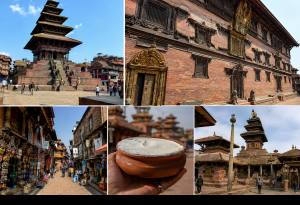
Bhaktapur Durbar Square Day Tour | Complete Travel Guide
Trekking Tips -
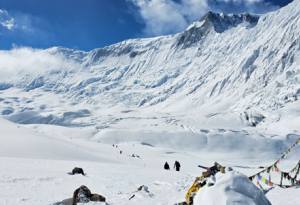
Save The Himalaya
Trekking Tips -
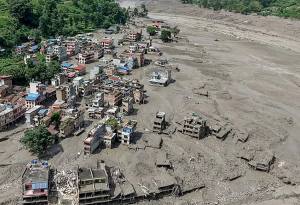
Trekking in Nepal After the Recent Floods | 2026 Safety Guide
Trekking Tips -
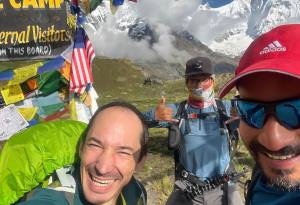
Discover the majestic Annapurna Region: A Trekker's Paradise
Trekking Tips -
Adventures Beyond the Summit: Things to Do on Mount Everest
Trekking Tips
Associated and certified