+977 9868136870 (Shankar) Mail Us | Make an Enquiry
Discover Nepal’s Cultural Heritage: Ancient Cities, Festivals, and Traditions
Nepal is not only a land of towering mountains but also a living museum of human civilization. Its cultural heritage is deeply rooted in centuries-old traditions, sacred architecture, festivals, and ways of life that continue uninterrupted. What makes Nepal’s cultural heritage truly unique is that it is part of everyday life, shaping identity, community, and beliefs across the country.
From ancient palace squares to hidden village rituals, Nepal’s cultural heritage shows a remarkable mix of Hinduism, Buddhism, indigenous practices, and artistic talent that has evolved naturally over thousands of years.
The Historical Foundations of Nepal’s Cultural Heritage
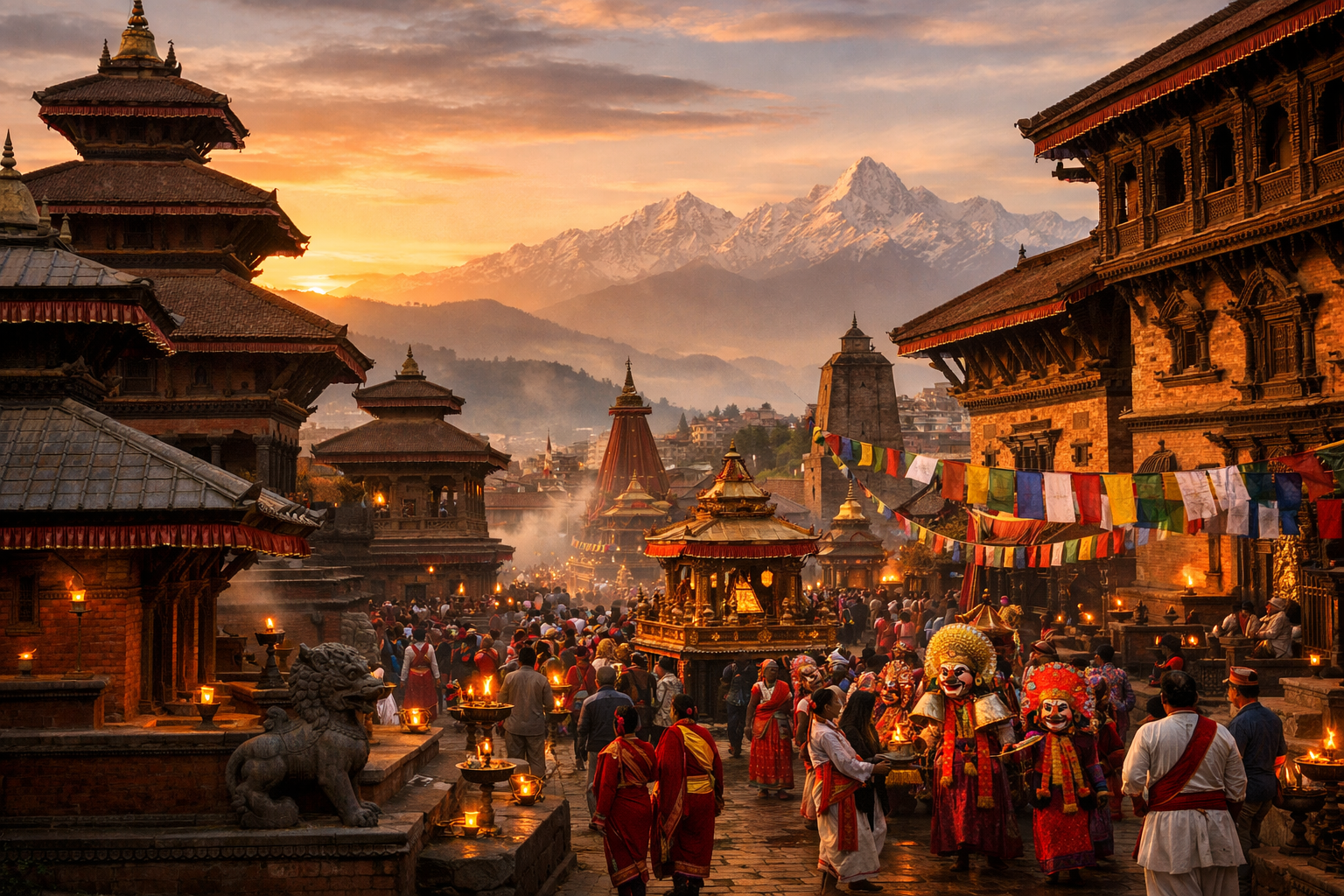
Nepal’s cultural heritage has been influenced by its strategic location between India and Tibet. This position allowed ideas, religions, and artistic influences to flow while still keeping a distinct identity. The Kathmandu Valley became a major center of civilization as early as the Licchavi period and later thrived under the Malla kings. Their support led to the creation of exquisite temples, palaces, and public spaces.
These historical periods did more than create monuments; they built social systems, religious customs, and artistic traditions that still affect Nepali society today. The continuity of these practices makes Nepal’s heritage alive rather than just archived.
Architectural Heritage: Sacred Spaces and Ancient Cities
Nepal’s architectural heritage is most visible in its ancient cities, particularly Kathmandu, Patan, and Bhaktapur. Their Durbar Squares are masterpieces of traditional Newar architecture, featuring pagoda-style temples, intricately carved wooden windows, stone sculptures, and royal courtyards. These spaces were designed for rulers and as communal centers where religious ceremonies, festivals, and civic life took place.
Beyond the valley, heritage sites such as Lumbini, the birthplace of Lord Buddha, and Janakpur, the legendary city of King Janak, add spiritual depth to Nepal’s cultural landscape. Each region reflects its beliefs through architecture that responds to climate, materials, and cultural values, whether in Himalayan monasteries or Tharu homes in the southern plains.
Traditions, Rituals, and Festivals
Nepal’s cultural heritage is filled with rituals and tied to the seasons. Festivals are essential expressions of faith and community. Events like Dashain, Tihar, Indra Jatra, and Buddha Jayanti unite people across generations, reinforcing shared values and collective history.
Daily rituals at household shrines, neighborhood temples, and communal courtyards are also important. These practices keep a continuous connection between people and the sacred, ensuring that traditions are passed down naturally rather than formally taught.
Music, dance, masked performances, and traditional attire further enrich Nepal’s cultural expressions, often linked to specific festivals or life-cycle ceremonies.
Indigenous Cultures and Ethnic Diversity
Nepal is home to over a hundred ethnic groups, each adding unique traditions, languages, and beliefs to the nation’s cultural heritage. From the Sherpa and Tamang communities of the high Himalayas to the Tharu people of the Terai, cultural identity is shaped by geography, livelihood, and history.
These indigenous cultures preserve oral histories, folk music, and rituals that offer insight into Nepal’s social fabric beyond its well-known monuments. Their traditions continue to evolve while maintaining strong ties to ancestral knowledge.
Cultural Heritage as a Living Legacy
What sets Nepal apart is how its heritage continues to be a part of modern life. Traditional craftsmanship like metal casting, wood carving, pottery, and weaving is still practiced using ancestral techniques. Community systems support festivals, temples, and social responsibilities, ensuring continuity despite modernization.
In recent years, there has been a growing awareness of the need to preserve cultural heritage through responsible tourism and community-led initiatives. Travelers are increasingly encouraged to engage respectfully, understanding that Nepal’s heritage is not a display but a shared legacy.
Why Nepal’s Cultural Heritage Matters Today
In a rapidly changing world, Nepal’s cultural heritage offers a rare sense of continuity and authenticity. It shows resilience, adaptability, and a deep respect for tradition while embracing change. For visitors and locals, these cultural elements provide meaning, identity, and a connection to something lasting.
Exploring Nepal's cultural heritage is not just a journey through historic sites; it is an invitation to see how history continues through people, rituals, and everyday moments.
Recent Post
-
Mardi Himal Trek 2026: Complete Guide, Cost & Itinerary
Tourism In Nepal -
A Guide to Responsible Trekking: Leave No Trace in Nepal
Trekking Tips -
Festivals and Cultural Highlights of Nepal – A Celebration of Devotion and Diversity
Tourism In Nepal -
Top 10 Trekking Routes in Nepal for 2025
Trekking Tips -
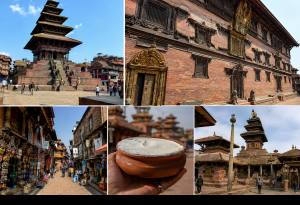
Bhaktapur Durbar Square Day Tour | Complete Travel Guide
Trekking Tips -

Everest Base Camp vs Annapurna Base Camp Trek | Which is Best for You?
Tourism In Nepal -
Trekking in Nepal After the Recent Floods | 2026 Safety Guide
Trekking Tips -
Save The Himalaya
Trekking Tips -
Adventures Beyond the Summit: Things to Do on Mount Everest
Trekking Tips -

Discover the majestic Annapurna Region: A Trekker's Paradise
Trekking Tips
Associated and certified