+977 9868136870 (Shankar) Mail Us | Make an Enquiry
-
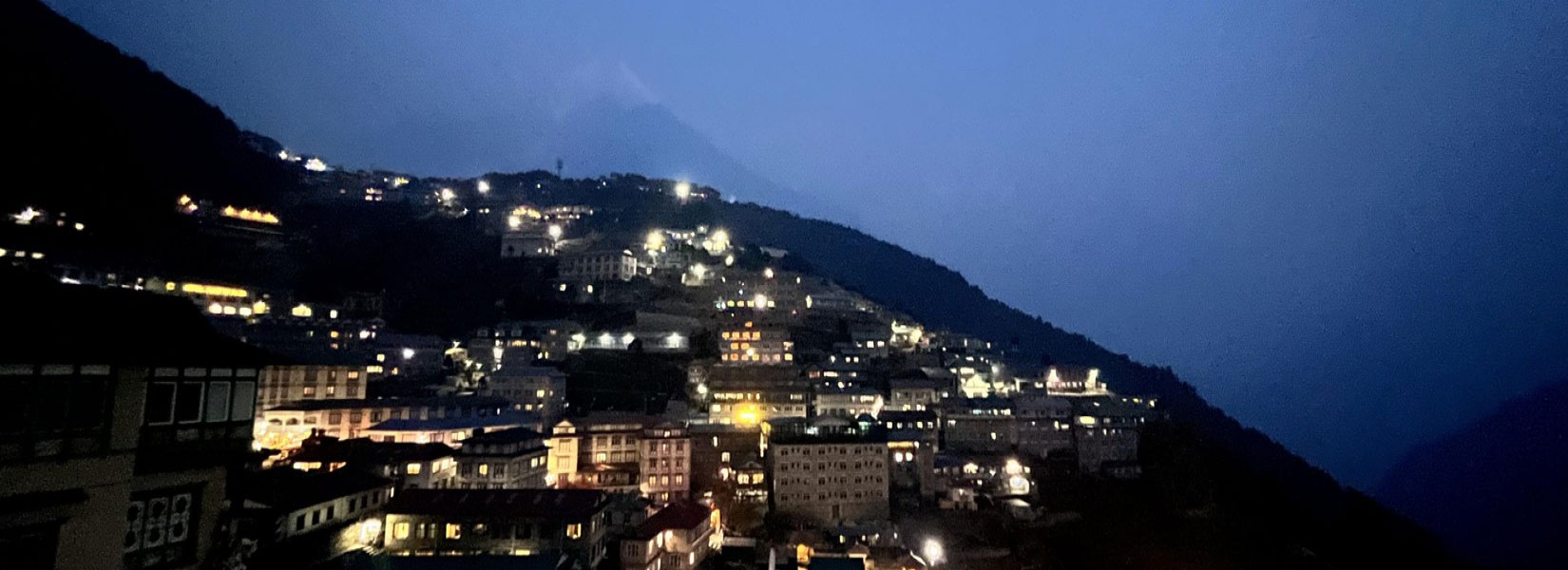 Night View of Namche Bazar
Everest Base Camp Trek 2026: A Complete Guide
If you've ever dreamed of standing at the foot of the world's tallest mountain, the Everest Base Camp Trek is the journey that will make your dream a reality. In 2026, this iconic trek will continue to draw adventure seekers, nature lovers, and those looking for a challenge. It provides a unique chance to explore the stunning beauty of the Nepalese Himalayas. Whether you are an experienced trekker or a first-time adventurer, the Everest Base Camp Trek delivers an experience like no other.
In this comprehensive guide, we will cover every aspect of the trek, including preparation, itinerary, challenges, and highlights. Our aim is to make sure your Everest Base Camp trek in 2026 is safe, successful, and unforgettable.
Overview of the Everest Base Camp Trek

The Everest Base Camp Trek (EBC) takes you through the heart of Nepal's Khumbu Region, where you will encounter towering peaks, lush valleys, and charming Sherpa villages. The trek is both physically challenging and a cultural deep dive into the lives of the Sherpa people, who have lived in this area for centuries.
The main goal of the trek is to reach Everest Base Camp (5,364 meters), which is the starting point for summit attempts on Mount Everest. While the trek does not require technical climbing skills, its high altitude, remote terrain, and long hiking days will test your stamina and determination.
This trek will bring you face-to-face with breathtaking mountain views, peaceful monasteries, vibrant villages, and a rich Sherpa culture. During the journey, you will have the chance to see some of the world's tallest peaks, including Mount Everest, Lhotse, Nuptse, Ama Dablam, and Pumori.
When to Go: Best Seasons for the Everest Base Camp Trek in 2026
The success of your Everest Base Camp trek relies heavily on choosing the right season. The best times to trek are spring (March to May) and autumn (September to November). These seasons provide the clearest skies, pleasant temperatures, and the best views of the Himalayan peaks.
Spring (March to May): This season is popular for trekking due to stable weather and blooming wildflowers, creating a picturesque landscape. The temperatures are mild, and the chances of rain or snow are low.
Autumn (September to November): Another prime season, autumn offers clear skies and cool air, perfect for trekking. The trails are less crowded than in spring, but the views are still amazing. Autumn also marks the end of the monsoon season, making it a great time for trekkers looking for dry conditions.
If you choose to trek in winter or summer, the weather can be unpredictable. Winter brings harsh cold, while summer can bring occasional rain, making the trek more challenging.
What to Expect on the Everest Base Camp Trek

The Everest Base Camp Trek lasts an average of 14 days, though the duration can vary based on your acclimatization schedule and pace. Here’s the breakdown:
Day 1: Arrival in Kathmandu
Your journey starts in Kathmandu, the capital of Nepal. You will have the chance to explore this lively city, known for its ancient temples, UNESCO World Heritage Sites, and rich culture. It is also where you will meet your trekking guide, get your permits, and finalize preparations for the trek.
Day 2: Flight to Lukla and Trek to Phakding
From Kathmandu, you will take an exciting flight to Lukla (2,840 meters), the entry point to the Khumbu region. Once you land in this small town, your trek officially begins. You will hike to Phakding (2,610 meters), a lovely village along the Dudh Koshi River. This relatively easy day helps you adjust to the altitude.
Day 3: Trek to Namche Bazaar
You will trek to Namche Bazaar (3,440 meters), the bustling Sherpa capital and a key trading spot in the region. The trail provides stunning views of Everest’s sister peaks, Lhotse and Ama Dablam. Namche Bazaar is a lively Sherpa village with bakeries, shops, and even an internet café. It's a great place to spend the night and acclimatize.
Day 4-5: Acclimatization Day at Namche Bazaar
To assist with altitude acclimatization, you will spend an extra day in Namche. You can hike to the Everest View Hotel for panoramic views of Everest, Lhotse, and other peaks. Namche Bazaar also offers great cafes, markets, and a small museum dedicated to Sherpa culture.
Day 6: Trek to Tengboche
After Namche, the trail climbs up to Tengboche (3,860 meters), home to the famous Tengboche Monastery. This sacred Buddhist site offers breathtaking views of Everest, Lhotse, and Ama Dablam. You may even see a traditional Sherpa ceremony if you arrive at the right time.
Day 7-8: Trek to Dingboche
As you climb higher, the landscape changes dramatically, featuring alpine meadows, barren hills, and small stone villages. You will arrive at Dingboche (4,410 meters), where you have another acclimatization day. Here, you can explore the area and enjoy views of Ama Dablam.
Day 9-10: Trek to Lobuche
The trail continues to Lobuche (4,940 meters), passing through Dughla (4,620 meters), where a memorial for fallen climbers is located. The path becomes more rugged as you enter the high-altitude zone, and the air grows thinner. Lobuche is a small village but serves as a good rest stop before the final push to base camp.
Day 11: Trek to Everest Base Camp
You will reach your goal: Everest Base Camp (5,364 meters)! The trail is often covered in snow, and the last part is challenging, but standing at the foot of the world’s tallest peak is one of the most rewarding moments of your life. You will also see the Khumbu Icefall, which is the gateway to Everest for climbers.
Day 12: Hike to Kala Patthar
The next morning, you will hike to Kala Patthar (5,545 meters), the best viewpoint for a close look at Mount Everest. At sunrise, the views of Everest and the surrounding peaks are simply breathtaking. The climb is tough, but the reward is worth every step.
Day 13-14: Descend to Lukla
The final days are spent descending back to Lukla, following the same path through the Khumbu Valley. Although the return trek is quicker, it’s still a beautiful journey. Once you reach Lukla, you will fly back to Kathmandu, marking the end of your Everest Base Camp Trek.
Typically it ia a 14 days Trek However We, Ascent Holidays Pvt. Ltd provide you with the flexibility to customize the itinerary according to your needs.
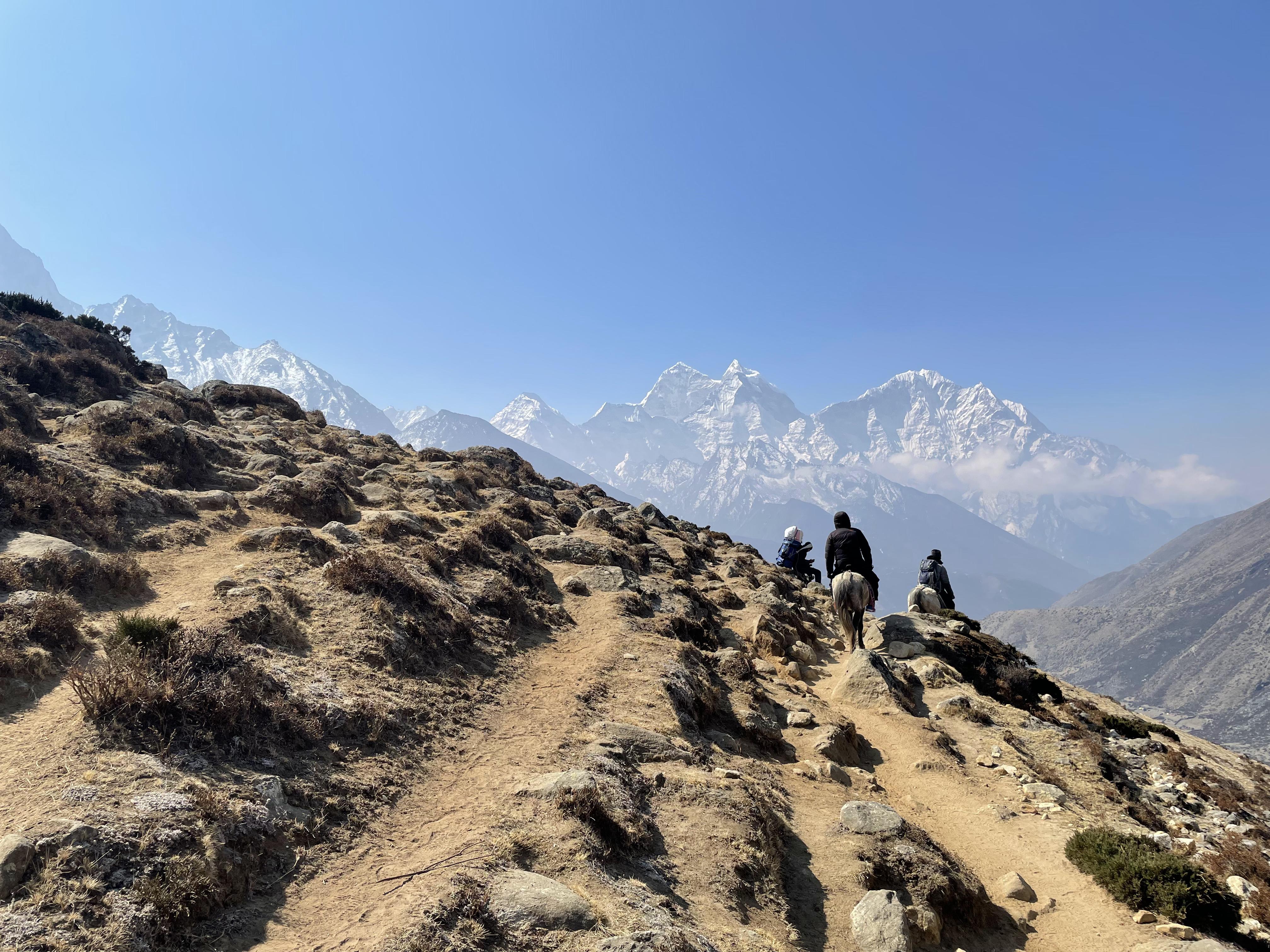
Physical Preparation for the Everest Base Camp Trek
Although the Everest Base Camp Trek does not require technical climbing skills, it is still physically demanding. The high altitude, long days of hiking, and unpredictable weather can test your endurance. To prepare:
- Cardiovascular Training: Engage in activities like hiking, running, cycling, or swimming to build endurance.
- Strength Training: Work on building leg strength through squats, lunges, and step-ups, as the terrain is often steep.
- Hiking Practice: If possible, go on practice hikes with a loaded backpack to simulate trek conditions.
- Acclimatization: This is key to avoiding altitude sickness. Make sure to follow a slow and steady ascent, allowing your body time to adjust.
Packing List for the Everest Base Camp Trek
Proper packing is crucial for a comfortable and safe trek. Here's what you will need:
- Clothing: Base layers, trekking pants, down jacket, fleece jacket, windproof and waterproof jacket, gloves, hat, trekking boots, and warm socks.
- Trekking Gear: Backpack, trekking poles, sleeping bag, headlamp, water bottles, and a first aid kit.
- Documents: Passport, Nepal trekking permit, and travel insurance.
- Extras: Camera, power bank, snacks, and personal hygiene items.
Safety and Travel Tips
- Stay Hydrated: Drink plenty of water to avoid dehydration and reduce the risk of altitude sickness.
- Listen to Your Guide: Your guide will monitor your progress, offer advice on acclimatization, and ensure your safety.
- Take It Slow: Avoid rushing the trek. The slower you go, the more time your body has to acclimatize.
- Insurance: Make sure you have travel insurance that covers trekking at high altitudes.
The Everest Base Camp Trek 2026 Experience The Everest Base Camp Trek 2026 provides the ultimate adventure for trekkers wanting to experience the beauty of the Himalayas. From the challenges of the high-altitude terrain to the stunning views of Mount Everest and surrounding peaks, this trek promises a once-in-a-lifetime experience.
Whether you are drawn by the magnificent landscapes, the rich Sherpa culture, or the thrill of reaching Everest's base, the Everest Base Camp Trek guarantees unforgettable memories.
Recent Post
-

Festivals and Cultural Highlights of Nepal – A Celebration of Devotion and Diversity
Tourism In Nepal -
A Guide to Responsible Trekking: Leave No Trace in Nepal
Trekking Tips -
Top 10 Trekking Routes in Nepal for 2025
Trekking Tips -
Mardi Himal Trek 2026: Complete Guide, Cost & Itinerary
Tourism In Nepal -
Everest Base Camp vs Annapurna Base Camp Trek | Which is Best for You?
Tourism In Nepal -
Bhaktapur Durbar Square Day Tour | Complete Travel Guide
Trekking Tips -
Save The Himalaya
Trekking Tips -
Trekking in Nepal After the Recent Floods | 2026 Safety Guide
Trekking Tips -
Discover the majestic Annapurna Region: A Trekker's Paradise
Trekking Tips -
Adventures Beyond the Summit: Things to Do on Mount Everest
Trekking Tips
Associated and certified