+977 9868136870 (Shankar) Mail Us | Make an Enquiry
Is Nepal Expensive to Travel in 2026? Cost Breakdown for Travelers
For many travelers planning their next adventure, one question keeps coming up: Is Nepal expensive to visit? In 2026, with rising global travel costs, shifting flight prices, and changing tourism trends, it’s a valid concern—especially for first-time visitors heading to the Himalayas.
The short answer is no; Nepal is not expensive compared to most international destinations. However, the full answer depends on how you travel. Nepal is one of the few countries where backpackers, mid-range travelers, and luxury seekers can find experiences that fit their budget—often at a better value than in many other places in Asia.
This guide explains the actual cost of traveling in Nepal in 2026. It covers accommodation, food, transport, trekking expenses, and hidden costs, so you can plan confidently and avoid surprises.
Nepal Travel Costs in 2026: Big Picture
Compared to places like Japan, Europe, Australia, or parts of Southeast Asia, Nepal still offers great value. Daily expenses are low, services are flexible, and travelers can easily control costs by choosing local options.
What has changed in 2026 is not affordability but variety. Nepal now caters more clearly to different travel styles:
- Budget travelers can still travel comfortably on a modest daily budget.
- Mid-range travelers enjoy excellent comfort for reasonable prices.
- Luxury travelers experience world-class mountain adventures at a fraction of Western prices.
Inflation has slightly raised prices since 2024, but not enough to make Nepal “expensive” by global standards.
Flights to Nepal: The Biggest Variable
For most international travelers, flights are the biggest expense on a trip to Nepal.
- Long-haul flights from Europe, North America, or Australia often cost more than the whole stay in Nepal.
- Prices vary significantly depending on the season, airline, and when you book.
Once you arrive in Kathmandu, though, daily expenses drop sharply. Domestic flights—to Pokhara, Lukla, or Bharatpur—have slightly increased in price due to fuel and safety regulations, but they still save days of travel time.
For budget travelers, buses and tourist coaches remain very affordable and reliable.
Accommodation Costs: From Budget to Luxury
Accommodation in Nepal is one of the main reasons it stays affordable.
Budget travelers can find clean guesthouses, hostels, and family-run lodges in Kathmandu and Pokhara at very reasonable prices. These often include Wi-Fi, hot showers, and friendly service. Mid-range hotels offer excellent value in 2026. Comfortable rooms, good locations, breakfast, and mountain views are widely available at what many would consider budget prices in other countries.
Luxury hotels and resorts in Nepal—especially in Kathmandu, Pokhara, and Chitwan—provide high-end experiences at a fraction of what similar places cost in Europe or the US. Boutique heritage hotels and eco-luxury mountain lodges are particularly popular.
During trekking, accommodation costs are generally set by region. Tea houses remain affordable, offering simple but cozy rooms, especially given their remote locations in the Himalayas.
Food & Daily Expenses: Surprisingly Affordable
Food in Nepal is both cheap and filling. Local meals like dal bhat, momos, noodles, and Tibetan bread are hearty and cost very little. Even in trekking areas, meals are reasonably priced, considering how supplies are transported to high altitudes.
Tourist areas offer a broad range of international cuisine—Italian, Indian, Korean, Japanese, and Western comfort food. Prices are higher than local meals but still reasonable. Daily essentials like bottled water, snacks, coffee, and SIM cards are inexpensive, although costs increase slightly in remote trekking areas due to transportation.
Transportation Within Nepal
Getting around Nepal is still budget-friendly in 2026.
- Local buses and microbuses are very cheap.
- Tourist buses between major cities provide comfort at low costs.
- Taxis and ride-hailing apps stay affordable for short trips.
Private vehicles with drivers are a popular choice for groups and families, offering flexibility at reasonable rates.
Road conditions are improving, but travel times can still be long due to challenging terrain—something to consider in your planning, rather than your budget.
Trekking Costs: What Most Travelers Really Want to Know
Trekking is often the highlight of a trip to Nepal, and costs vary by route and travel style.
Permits and Entry Fees
Popular treks like Everest Base Camp, Annapurna Circuit, and Langtang require permits. These fees are standardized and transparent, supporting conservation and local communities.
Guides and Porters
Hiring a guide or porter is no longer just a recommendation—it’s increasingly considered responsible travel. Costs have slightly risen in 2026 to ensure fair wages and insurance, but they remain affordable and add great value to safety, cultural insight, and enjoyment.
Accommodation and Meals on Trek
Tea house trekking keeps costs reasonable. Rooms are inexpensive, while food prices gradually increase at higher altitudes due to supply challenges.
Overall Trekking Value
When you consider that you’re walking among the world’s highest mountains, supported by local communities, trekking in Nepal still offers exceptional value compared to guided hikes elsewhere.
Cost Differences by Region
Costs in Nepal vary by region:
- Kathmandu has the broadest price range, from budget hostels to luxury hotels.
- Pokhara is slightly cheaper and is very traveler-friendly.
- Popular trekking areas have standard but fair pricing.
- Remote or restricted places are more costly due to permits and logistics.
This variety allows travelers to balance their budgets by mixing destinations.
Budget vs Comfort vs Luxury Travel in Nepal
A key reason Nepal appeals to a wide range of travelers is how clearly it supports different styles. Budget travelers can explore Nepal deeply without feeling limited. Mid-range travelers often find they get great value for their money. Luxury travelers are frequently surprised by the personalized service, scenery, and exclusivity they receive for the price.
In 2026, traveling in Nepal isn’t about how much you spend—it’s about how intentionally you travel.
Hidden Costs Travelers Often Miss
While Nepal is affordable, some costs are easy to overlook:
- Travel insurance for trekking and high altitudes.
- Hot showers, charging devices, and Wi-Fi in trekking lodges.
- Tips for guides and porters.
- Gear rental or last-minute purchases in Kathmandu or Pokhara.
These aren’t expensive on their own, but planning for them helps avoid stress later.
Smart Ways to Save Money in Nepal
Traveling smart in Nepal doesn’t mean cutting corners; it means making informed choices.
- Eat local food whenever you can.
- Travel in shoulder seasons for better deals.
- Book treks with transparent local operators.
- Avoid unnecessary domestic flights when you can.
- Rent trekking gear instead of buying it.
Most importantly, spending money locally often leads to better experiences and greater value.
So, Is Nepal Expensive to Travel in 2026?
Realistically? No. Nepal remains one of the best value travel destinations in the world.
While prices have increased slightly, the overall experience—Himalayan landscapes, cultural richness, warm hospitality, and adventure opportunities—offers unmatched returns for your spending.
Whether you're a backpacker watching every dollar, a couple looking for comfort, or a traveler seeking unforgettable mountain experiences, Nepal in 2026 is still affordable, flexible, and hugely rewarding. For those who value experience over extravagance, Nepal is not expensive—it’s priceless.
Recent Post
-
Mardi Himal Trek 2026: Complete Guide, Cost & Itinerary
Tourism In Nepal -
Festivals and Cultural Highlights of Nepal – A Celebration of Devotion and Diversity
Tourism In Nepal -
A Guide to Responsible Trekking: Leave No Trace in Nepal
Trekking Tips -
Top 10 Trekking Routes in Nepal for 2025
Trekking Tips -
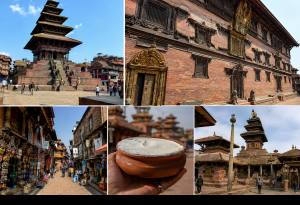
Bhaktapur Durbar Square Day Tour | Complete Travel Guide
Trekking Tips -
Everest Base Camp vs Annapurna Base Camp Trek | Which is Best for You?
Tourism In Nepal -
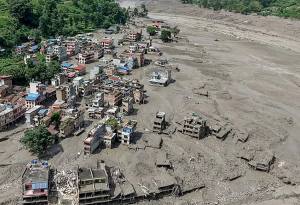
Trekking in Nepal After the Recent Floods | 2026 Safety Guide
Trekking Tips -
Save The Himalaya
Trekking Tips -
Adventures Beyond the Summit: Things to Do on Mount Everest
Trekking Tips -
Discover the majestic Annapurna Region: A Trekker's Paradise
Trekking Tips
Associated and certified