+977 9868136870 (Shankar) Mail Us | Make an Enquiry
Is Nepal Safe to Travel in 2026? A Complete Safety Guide for Travelers
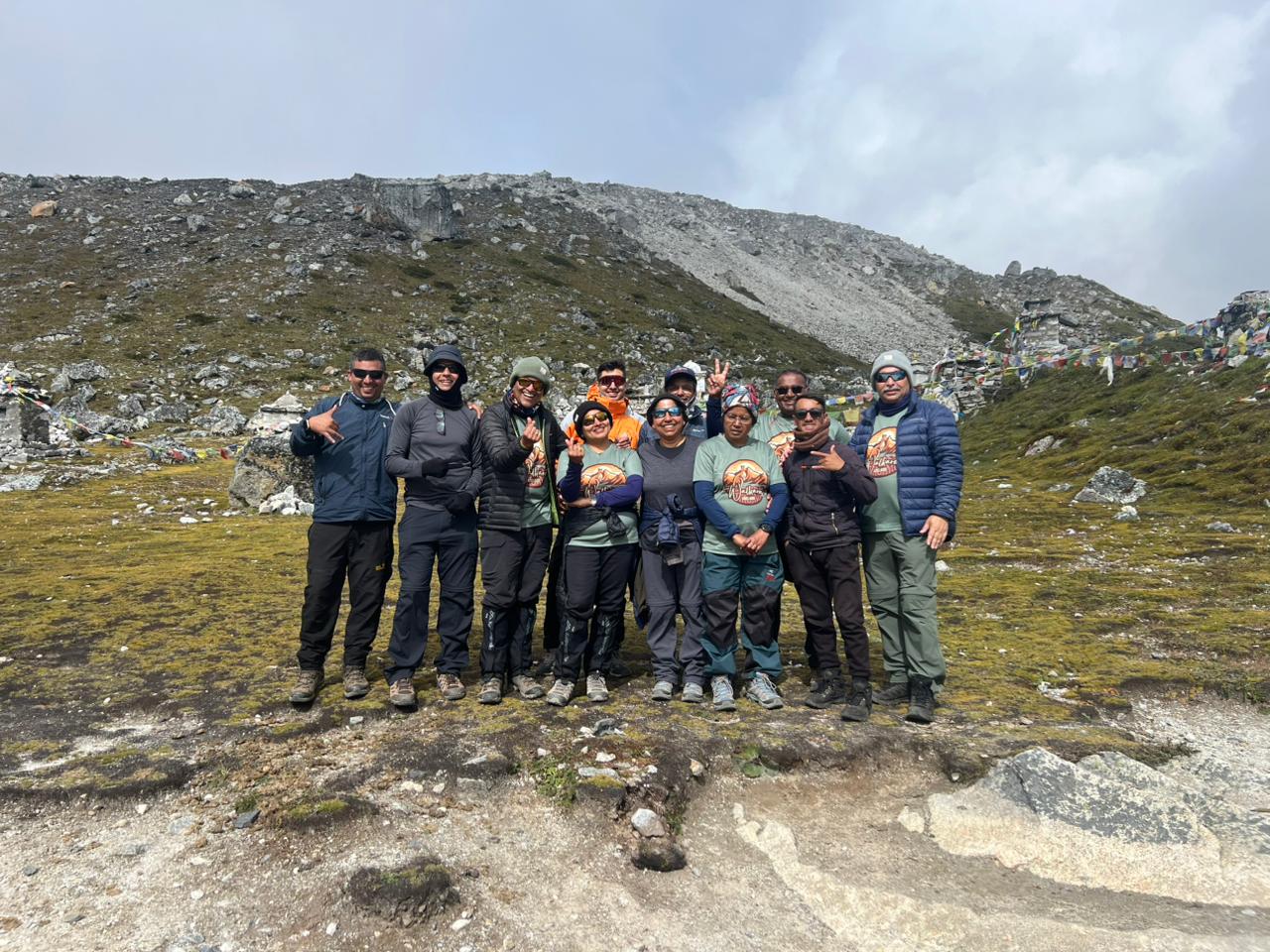 Travel safety is one of the top concerns people have when planning a trip to a new country. If Nepal is on your list for 2026—whether for trekking in the Himalayas, cultural exploration, wildlife safaris, or spiritual retreats—you might be asking the practical question: Is Nepal safe to travel in 2026?
The short answer is yes. Nepal is one of South Asia’s safer and friendlier destinations for international travelers. However, like any developing mountain nation with tricky terrain and changing infrastructure, safety in Nepal depends on awareness, preparation, and realistic expectations. This guide gives a balanced overview of travel safety in Nepal in 2026, covering political stability, trekking risks, health systems, solo travel, scams, transport reliability, and cultural awareness.
Political Stability and General Safety Environment in 2026
Nepal has experienced major political changes over the past two decades. Recently, the country has maintained relative stability. In major tourist hubs like Kathmandu and Pokhara, daily life runs normally, and tourism remains a crucial part of the economy.
Occasional protests and political demonstrations can happen, as they do in many democracies. These are often localized and rarely affect tourists. Visitors should monitor local news and avoid large gatherings if they occur. For the typical traveler moving between hotels, heritage sites, trekking starting points, and airports, political instability is not likely to disrupt the trip.
Petty crime exists, especially in crowded areas, but violent crime against tourists is still relatively low. Basic precautions—such as keeping valuables secure and avoiding poorly lit areas at night—are enough in most situations.
Trekking Safety in Nepal: What Travelers Should Know
For many visitors, trekking is the highlight of their trip to Nepal. Regions like the Annapurna Circuit, Everest Base Camp, and Langtang Valley attract thousands of hikers each year. While these routes are well-established and supported by local infrastructure, mountain travel always involves inherent risks.
The main concern is altitude sickness. Acute Mountain Sickness (AMS) can affect anyone, regardless of age or fitness level. Proper acclimatization, gradual ascent, hydration, and listening to your body are crucial. In 2026, awareness of altitude safety is stronger than ever, and most reliable trekking agencies follow structured acclimatization schedules.
Unpredictable weather is another factor. Conditions can change quickly in high-altitude areas, especially during the shoulder seasons. Choosing an experienced guide, checking forecasts, and avoiding overly ambitious itineraries can significantly reduce risk.
Recent regulatory changes have also stressed the need for licensed guides in certain areas. This improves both safety and navigation reliability. While independent trekking was once common, the growing preference for guided treks reflects a stronger safety culture in Nepal’s tourism sector.
Overall, trekking safety in Nepal in 2026 is high when travelers follow professional guidance and don’t cut corners.
Natural Risks: Earthquakes, Monsoons, and Landslides
Nepal sits in a seismically active zone. The 2015 earthquake was a significant event in the country’s history. Since then, standards for reconstruction have improved greatly, especially in cities and major trekking routes.
While earthquakes can’t be predicted, severe seismic events are rare. Travelers should familiarize themselves with basic earthquake safety procedures, just as they would in other tectonically active regions.
The monsoon season, which typically runs from June to September, brings different risks. Heavy rain can trigger landslides, particularly on rural roads and in mountainous regions. Trekking during peak monsoon requires extra caution and flexibility. In contrast, autumn and spring are the safest and most stable trekking seasons.
Winter travel is usually safe but may involve icy trails and limited access in higher elevations. Understanding seasonal dynamics is key for realistic planning.
Health Infrastructure and Medical Facilities
Health and hygiene standards in Nepal have slowly improved, especially in private hospitals and urban clinics. In Kathmandu, several reputable private hospitals offer quality emergency care. Pokhara also has reliable medical facilities, particularly for trekking-related injuries.
Remote mountain areas have limited medical infrastructure. Helicopter evacuation services are available and frequently used for altitude-related emergencies. Comprehensive travel insurance that covers high-altitude trekking and emergency evacuation is essential, not optional.
Water safety is important. It’s best to drink bottled or properly filtered water. Food hygiene in reputable restaurants is generally safe, but be cautious with street food.
In summary, urban health access is adequate for most situations, but being prepared is crucial when venturing into remote areas.
Solo Travel and Female Traveler Safety
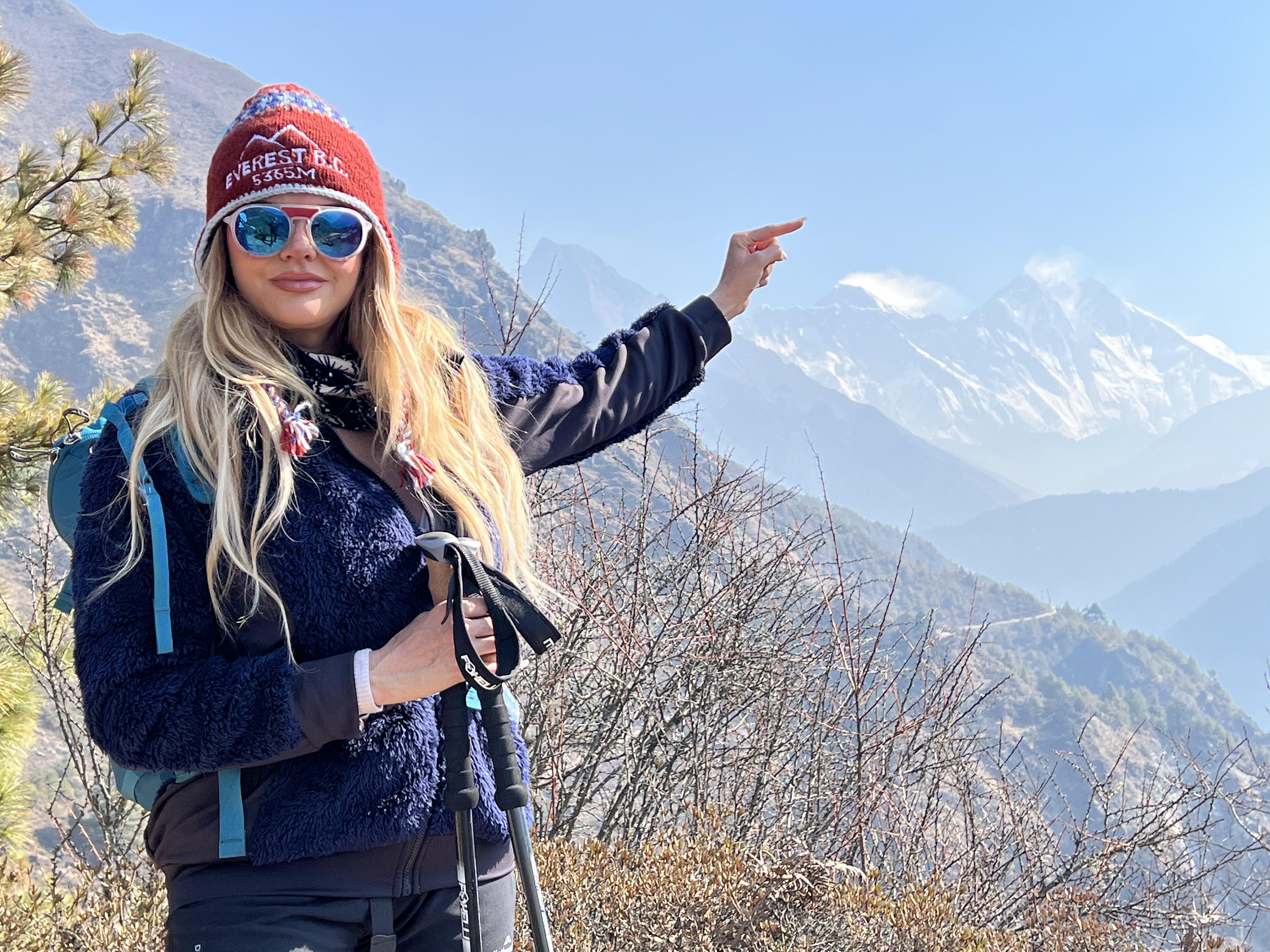
Solo travel in Nepal continues to grow in 2026. The country is known for being friendly, and local communities are used to foreign visitors.
Female travelers often report feeling safe in major tourist areas and trekking routes. The level of harassment is relatively low compared to other destinations worldwide, though some unwanted attention can occur. Dressing modestly, especially outside tourist areas, and staying aware of your surroundings are sensible practices.
For solo trekkers, joining small guided groups can enhance both safety and social experience. Tea house trekking culture fosters a supportive environment, where travelers often look out for one another.
Nepal’s cultural emphasis on hospitality works to the advantage of solo visitors, as long as they follow common-sense precautions.
Common Travel Scams and How to Avoid Them
While Nepal isn’t known for widespread tourist-targeted crime, minor scams do occur. Taxi drivers might quote inflated prices if meters aren’t used. Agreeing on a fare beforehand or using ride apps where available helps avoid disputes.
Unlicensed trekking agents sometimes offer unusually low prices that end up with hidden fees or poor service quality. Booking through registered agencies with clear pricing protects both safety and experience.
Occasional overcharging in souvenir markets can happen, but polite negotiation is acceptable. These issues are manageable and rarely escalate beyond inconvenience.
Transportation Safety: Flights, Roads, and Buses
Domestic flights connect mountain airstrips with remote regions. Weather conditions sometimes cause delays or cancellations, particularly for routes to Everest region gateways. While Nepal’s aviation safety record has faced scrutiny in the past, oversight and regulatory standards continue to improve.
Road travel can seem chaotic to first-time visitors. Mountain highways are narrow and winding, and driving standards can vary. Tourist buses are generally safer and more reliable than local buses. For long distances, selecting reputable operators reduces risk.
City traffic congestion is common, but serious road crime is rare. Pedestrians should be cautious when crossing streets.
Cultural Awareness and Respect
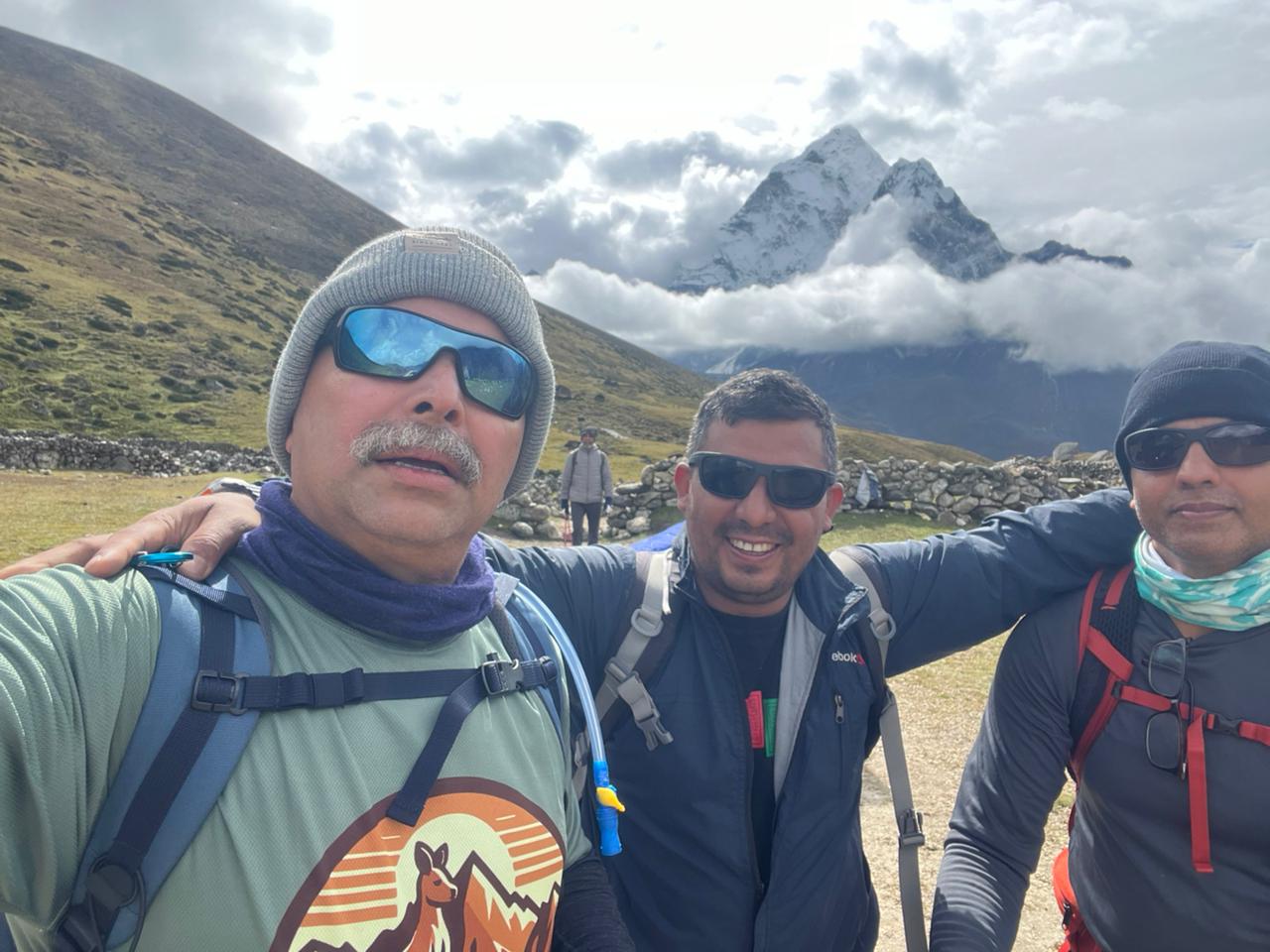
Many safety misunderstandings arise from cultural differences rather than real danger. Nepal is culturally conservative in rural areas. Public displays of affection, revealing clothing in temples, or disrespectful photography of religious rituals can create tension.
Respecting local customs—like taking off shoes before entering temples, walking clockwise around stupas, and asking before photographing people—greatly helps maintain positive interactions.
Cultural sensitivity is not just polite; it also makes for a safer and smoother travel experience.
Perceived Risk vs. Reality
International media coverage can exaggerate rare incidents or natural disasters, leading to perceptions that do not reflect everyday reality. In practice, millions of tourists visit Nepal safely each year for trekking, cultural exploration, and adventure sports.
The biggest risks travelers face are environmental—altitude, terrain, and weather—not crime or political instability. When managed properly, these risks are predictable and manageable.
Travel safety in Nepal in 2026 is more about smart planning than avoiding danger.
Practical Safety Mindset for 2026 Travelers
Preparation is the key difference between a stressful trip and a memorable one. Monitoring weather conditions, securing thorough insurance, booking certified guides for high-altitude treks, and keeping realistic expectations can handle most concerns.
Staying informed without being alarmist is vital. Nepal is not a risk-free destination, but it isn’t inherently dangerous either. It is a developing Himalayan country that rewards thoughtful, respectful travelers.
Is Nepal Safe to Travel in 2026?
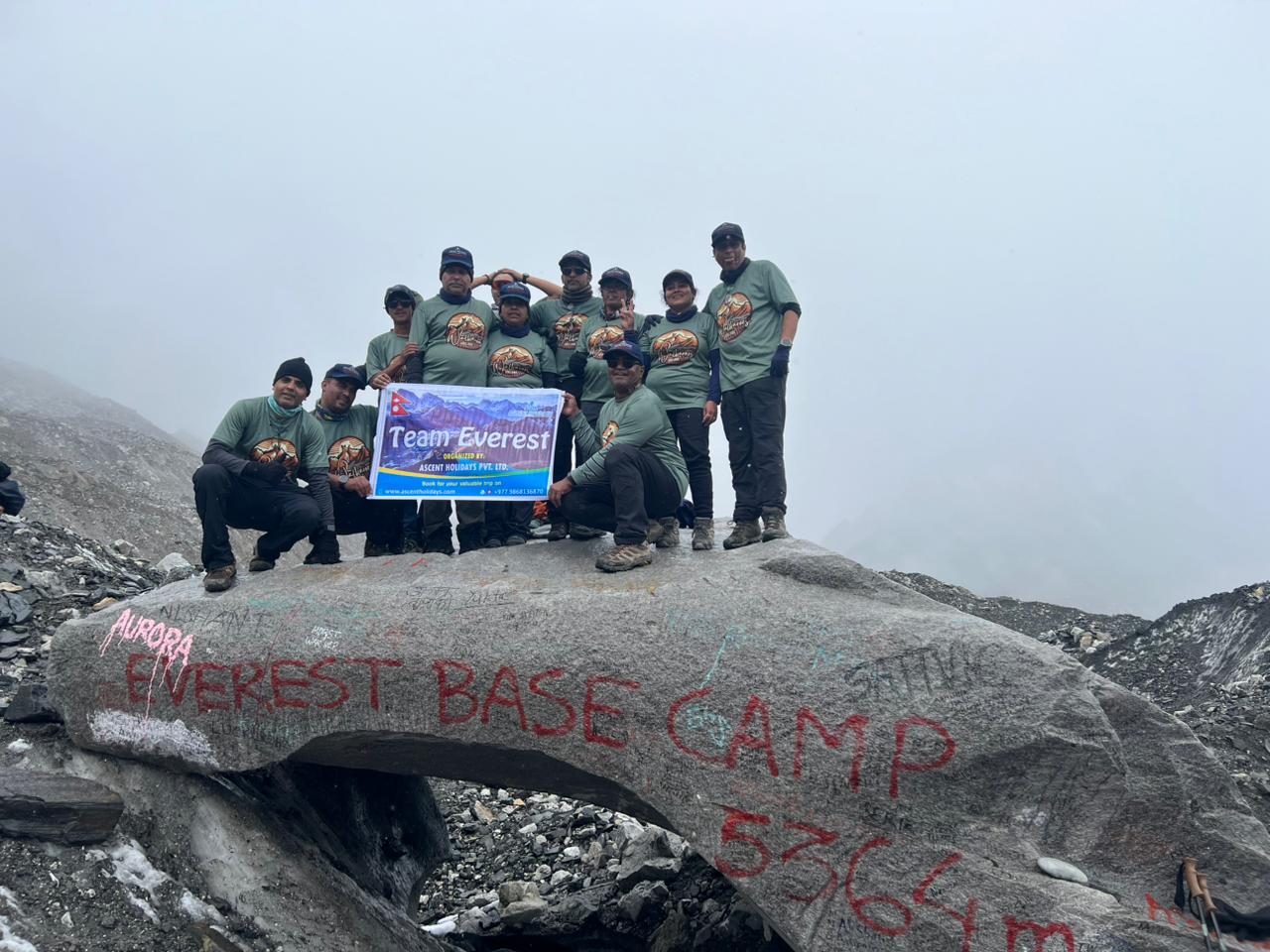 Yes, Nepal is safe to visit in 2026 for most travelers. The country is politically stable, culturally welcoming, and heavily relies on tourism. Urban areas are typically secure, trekking routes are well-structured and supported, and emergency systems—though not perfect—are functional and accessible with proper insurance.
The main risks involve altitude, weather changes, and transportation infrastructure rather than crime or unrest. With responsible planning and cultural awareness, Nepal offers not just safety but one of the most rewarding travel experiences in Asia.
For trekkers, backpackers, families, and solo adventurers alike, Nepal in 2026 remains a destination best known for its hospitality and stunning Himalayan scenery, not its dangers.
Recent Post
-
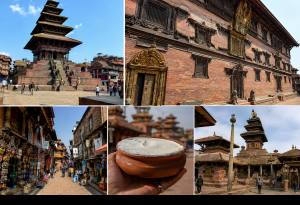
Bhaktapur Durbar Square Day Tour | Complete Travel Guide
Trekking Tips -
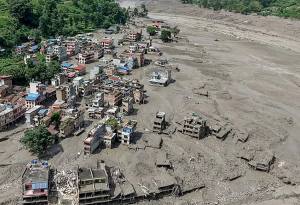
Trekking in Nepal After the Recent Floods | 2026 Safety Guide
Trekking Tips -
Festivals and Cultural Highlights of Nepal – A Celebration of Devotion and Diversity
Tourism In Nepal -
A Guide to Responsible Trekking: Leave No Trace in Nepal
Trekking Tips -
Top 10 Trekking Routes in Nepal for 2025
Trekking Tips -
Everest Base Camp vs Annapurna Base Camp Trek | Which is Best for You?
Tourism In Nepal -
Save The Himalaya
Trekking Tips -
Adventures Beyond the Summit: Things to Do on Mount Everest
Trekking Tips -
Discover the majestic Annapurna Region: A Trekker's Paradise
Trekking Tips -
Trek To Everest Region
Trekking Tips
Associated and certified