+977 9868136870 (Shankar) Mail Us | Make an Enquiry
Is Nepal Safe to Visit After Floods? 2026 Travel Update
Is Nepal Safe to Visit After the Recent Floods? 2026 Travel Update
.jpg)
Nepal has always attracted travelers seeking to explore its mountains, trek routes and cultural sites as well as to experience the warm hospitality of its people. But those planning a September, October, November or later 2026 trip now face an important question: Has Nepal been affected by the recent floods?
The quick answer is that Nepal has not been universally affected. While certain areas have been significantly impacted and should be avoided, many of the popular trekking and tourist destinations in Nepal remain unaffected and accessible.
It is therefore important for those planning a 2026 Nepal visit to understand the impact by destination, rather than to assume that the entirety of Nepal has been impacted.
What Happened in Nepal?
On August 26, 2026, severe flooding impacted part of northern Nepal, particularly the Rasuwa district and the surrounding Bhote Koshi and Trishuli river corridors. This flooding caused significant damage to roads, bridges, buildings and communication infrastructure in the area.
The area of Rasuwa close to the Nepal-China border was particularly impacted and rescue and rebuilding efforts for both people and infrastructure continue.
Other districts, including parts of Gorkha, Nuwakot and Dhading, were also impacted as mountainous terrain can continue to present risks following flooding.
However, it is important not to conflate a localized disaster with one affecting the country as a whole.
Is Nepal Safe to Visit Now?
Nepal continues to welcome international visitors, but with a more nuanced approach to the areas which have been impacted.
The US State Department currently advises travelers to exercise increased caution in Nepal due to natural disaster risks, and specifically advises against travel to the Rasuwagadhi-Timure-Syafrubesi area of Rasuwa which has been impacted by flood damage, infrastructure damage, rebuilding efforts and potential risks of further flooding and landslides.
The UK government similarly advises caution for the affected areas of Rasuwa and the Nepal-China border with the note that flood and landslide-impacted areas may be unstable.
This means that the question is not so much "is Nepal safe?"
But rather, "is the destination I want to visit currently safe?"
Which Areas Were Most Affected?
The areas most significantly impacted were those in the Rasuwa and Bhote Koshi-Trishuli corridor, particularly near the Nepal-China border.
The Langtang region and Syabrubesi approaches were also impacted by the road disruption in the area.
Visitors to these areas in particular should check current conditions before planning visits, as the impact of the disaster can affect the safety of trekking routes and the stability of roads for a prolonged period of time.
It is important to remember that the affected areas should not be treated as unaffected destinations.
What About Everest and Annapurna?

A common question among international trekkers is whether the popular trekking regions of Everest and Annapurna have been closed due to the recent disaster.
The recent flooding has not impacted all trekking regions and each should be considered on a case-by-case basis. Everest and Annapurna lie in different parts of Nepal and use different access points from the flooded Rasuwa corridor.
Currently, several popular trekking destinations in Nepal remain unaffected and should not be considered automatically closed as reports continue to indicate that several trekking areas remain unaffected by the disaster.
The Nepal Tourism Board has also taken a route-specific approach to announcing the reopening of trekking routes following the recent disaster.
For example, the Manaslu trekking route in Gorkha was reopened after damaged trail and bridge structures were repaired and restored to trekking conditions, according to the Nepal Tourism Board on September 11.
This illustrates an important principle for international trekkers considering a 2026 visit to Nepal: consider the conditions of your specific trekking route.
Is Autumn 2026 Trekking Still Possible?
Autumn is one of the most popular trekking seasons in Nepal due to the typically improved trekking conditions following the monsoon season.
The recent disaster adds to the uncertainty for those considering trekking, but it should not derail autumn 2026 trekking plans entirely.
Some of the most important tips for those considering an autumn 2026 trek include:
- Checking current conditions for your destination.
- Making sure the specific trekking route you wish to take is open for travel.
- Using a registered trekking agency or local guide.
- Allowing extra time for transportation.
- Having a flexible itinerary.
- Following local and official directions.
- Avoiding river corridors and unstable slopes impacted by the recent flooding.
The impact of the disaster can vary substantially by region and an itinerary that works for one trekking route may not be suitable for another.
What Travelers Should Know About Roads in Nepal
The stability of roads in Nepal should be given particular consideration following the recent flooding.
Nepal's mountainous roadways are subject to landslides, falling rocks, damaged bridges, and further impacts from continued rain.
A road that is clear one day may be impacted the next, particularly for travelers heading to remote trekking trailheads.
A more conservative approach to connecting remote trailheads via road or domestic flight can alleviate stress for those whose travel plans have been impacted by localized disaster.
Travelers should avoid the temptation to enter restricted or damaged areas simply because they appear to be accessible.
What About Kathmandu and Pokhara?
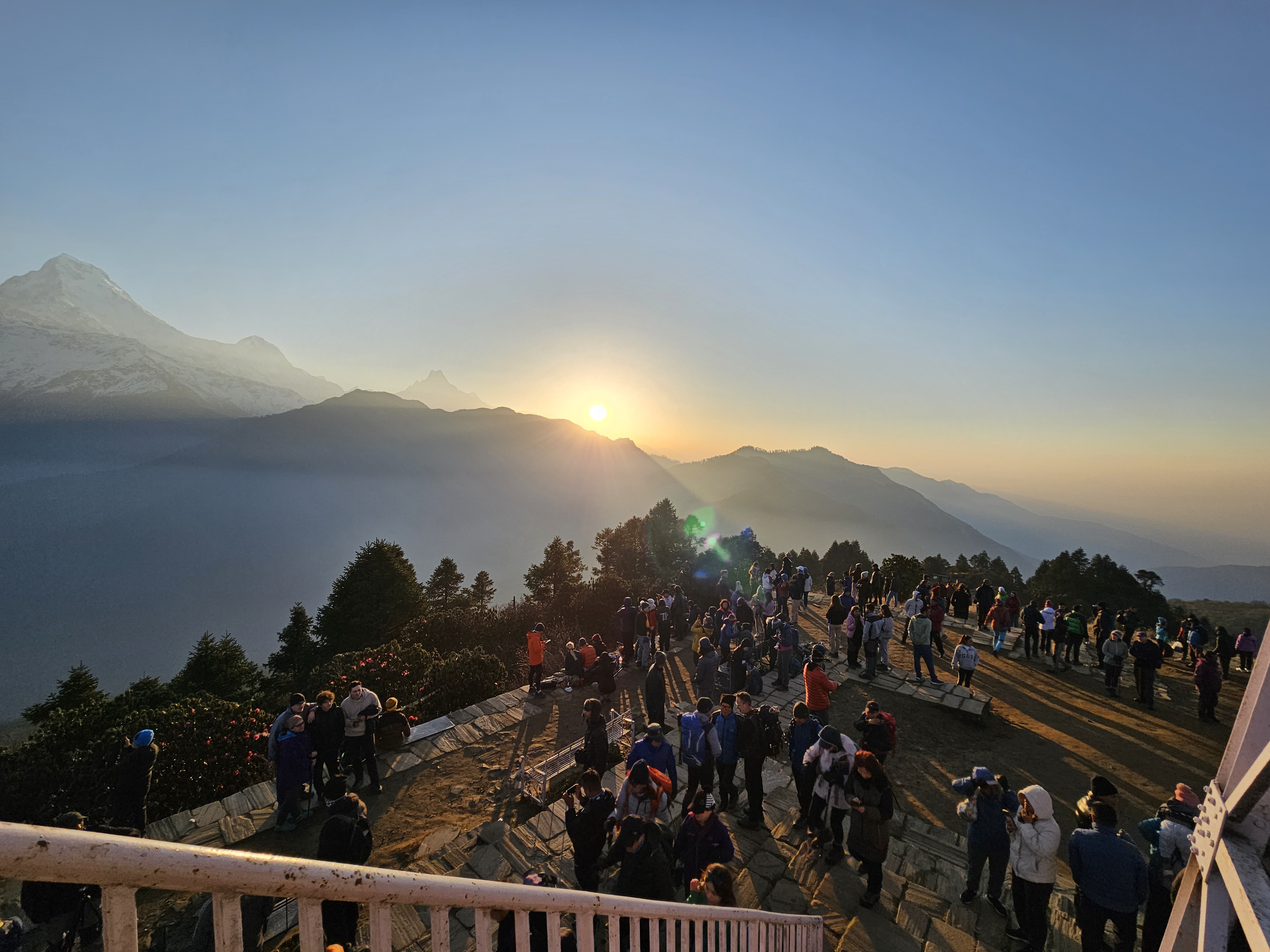
Kathmandu and Pokhara continue to play a large role as entry points and destinations for international visitors to Nepal. The recent disaster primarily impacted particular northern and central corridors rather than affecting the entire country.
For travelers visiting Kathmandu, Pokhara, Chitwan or other destinations not directly impacted by the disaster, the conditions are fundamentally different to those of the severely impacted Rasuwa corridor.
That said, weather can impact road and domestic flight conditions and it is wise to research current conditions for these connections prior to any domestic travel.
How Can You Travel More Safely in Nepal in 2026?
Traveling in Nepal following a major disaster does not mean ignoring the risks but rather planning carefully.
1. Check the route, not the country
It is important to consider the current conditions of your intended destination and route rather than assuming that the entire country has been impacted by the recent disaster.
2. Follow official updates
Conditions can change quickly in mountainous terrain. Travelers should keep up to date with the latest information relevant to their specific trekking or driving routes from the Nepal Tourism Board, local authorities, weather services and trekking operators.
3. Avoid disaster-affected areas
Avoid visiting areas impacted by the disaster, such as bridges, slopes or roads that have been closed or restricted.
4. Travel with experienced local support
For trekking, an experienced local guide and a registered trekking agency can provide valuable information on the current conditions of a particular trekking route as well as ensuring safety and flexibility for changing conditions.
5. Keep your itinerary flexible
It is important to allow extra time for any travel plans in Nepal following the recent disaster and particularly for itineraries that involve mountain roads or domestic flights.
6. Get appropriate travel insurance
Travel insurance can be particularly valuable for adventure travelers. It is important to check if a policy covers trekking activities, medical treatment, evacuation, trip interruption, and natural disaster-related disruptions before departing for Nepal.
Should You Cancel Your Nepal Trip?
There is no simple answer as it depends on the specifics of a traveler's itinerary, but the following considerations can be useful guides:
If your itinerary includes a severely impacted or restricted area, you are advised to follow official directions and possibly modify your itinerary.
If your destination is outside the affected areas and local authorities and reliable travel operators confirm that the route is open, your travel plans may continue as normal.
The key is to make the decision based on current information about your specific destination.
Nepal Needs Responsible Travelers
Natural disasters can impact far more than the physical landscape. Tourism plays a vital role for the livelihoods of guides, porters, hotel staff, drivers, restaurants, shops and many families across Nepal.
When tourism is disrupted, these communities can suffer significantly even if their local area has not been directly impacted. This is one reason why responsible tourism and responsible travel can play a vital role in post-disaster recovery.
That does not mean ignoring your own safety or traveling through impacted areas, but rather considering the communities which have not been directly affected by the disaster and continuing to support their businesses where possible.
Final Thoughts
The recent floods have significantly impacted parts of Nepal, and certain areas should be avoided by international visitors. The border corridor of Rasuwa–Nepal-China is one such area with travelers currently advised to avoid the area.
However, the disaster has not closed Nepal entirely and many popular destinations and trekking routes remain unaffected and accessible despite the challenges in specific regions.
So, if you are planning a 2026 visit to Nepal, double-check your destination and route and consider traveling responsibly to support Nepal's communities.
Nepal's mountains, culture, communities and tourism industry continue to welcome visitors but informed and responsible travel remains crucial.
Recent Post
-
Mardi Himal Trek 2026: Complete Guide, Cost & Itinerary
Tourism In Nepal -

Festivals and Cultural Highlights of Nepal – A Celebration of Devotion and Diversity
Tourism In Nepal -
A Guide to Responsible Trekking: Leave No Trace in Nepal
Trekking Tips -
Top 10 Trekking Routes in Nepal for 2025
Trekking Tips -
Bhaktapur Durbar Square Day Tour | Complete Travel Guide
Trekking Tips -

Everest Base Camp vs Annapurna Base Camp Trek | Which is Best for You?
Tourism In Nepal -
Trekking in Nepal After the Recent Floods | 2026 Safety Guide
Trekking Tips -
Save The Himalaya
Trekking Tips -
Adventures Beyond the Summit: Things to Do on Mount Everest
Trekking Tips -
Discover the majestic Annapurna Region: A Trekker's Paradise
Trekking Tips
Associated and certified