+977 9868136870 (Shankar) Mail Us | Make an Enquiry
Mardi Himal Trek 2027: Cost, Itinerary & Complete Guide
Mardi Himal Trek 2027: Cost, Itinerary and Complete Guide
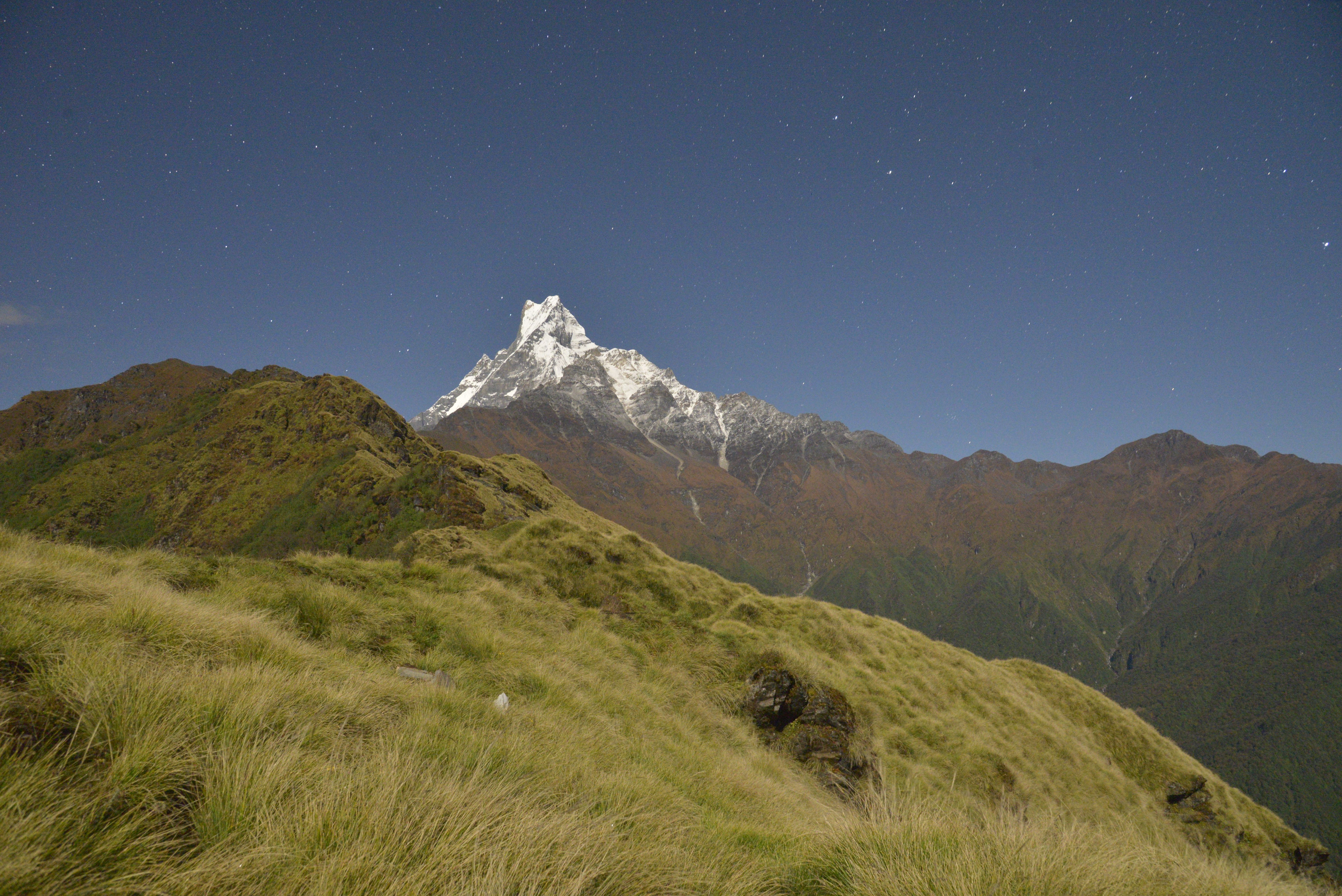 The Himalayas of Nepal are home to some of the world's most beautiful trekking routes, and the Mardi Himal Trek is one of the finest ways to experience their beauty without committing to a long expedition. Located in the Annapurna region, this relatively short trek takes you through peaceful mountain villages, dense rhododendron forests, traditional teahouses and spectacular Himalayan landscapes.
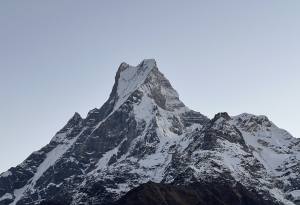
The journey gradually leads towards the high alpine ridge of Mardi Himal, where impressive views of Machhapuchhre (Fishtail), Annapurna South, Hiunchuli and the surrounding Himalayan peaks make every step worthwhile.
One of the biggest attractions of the Mardi Himal Trek is its combination of natural beauty, manageable duration and incredible mountain scenery. It is an excellent option for trekkers looking for a rewarding Himalayan experience within a limited travel schedule.
If you are planning to explore Nepal in 2027, this complete guide covers everything you need to know about the Mardi Himal Trek, including its cost, itinerary, difficulty, best time to visit, permits, accommodation and essential travel information.
Mardi Himal Trek 2027: Quick Overview
Before planning your journey, here are the essential details of the Mardi Himal Trek.
Destination: Mardi Himal, Annapurna Region, Nepal
Trek Duration: 5–7 days of trekking and travel, depending on the itinerary
Maximum Altitude: Approximately 4,500 metres at Mardi Himal Base Camp
Trek Starting Point: Kande or Phedi, depending on the route
Trek Ending Point: Siding or another designated exit point
Nearest Major City: Pokhara
Difficulty Level: Moderate to challenging
Best Seasons: Spring (March–May) and Autumn (September–November)
Accommodation: Mountain teahouses and lodges
Required Permit: Annapurna Conservation Area Permit (ACAP)
Guide: Check current trekking regulations and arrange a licensed guide through a registered trekking agency where required.
Where Is Mardi Himal Located?
Mardi Himal is situated in the Annapurna region of Gandaki Province in north-central Nepal. It lies east of the popular Machhapuchhre (Fishtail) mountain and forms part of the spectacular Himalayan landscape surrounding the Annapurna range.
The trekking route begins from the hills surrounding Pokhara and gradually climbs through traditional settlements, forest trails and open mountain ridges.
Unlike some of Nepal's longer trekking routes, Mardi Himal offers a relatively short journey with impressive views of the Himalayas. As trekkers gain elevation, the landscape changes from green hills and dense forests to alpine vegetation and open ridgelines.
The trail also provides beautiful views of:
- Machhapuchhre (Fishtail), 6,993 metres
- Annapurna South, 7,219 metres
- Hiunchuli, 6,441 metres
- Mardi Himal, 5,587 metres
The close-up views of Machhapuchhre and the Annapurna range are among the highlights of this trek.
Why Choose the Mardi Himal Trek in 2027?
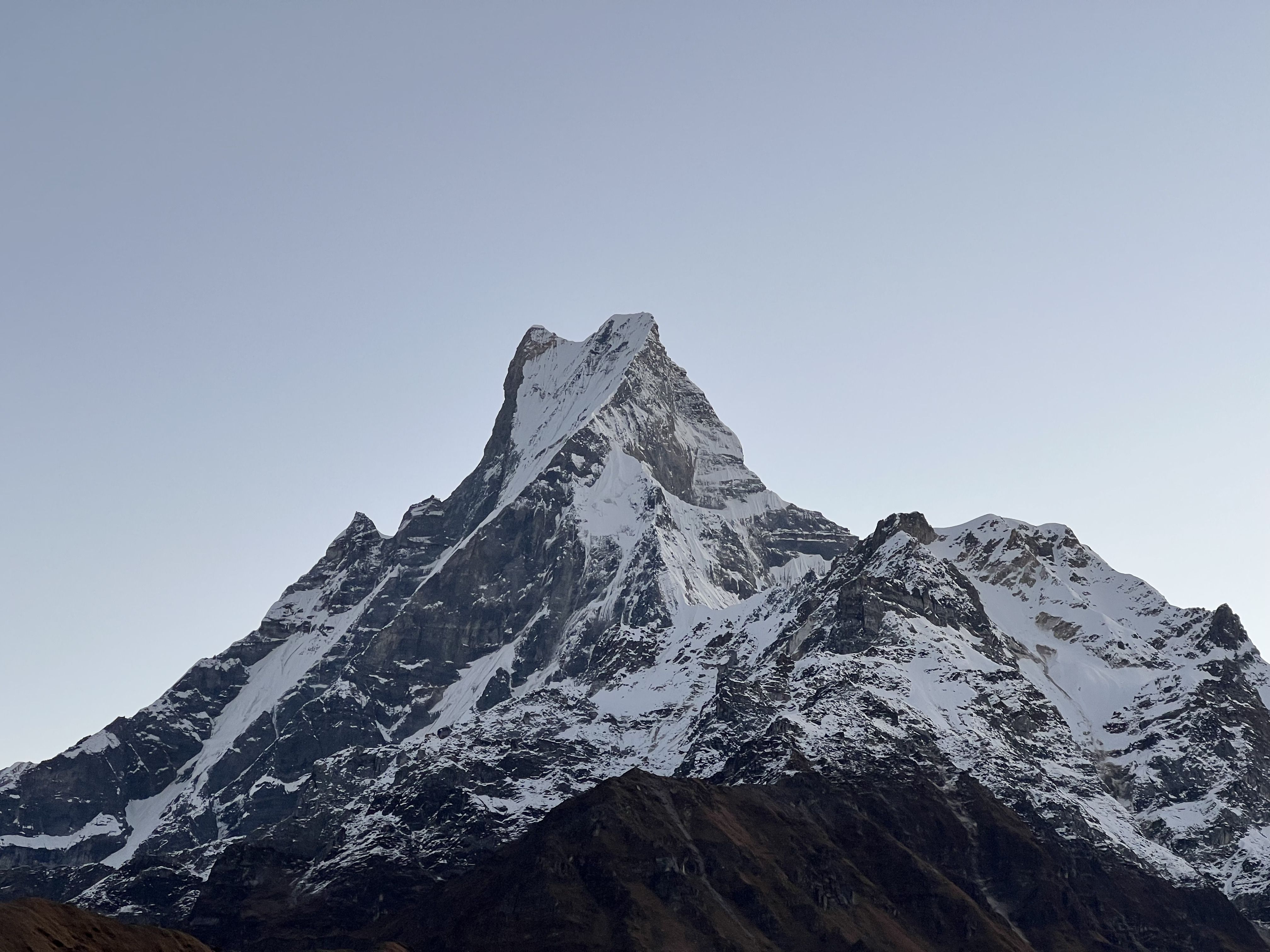 Mardi Himal has become an increasingly popular choice among domestic and international trekkers because it offers an excellent balance of adventure, scenery and duration.
Here are some reasons to consider this trek in 2027.
1. Spectacular Himalayan Mountain Views
The biggest attraction of Mardi Himal is its incredible mountain scenery. As the trail climbs above the forest line, trekkers are rewarded with panoramic views of the Annapurna range and the distinctive peak of Machhapuchhre.
The closer you get to the upper viewpoint, the more impressive the mountain landscape becomes.
2. A Short Himalayan Adventure
Not everyone has enough time for a two-week trekking expedition. Mardi Himal is an excellent alternative for travellers who want to experience the Himalayas within approximately five to seven days of trekking and travel.
It can also be combined with additional sightseeing in Pokhara.
3. Beautiful Forest Trails
The lower sections of the route pass through dense forests of rhododendron, oak and other Himalayan vegetation.
During spring, rhododendron flowers add colour to the landscape, creating a particularly beautiful trekking environment.
4. Peaceful Mountain Villages
The trek passes through traditional settlements and small mountain communities where visitors can experience local hospitality, traditional food and the peaceful lifestyle of the Annapurna region.
5. Suitable for Trekkers Seeking a Moderate Adventure
Mardi Himal is a good option for reasonably fit beginners and experienced trekkers alike. However, the increasing altitude, steep sections and long walking days mean that proper preparation is important.
Mardi Himal Trek Itinerary 2027
The following is a suggested seven-day itinerary starting and ending in Pokhara. It includes time for the mountain journey, the upper viewpoint and the return to Pokhara.
The itinerary can be adjusted according to weather, trail conditions, group fitness and individual preferences.
Day 1: Pokhara to Kande and Trek to Forest Camp (2,520 m)
Your Mardi Himal adventure begins with a drive from Pokhara to Kande, the starting point of the trekking route.
From Kande, the trail gradually climbs through stone steps, terraced fields and beautiful forest sections. You will pass through Australian Camp and surrounding viewpoints before continuing towards Forest Camp.
The first day introduces you to the natural beauty of the Annapurna foothills, with occasional mountain views along the way.
Overnight: Forest Camp
Day 2: Forest Camp to Low Camp (2,985 m)
After breakfast, continue through peaceful rhododendron and oak forests towards Low Camp.
The trail gradually gains elevation, and the forest becomes denser in some sections. As you approach Low Camp, the surroundings begin to open up, offering glimpses of Machhapuchhre and the Annapurna range when the weather is clear.
This is a relatively gradual day compared with the higher sections of the trek.
Overnight: Low Camp
Day 3: Low Camp to High Camp (3,580 m)
Today is one of the most scenic sections of the Mardi Himal Trek.
The trail climbs above the tree line towards Badal Danda and High Camp. As you gain elevation, the forest gradually gives way to open ridges and alpine landscapes.
On clear days, the views of Machhapuchhre, Annapurna South and Hiunchuli become increasingly impressive.
High Camp is the main overnight stop before exploring the upper viewpoint.
Overnight: High Camp
Day 4: High Camp to Mardi Himal Upper Viewpoint (Approximately 4,200 m) and Return to High Camp
This is the highlight of the Mardi Himal Trek.
The day begins with an early departure towards the upper viewpoint. The trail follows an exposed mountain ridge, providing beautiful views of the surrounding Himalayan peaks.
The upper viewpoint, at approximately 4,200 metres, offers an impressive panorama of Machhapuchhre and the Annapurna range.
Trekkers with suitable conditions and sufficient time may continue towards Mardi Himal Base Camp, approximately 4,500 metres. This additional section should only be considered when conditions, fitness and professional guidance make it appropriate.
After enjoying the mountain scenery, return to High Camp for the night.
Overnight: High Camp
Day 5: High Camp to Siding Village (Approximately 1,750–1,850 m)
After breakfast, begin descending towards Siding Village.
The return route offers a different perspective of the landscape, taking you through forest sections and traditional mountain settlements.
Siding is a peaceful village where you can experience local hospitality and enjoy a more relaxed atmosphere after the higher sections of the trek.
Overnight: Siding Village
Day 6: Siding to Pokhara
After breakfast, travel from Siding towards Pokhara by available local or private transportation.
Once you reach Pokhara, you can relax and explore the beautiful lakeside area. Phewa Lake, the surrounding hills and the lively Lakeside streets offer a pleasant way to spend the evening.
Overnight: Pokhara
Day 7: Pokhara to Kathmandu
After breakfast, return to Kathmandu by tourist bus or private vehicle. Travellers can also choose a domestic flight, depending on their schedule and preference.
Your Mardi Himal adventure concludes with unforgettable memories of the Annapurna region and its magnificent mountain scenery.
Note: This itinerary is a suggested plan, not a fixed schedule. Weather, road access, trail conditions and individual fitness may require changes. An additional day can be useful as a buffer.
Mardi Himal Trek Cost 2027
One of the most common questions among travellers planning this adventure is: How much does the Mardi Himal Trek cost?
The total cost depends on several factors, including group size, transportation, accommodation, meals, guide and porter services, permits and the trekking package you choose.
For 2027 planning, the following are indicative budget ranges rather than fixed operator quotations.
Estimated Mardi Himal Trek Cost
| Expense | Estimated Cost |
|
ACAP permit |
NPR 3,000 |
|
TIMS card, where applicable |
Confirm current fee |
|
Licensed guide |
USD 25–35 per day |
|
Porter |
USD 18–25 per day |
|
Accommodation |
USD 5–15 per night |
|
Meals |
USD 20–35 per day |
|
Return transportation |
Depends on route and vehicle |
These estimates are indicative and can vary by season, location, service provider and exchange rate. Confirm current permit requirements and charges before departure.
Estimated Package Budget
For a guided five-to-seven-day trek, a reasonable initial planning allowance is approximately USD 350–700 per person for a basic group package.
The final price may be higher depending on group size, private transportation, porter arrangements, accommodation standards and meal inclusions.
For an accurate quotation, travellers should request a package breakdown showing exactly what is included and excluded.
What Is Usually Included in a Mardi Himal Trek Package?
A trekking package arranged through a registered agency may include:
- Licensed trekking guide
- Required trekking permits and documentation
- Accommodation during the trek
- Meals, depending on the package
- Ground transportation according to the itinerary
- Porter service, if included in the selected package
- Basic trekking coordination and assistance
What Is Usually Not Included?
Depending on the package, the following expenses may be excluded:
- International flights
- Nepal entry visa
- Personal travel insurance
- Personal trekking equipment
- Additional snacks, drinks and personal purchases
- Tips for guides and porters
- Extra accommodation in Kathmandu or Pokhara
- Additional transportation outside the agreed itinerary
Always review the package inclusions before confirming your booking.
Best Time to Do the Mardi Himal Trek in 2027
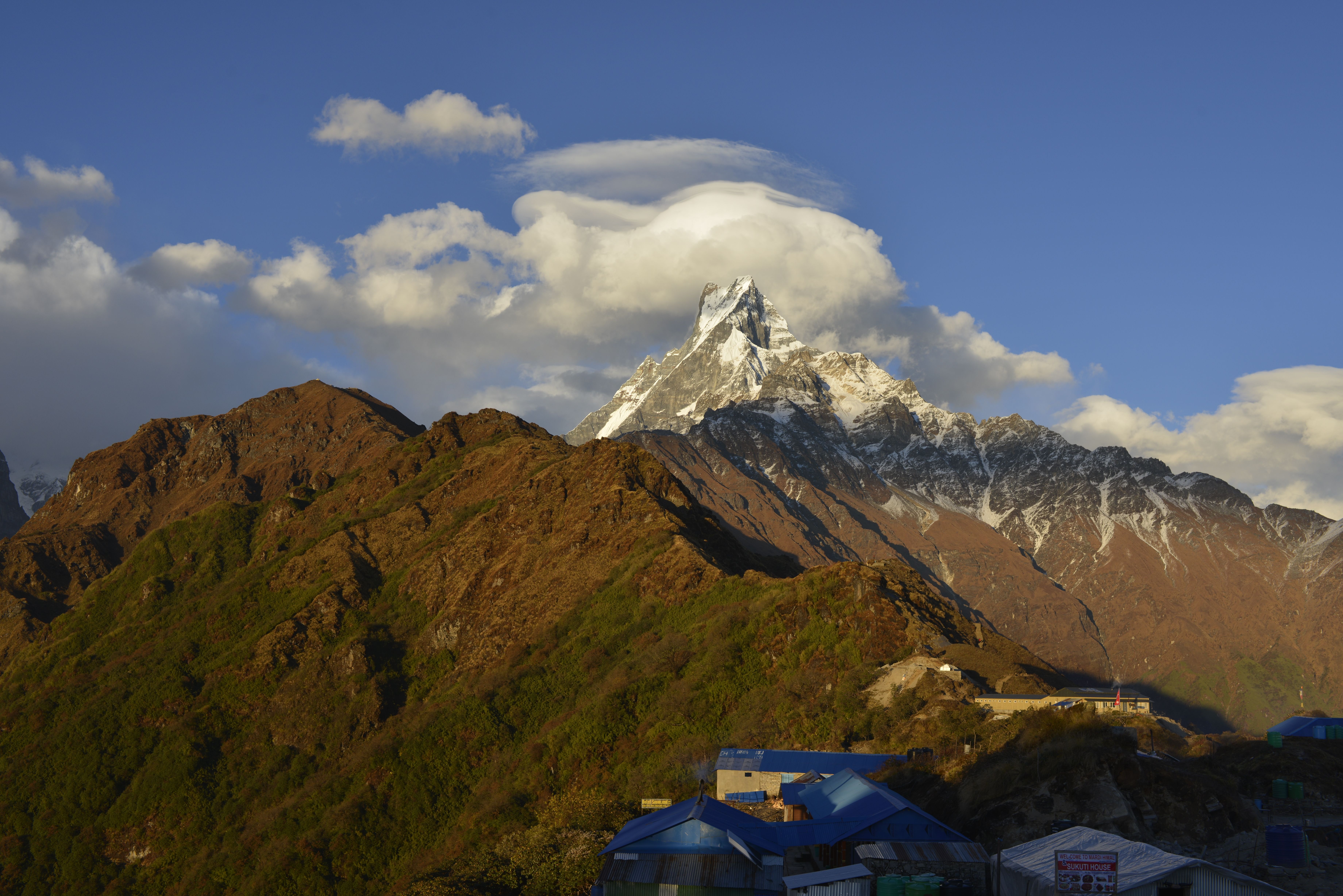 Choosing the right season can make a significant difference to your trekking experience. Spring and autumn are generally considered the best seasons for Mardi Himal because they offer favourable trekking conditions and beautiful mountain scenery.
Spring (March to May)
Spring is one of the most beautiful times to visit Mardi Himal.
During this season, the lower forest sections become colourful with blooming rhododendrons. The weather is generally pleasant, and the landscape looks particularly attractive.
Highlights:
- Rhododendron flowers along the forest trails
- Pleasant daytime temperatures
- Beautiful mountain scenery on clear days
- Suitable conditions for trekking, subject to weather
Autumn (September to November)
Autumn is another excellent season for the Mardi Himal Trek.
Following the monsoon, the surrounding landscape becomes green and fresh. As the weather generally becomes clearer, trekkers can enjoy impressive views of the Annapurna range and Machhapuchhre.
Highlights:
- Generally clear mountain views
- Fresh landscapes after the monsoon
- Comfortable daytime trekking conditions
- Popular trekking season in Nepal
Winter (December to February)
Winter trekking is possible, but temperatures can become very cold at higher elevations. Snowfall and icy trail conditions may affect accessibility and the overall experience.
Trekkers should check the latest weather and trail conditions before making plans.
Monsoon (June to August)
The monsoon season brings heavy rainfall to many parts of Nepal. Trails can become muddy and slippery, while clouds may limit mountain visibility.
There may also be an increased risk of landslides and transportation disruptions.
For most visitors, spring and autumn are the more suitable seasons to plan this trek.
Mardi Himal Trek Difficulty: Is It Suitable for Beginners?
The Mardi Himal Trek is generally considered moderate to challenging, depending on a trekker's fitness, experience and chosen itinerary.
Although the route is relatively short, it involves continuous uphill walking, steep sections and significant altitude gain.
The higher sections can be physically demanding, especially around High Camp and the upper viewpoint.
What Makes the Trek Challenging?
1. Steep Ascents
Some sections involve continuous climbing through forests and narrow mountain trails.
2. Increasing Altitude
The trek reaches approximately 4,200 metres at the upper viewpoint and around 4,500 metres at Base Camp. Higher elevations increase the risk of altitude-related illness.
3. Long Walking Days
Some days involve several hours of walking, particularly the journey towards the upper viewpoint.
4. Changing Weather
Mountain weather can change quickly. Rain, snow, wind and low visibility may affect trekking conditions.
Can Beginners Do the Mardi Himal Trek?
Yes, reasonably fit beginners can consider Mardi Himal, provided they prepare appropriately and follow a suitable itinerary.
It is important to understand that this is a high-altitude mountain trek, not an ordinary walking holiday.
A gradual itinerary, appropriate rest, professional guidance and attention to altitude-related symptoms are important. Do not continue ascending if you feel unwell; seek guidance from your trekking guide and appropriate medical assistance.
Permits Required for the Mardi Himal Trek
Mardi Himal lies within the Annapurna Conservation Area, so trekkers need to comply with the area's entry and trekking regulations.
Annapurna Conservation Area Permit (ACAP)
The ACAP permit is required to enter the Annapurna Conservation Area.
It supports conservation activities and the protection of the region's natural environment.
Foreign visitors should check the current permit fee and application requirements through the official Nepal Tourism Board or the relevant permit authority.
TIMS Card
The Trekkers' Information Management System (TIMS) is used for trekking registration and trekker management on designated routes.
Nepal Tourism Board's current TIMS guidance lists Mardi Himal among the routes covered by the revised provisions. It also specifies guide and agency arrangements for applicable routes.
Since trekking rules and implementation can change, confirm the latest requirements with the Nepal Tourism Board or a registered trekking agency before departure.
Accommodation and Food During the Mardi Himal Trek
Accommodation along the Mardi Himal route is mainly provided by local teahouses and mountain lodges.
The facilities are generally simple but provide the basic services needed during the journey.
Accommodation
Most teahouses offer shared or private rooms depending on availability. Facilities become more basic as you move towards higher elevations.
Common facilities may include:
- Basic beds and blankets
- Shared bathrooms
- Dining areas
- Hot drinks
- Charging facilities, sometimes for an additional fee
Availability and facilities vary between lodges, particularly during busy trekking seasons.
Food
Trekkers can enjoy a variety of local and familiar meals along the route.
Common food options include:
- Dal Bhat (rice, lentils and vegetables)
- Noodles and fried rice
- Soups
- Tibetan bread
- Pancakes
- Eggs and potatoes
- Tea and coffee
Dal Bhat is a popular choice because it provides a filling meal during long trekking days.
What Should You Pack for the Mardi Himal Trek?
Packing the right equipment can make your journey more comfortable.
Since the route includes different climatic conditions and elevations, it is important to prepare for both warm daytime weather and cold mountain temperatures.
Here is a basic packing checklist:
- Clothing
- Moisture-wicking base layers
- Warm fleece or insulated jacket
- Waterproof outer jacket
- Trekking trousers
- Comfortable hiking socks
- Warm hat and gloves
- Comfortable sleepwear
- Footwear
- Well-fitted trekking boots
- Comfortable camp footwear
- Extra pairs of socks
Personal Essentials
- Small daypack
- Reusable water bottle
- Headlamp
- Sunglasses
- Sunscreen
- Personal toiletries
- Basic personal first-aid supplies
- Power bank
Important Documents
- Passport or valid identification
- Required trekking permits
- Travel insurance details
- Emergency contact information
Your trekking agency can provide further guidance based on the season and itinerary.
Safety and Altitude Considerations
Safety should always be a priority when trekking in the Himalayas.
Mardi Himal reaches elevations above 4,000 metres, where altitude-related illness can affect trekkers regardless of their previous trekking experience.
Keep the following points in mind:
- Allow sufficient time for gradual altitude gain.
- Follow a suitable itinerary rather than rushing the trek.
- Stay hydrated and eat regular meals.
- Inform your guide if you experience unusual symptoms.
- Do not continue ascending if you feel unwell.
- Follow your guide's advice regarding weather and trail conditions.
- Check that your travel insurance covers high-altitude trekking and emergency evacuation where applicable.
A responsible trekking plan should always prioritise health and safety over reaching a particular viewpoint.
Mardi Himal Trek vs Annapurna Base Camp Trek
Both Mardi Himal and Annapurna Base Camp are popular trekking destinations in the Annapurna region. However, they offer different experiences.
| Feature | Mardi Himal Trek | Annapurna Base Camp Trek |
| Duration | Approximately 5–7 days | Approximately 7–12 days |
| Maximum altitude | Around 4,500 m | Around 4,130 m |
| Difficulty | Moderate to challenging | Moderate to challenging |
| Main attraction |
Mountain ridge and close-up Fishtail views |
Natural mountain amphitheatre |
| Trail experience |
Forests and narrow ridges |
Villages, forests and mountain valleys |
| Best for | Shorter Himalayan adventure | Longer Himalayan journey |
If you have limited time and want impressive mountain views, Mardi Himal is an excellent option.
If you prefer a longer journey with a different landscape and the experience of reaching the Annapurna Sanctuary, Annapurna Base Camp may be a better choice.
How to Reach the Mardi Himal Trek Starting Point
The journey usually begins in Pokhara, one of Nepal's most popular tourist destinations.
Kathmandu to Pokhara
Travellers can reach Pokhara from Kathmandu by:
- Tourist bus
- Private vehicle
- Domestic flight
The journey by road generally takes around 6–8 hours, depending on traffic and road conditions. Flights are much shorter, although schedules can be affected by weather.
Pokhara to Kande
From Pokhara, trekkers can travel by private vehicle or local transportation to Kande.
The drive usually takes approximately one hour, depending on road and traffic conditions.
Kande is a common starting point for the Mardi Himal route.
Why Book Your Mardi Himal Trek with Ascent Holidays Nepal?
Planning a Himalayan trek involves more than choosing a destination. Proper arrangements, route knowledge, accommodation planning and reliable local support all contribute to a better travel experience.
At Ascent Holidays Nepal, we focus on creating trekking experiences that allow travellers to explore Nepal's natural beauty while receiving professional support throughout their journey.
When planning your Mardi Himal Trek with our team, you can discuss:
- Flexible trekking itineraries
- Experienced local trekking guides
- Required permit arrangements
- Accommodation and transportation
- Group and private trekking options
- Personalised travel assistance
Whether you are travelling alone, with friends or as part of a group, our team can help you plan a Mardi Himal adventure that suits your schedule and preferences.
Final Thoughts: Is Mardi Himal Worth Visiting in 2027?
The Mardi Himal Trek is an excellent choice for travellers looking to experience the beauty of the Nepalese Himalayas within a relatively short period.
From the peaceful rhododendron forests and traditional mountain settlements to the spectacular ridgeline views of Machhapuchhre and Annapurna South, the journey offers a memorable combination of nature, culture and adventure.
Its shorter duration makes it an attractive alternative to some of Nepal's longer trekking routes, while its high-altitude viewpoints provide an unforgettable Himalayan experience.
If Nepal is on your travel list for 2027, Mardi Himal deserves a place among the destinations you consider.
Ready to explore Mardi Himal in 2027? Start planning your Himalayan adventure with Ascent Holidays Nepal.
Frequently Asked Questions (FAQs)
1. How many days are required for the Mardi Himal Trek?
The Mardi Himal Trek generally takes around 5–7 days, depending on the route, starting point and walking schedule. Additional days can be included for travel and flexibility.
2. What is the highest altitude of the Mardi Himal Trek?
Mardi Himal Base Camp is approximately 4,500 metres above sea level. The popular upper viewpoint is around 4,200 metres.
3. How much does the Mardi Himal Trek cost in 2027?
The cost depends on group size, accommodation, meals, transportation, guide and porter services. A basic guided package may start around USD 350–700 per person, but travellers should request an updated quotation for exact inclusions and prices.
4. What is the best month for the Mardi Himal Trek?
March, April, October and November are generally excellent months for the trek. These months usually offer favourable trekking conditions and good opportunities for mountain views, although weather can vary.
5. Is the Mardi Himal Trek suitable for beginners?
Yes. Reasonably fit beginners can consider this trek with appropriate preparation, a gradual itinerary and professional guidance. However, the altitude and steep sections should not be underestimated.
6. Do I need a guide for the Mardi Himal Trek?
Nepal Tourism Board's current TIMS guidance lists Mardi Himal among the routes covered by the revised trekking provisions, including licensed-guide and agency requirements. Confirm the latest regulations before departure.
7. Is the Mardi Himal Trek difficult compared with Annapurna Base Camp?
Both treks involve altitude gain and physically demanding walking sections. Mardi Himal has some steep and narrow ridge sections, while Annapurna Base Camp involves a longer journey for many itineraries.
8. What mountains can be seen during the Mardi Himal Trek?
The major mountain views include Machhapuchhre (Fishtail), Annapurna South, Hiunchuli and Mardi Himal, along with other peaks of the Annapurna range.
9. Is accommodation available along the Mardi Himal route?
Yes. Local teahouses and lodges provide accommodation along the main route. Facilities are generally basic, especially at higher elevations.
10. Can Mardi Himal be combined with other destinations in Nepal?
Yes. Many travellers combine the trek with sightseeing in Pokhara, Kathmandu or other destinations in Nepal, depending on their available time.
Recent Post
-

Festivals and Cultural Highlights of Nepal – A Celebration of Devotion and Diversity
Tourism In Nepal -
A Guide to Responsible Trekking: Leave No Trace in Nepal
Trekking Tips -
Top 10 Trekking Routes in Nepal for 2025
Trekking Tips -

Everest Base Camp vs Annapurna Base Camp Trek | Which is Best for You?
Tourism In Nepal -
Save The Himalaya
Trekking Tips -
Mardi Himal Trek 2026: Complete Guide, Cost & Itinerary
Tourism In Nepal -

Langtang Valley Trek in 2026 | Complete Travel Guide
Trekking Tips -
Mardi Himal Trek 2027: Cost, Itinerary & Complete Guide
Tourism In Nepal -
Adventures Beyond the Summit: Things to Do on Mount Everest
Trekking Tips -
Discover the majestic Annapurna Region: A Trekker's Paradise
Trekking Tips
Associated and certified


