+977 9868136870 (Shankar) Mail Us | Make an Enquiry
Nepal Travel by Season: Best Times to Visit & Why
Nepal is a destination that changes with each season, offering travelers various experiences throughout the year. From stunning Himalayan views and lively cultural festivals to lush monsoon landscapes and serene winter getaways, every season shows a different side of the country. Choosing the right time to visit Nepal mainly depends on what kind of experience you want, whether it’s trekking in the mountains, exploring ancient cities, immersing yourself in culture, or simply enjoying nature at a slower pace.
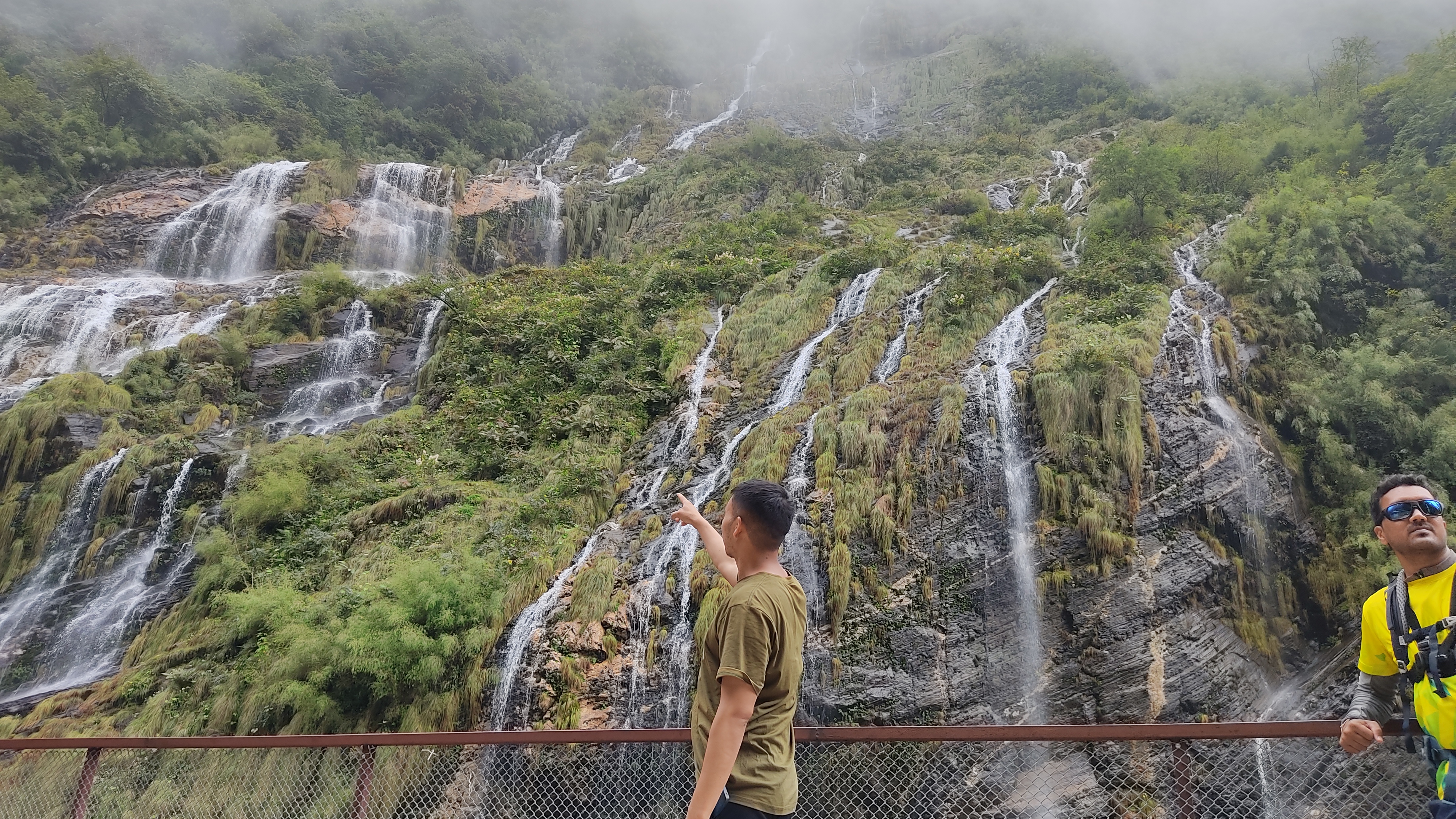
Spring Season
Spring lasts from March to May and is one of the most popular and beautiful times to travel in Nepal. As winter goes away, the weather becomes warm and stable, which is great for outdoor activities. Hills and trekking trails fill with color from blooming rhododendrons, Nepal’s national flower, while mountain visibility stays excellent. This season is especially loved by trekkers heading to areas like Annapurna, Everest, and Langtang, as the conditions are comfortable and scenic. Spring also brings a lively vibe to cities and villages, with cultural events and festivals enriching the travel experience.
Autumn Season
Autumn, from September to November, is often seen as the best overall season to visit Nepal. After the monsoon rains clear away dust and haze, the skies become clear, and the landscapes look fresh and vibrant. Mountain views in autumn are outstanding, making it the top season for trekking, mountaineering, and photography. Temperatures stay moderate across most regions, creating perfect conditions for both high-altitude adventures and cultural sightseeing. Major festivals like Dashain and Tihar occur during this time, allowing travelers to experience Nepal’s traditions, rituals, and celebrations in their most energetic and genuine forms.
Summer & Monsoon Season
The summer and monsoon season, which runs from June to August, provides a quieter and more immersive travel experience. While rainfall can impact trekking routes and transportation in some places, this season turns Nepal into a lush green paradise. Rice fields, forests, and waterfalls are at their most dramatic, making it a rewarding time for nature lovers and photographers. Rain-shadow areas like Upper Mustang and parts of Dolpo remain accessible, while cities such as Kathmandu and Pokhara are less crowded, allowing travelers to explore at a slower, more relaxed pace.
Winter Season
Winter, from December to February, is perfect for travelers who prefer calm surroundings and fewer tourists. Although snowfall limits trekking at higher elevations, lower-altitude destinations offer pleasant daytime temperatures and clear skies. This season is great for cultural tours in the Kathmandu Valley, wildlife safaris in Chitwan National Park, spiritual visits to Lumbini, and scenic stays in Pokhara. Winter also provides excellent mountain visibility, giving travelers clear views without the crowds seen during peak season.
In summary, Nepal is truly a year-round destination, with each season offering its own charm and benefits. Spring and autumn are ideal for trekking and adventure, summer showcases Nepal’s natural beauty and cultural richness, and winter allows for peaceful travel and delightful scenery at lower elevations. By understanding Nepal’s seasonal patterns, travelers can plan a trip that fits their interests and experience the country at its best.
Recent Post
-
Mardi Himal Trek 2026: Complete Guide, Cost & Itinerary
Tourism In Nepal -
Festivals and Cultural Highlights of Nepal – A Celebration of Devotion and Diversity
Tourism In Nepal -
A Guide to Responsible Trekking: Leave No Trace in Nepal
Trekking Tips -
Top 10 Trekking Routes in Nepal for 2025
Trekking Tips -
Bhaktapur Durbar Square Day Tour | Complete Travel Guide
Trekking Tips -
Everest Base Camp vs Annapurna Base Camp Trek | Which is Best for You?
Tourism In Nepal -
Trekking in Nepal After the Recent Floods | 2026 Safety Guide
Trekking Tips -
Save The Himalaya
Trekking Tips -
Adventures Beyond the Summit: Things to Do on Mount Everest
Trekking Tips -
Discover the majestic Annapurna Region: A Trekker's Paradise
Trekking Tips
Associated and certified