+977 9868136870 (Shankar) Mail Us | Make an Enquiry
Top 5 Trekking Destinations in Nepal for 2026 | Complete Travel Guide
Top 5 Trekking Destinations in Nepal for 2026
Nepal has long been recognized as one of the world's greatest trekking destinations, offering an unmatched combination of towering Himalayan peaks, ancient traditions, welcoming communities, and breathtaking natural beauty. Every year, thousands of travelers from around the globe visit Nepal not only to witness Mount Everest but also to experience the country's diverse trekking trails that pass through lush forests, alpine meadows, glacier valleys, remote villages, and high mountain passes. Whether you are looking for a challenging expedition or a peaceful journey through picturesque landscapes, Nepal has a trekking route suited to every level of experience.
As tourism continues to grow, 2026 is expected to be one of the best years to trek in Nepal. The country's trekking infrastructure has steadily improved over the years, with better tea houses, well-maintained trails, professional local guides, and enhanced safety measures making Himalayan adventures more comfortable and accessible than ever before. At the same time, Nepal has maintained its authentic charm, allowing visitors to experience centuries-old cultures and traditions while exploring some of the most spectacular mountain scenery on Earth.
Choosing the right trekking destination can sometimes be overwhelming because Nepal offers dozens of incredible routes, each with its own character and appeal. Some treks are famous for their close-up views of the world's highest mountains, while others are celebrated for their rich cultural experiences, peaceful valleys, or remote wilderness. To help you decide, this guide explores the five trekking destinations that continue to attract trekkers from around the world in 2026. Each destination offers a unique adventure, ensuring that every traveler can find a trek that matches their interests, fitness level, and available time.
Why Trek in Nepal in 2026?
Trekking in Nepal is much more than simply walking through the mountains. It is an opportunity to connect with nature, experience local cultures, and challenge yourself in one of the most beautiful environments on the planet. Every trail tells a different story, leading travelers through villages where traditions have remained unchanged for generations, across suspension bridges decorated with colorful prayer flags, and into landscapes that transform dramatically as the altitude increases.
The growing focus on sustainable tourism has also made trekking in Nepal more rewarding. Local communities directly benefit from tourism through family-run tea houses, guiding services, and conservation projects that protect fragile Himalayan ecosystems. By choosing to trek responsibly, visitors contribute to preserving Nepal's natural and cultural heritage while enjoying an unforgettable adventure.
Another advantage of visiting Nepal in 2026 is the variety of trekking experiences available. From short week-long adventures to challenging expeditions lasting nearly three weeks, there is a route suitable for every traveler. Whether your dream is to stand beneath Mount Everest, cross one of the world's highest mountain passes, or discover hidden valleys surrounded by snow-capped peaks, Nepal delivers experiences that leave lasting memories.
1. Everest Base Camp Trek
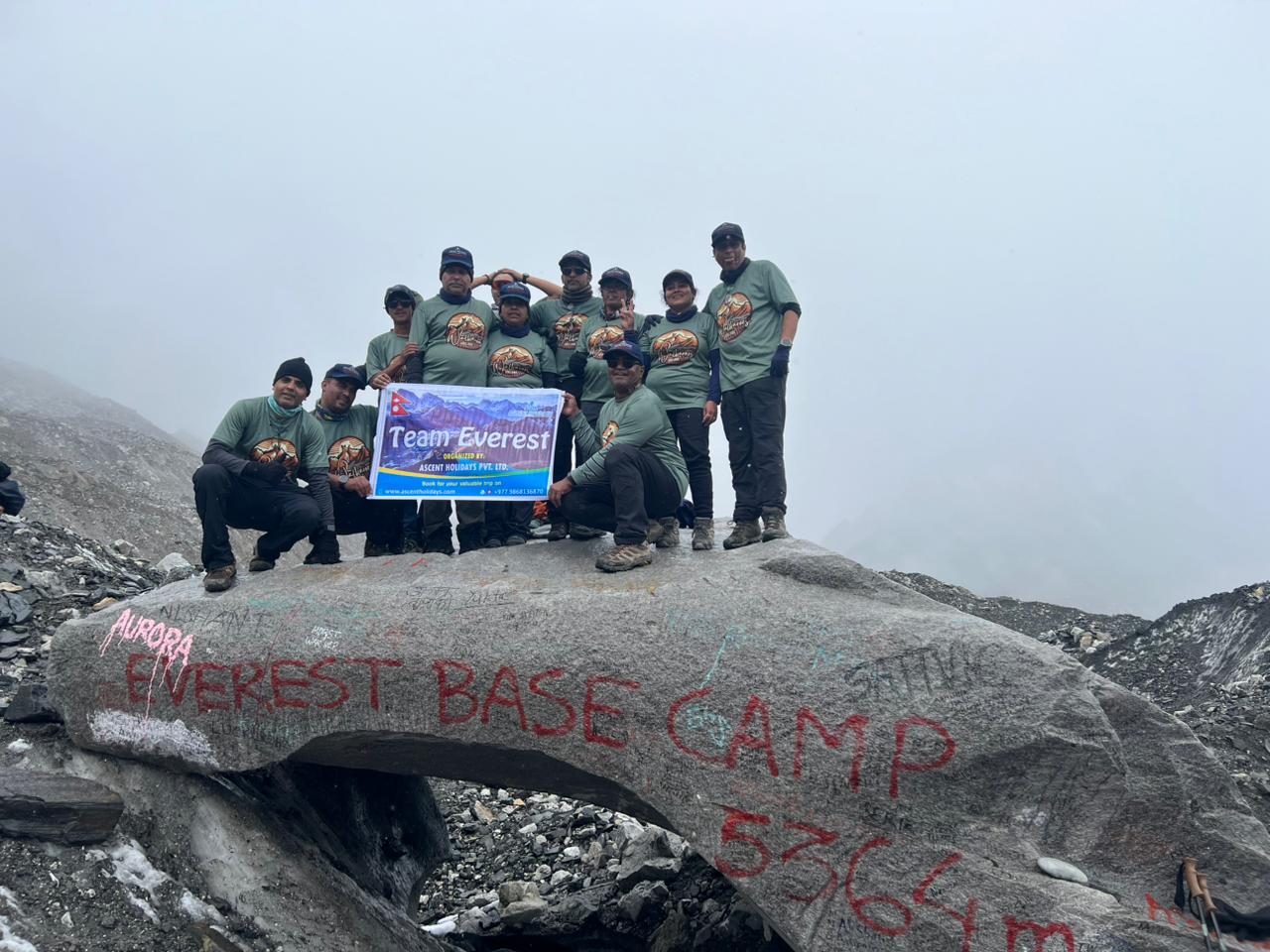
No trekking destination in Nepal is more famous than the Everest Base Camp Trek. Often considered the ultimate Himalayan adventure, this iconic route attracts trekkers from across the globe who dream of standing at the foot of the world's highest mountain. While reaching Everest Base Camp is undoubtedly the primary goal, the journey itself is what makes this trek so extraordinary. Every day offers new landscapes, fascinating cultural encounters, and spectacular mountain views that continually remind you why the Everest region has become one of the most celebrated trekking destinations on Earth.
The adventure begins with a scenic mountain flight to Lukla before following the Dudh Koshi River through dense forests of pine and rhododendron. Along the way, trekkers cross suspension bridges suspended high above rushing rivers, gradually ascending through traditional Sherpa villages that have welcomed climbers and adventurers for generations. The warmth and hospitality of the local people add a deeply personal dimension to the journey, allowing visitors to experience the unique traditions and Buddhist culture that define the Khumbu region.
One of the most memorable stops along the route is Namche Bazaar, the vibrant trading hub of the Everest region. Nestled into a natural mountain amphitheater, this lively town serves as an important acclimatization stop where trekkers can enjoy cafés, bakeries, equipment stores, and panoramic viewpoints overlooking Everest, Ama Dablam, and other surrounding peaks. As the trail continues toward Tengboche Monastery, the scenery becomes increasingly dramatic. Snow-covered mountains dominate the horizon while colorful prayer flags flutter in the crisp mountain air, creating an atmosphere that perfectly captures the spirit of the Himalayas.
Reaching Everest Base Camp at an altitude of 5,364 meters is an unforgettable accomplishment, but many trekkers consider the sunrise climb to Kala Patthar to be the true highlight of the journey. Standing at 5,545 meters as the first rays of sunlight illuminate Mount Everest is a breathtaking experience that few places in the world can match. The panoramic views of Everest, Lhotse, Nuptse, Pumori, and the Khumbu Glacier create memories that remain with travelers long after they return home.
Accommodation throughout the trek consists mainly of traditional tea houses, offering comfortable rooms and warm meals prepared by local families. Although facilities become more basic at higher elevations, the welcoming atmosphere and stunning surroundings more than compensate for the simplicity. The trek generally takes between twelve and fourteen days, allowing sufficient time for proper acclimatization and reducing the risk of altitude sickness.
Trek Highlights:
- Reach Everest Base Camp (5,364 m)
- Sunrise viewpoint at Kala Patthar
- Explore Namche Bazaar
- Visit Tengboche Monastery
- Experience authentic Sherpa culture
- Walk alongside the Khumbu Glacier
- Spectacular views of Everest, Lhotse, Ama Dablam, Nuptse, and Pumori
The Everest Base Camp Trek is best suited for travelers looking for a classic Himalayan adventure. While the altitude makes the trek physically demanding, it remains achievable for anyone with good fitness, careful preparation, and enough time to acclimatize properly. For those seeking an unforgettable combination of mountain scenery, cultural immersion, and personal achievement, Everest Base Camp remains the benchmark against which all other treks are measured.
2. Annapurna Circuit Trek
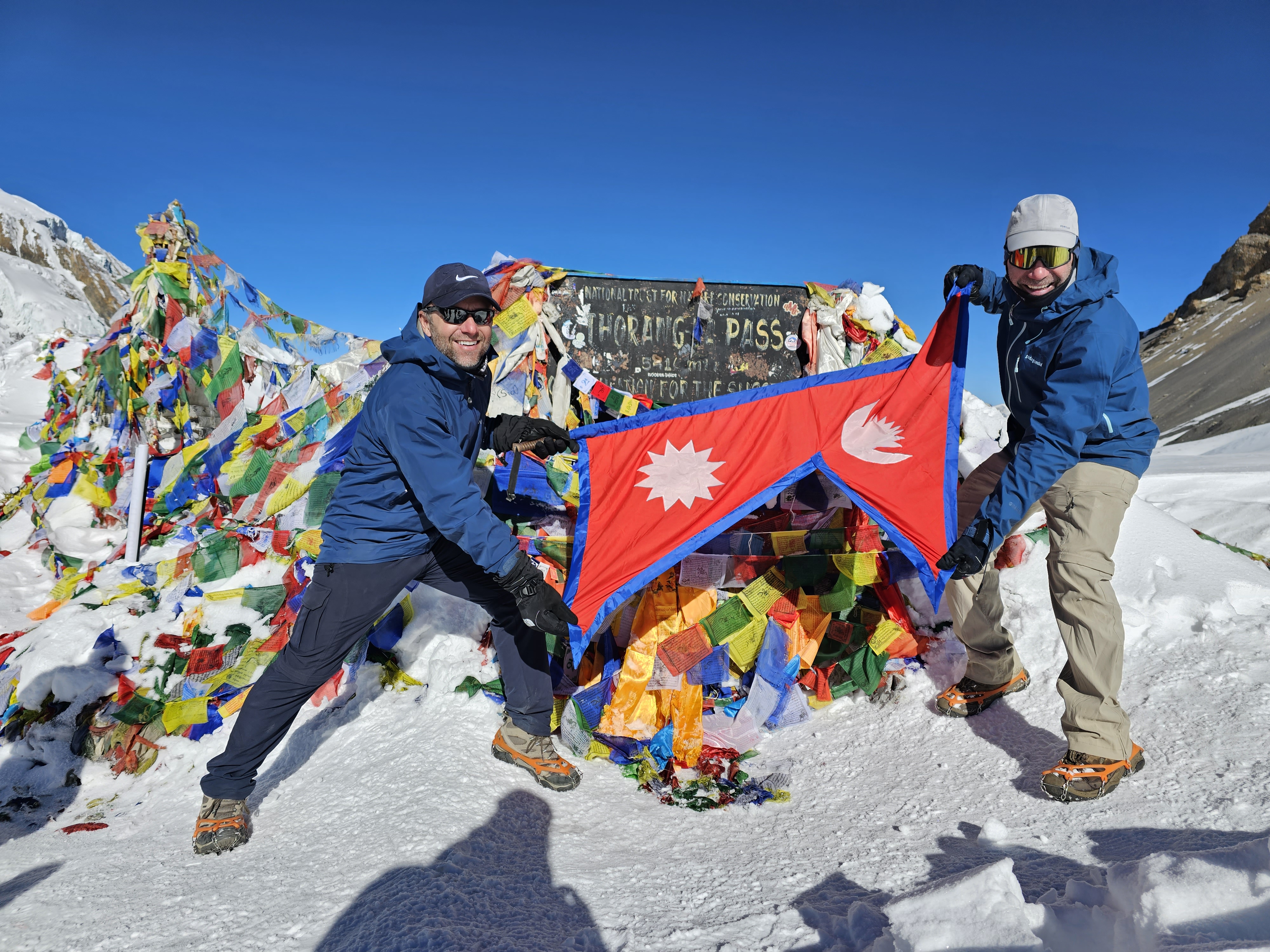 Among all the trekking routes in Nepal, the Annapurna Circuit Trek stands out for its incredible diversity. Often described as one of the world's greatest long-distance treks, the Annapurna Circuit offers an ever-changing journey through lush subtropical forests, cascading waterfalls, terraced farmlands, alpine meadows, windswept mountain deserts, and some of the highest mountain passes in the Himalayas. Unlike many trekking routes that focus on a single destination, the Annapurna Circuit is about experiencing the remarkable transition of landscapes, climates, and cultures as you circle the Annapurna Massif.
The journey traditionally begins from Besisahar, although improved road access has allowed many trekkers to start from Chame to shorten the itinerary. As the trail gradually climbs northward, trekkers pass through charming villages inhabited by Gurung, Manangi, and Thakali communities. Every village introduces a different culture, language, architecture, and way of life, making the trek just as culturally rewarding as it is visually stunning. Ancient monasteries, prayer wheels, and colorful Buddhist stupas blend seamlessly with traditional stone houses against the backdrop of towering Himalayan peaks.
One of the highlights of the circuit is the beautiful village of Manang, located at approximately 3,540 meters above sea level. Surrounded by snow-covered mountains, Manang serves as an important acclimatization stop where trekkers spend an extra day allowing their bodies to adjust to the increasing altitude. During this time, visitors can explore nearby viewpoints, glacial lakes, and centuries-old monasteries while enjoying spectacular views of Annapurna II, Annapurna III, Gangapurna, and Tilicho Peak.
The most challenging and rewarding section of the trek is crossing Thorong La Pass, which rises to an impressive altitude of 5,416 meters. Reaching the summit before sunrise is both physically demanding and emotionally rewarding. Colorful prayer flags mark the highest point, while breathtaking panoramic views stretch across the Annapurna and Dhaulagiri mountain ranges. Standing atop one of the highest trekking passes in the world is a moment of triumph that remains unforgettable for every trekker.
Descending from Thorong La leads to the sacred pilgrimage town of Muktinath, one of Nepal's most important religious sites for both Hindus and Buddhists. The temple complex, surrounded by dramatic mountain scenery, attracts pilgrims from across South Asia who come to bathe beneath its 108 sacred water spouts. Continuing the journey, the landscape transforms once again as trekkers enter the Kali Gandaki Valley, home to the world's deepest river gorge. Traditional villages such as Marpha, famous for its apple orchards and locally produced apple products, provide a peaceful conclusion to this remarkable adventure.
Accommodation throughout the Annapurna Circuit consists of comfortable tea houses that offer private rooms, hot meals, and welcoming hospitality. Over recent years, facilities have improved considerably, making the trek more accessible without sacrificing its authentic Himalayan atmosphere. Most itineraries require between fourteen and eighteen days, although shorter variations have become increasingly popular due to improved road connectivity.
Trek Highlights:
- Cross the spectacular Thorong La Pass (5,416 m)
- Explore the traditional mountain village of Manang
- Visit the sacred temple of Muktinath
- Experience the world's deepest Kali Gandaki Gorge
- Walk through diverse forests, alpine valleys, and high mountain deserts
- Discover the traditional Thakali village of Marpha
- Enjoy panoramic views of Annapurna, Dhaulagiri, Tilicho, Gangapurna, and Nilgiri
The Annapurna Circuit is ideal for trekkers who want a complete Himalayan experience. It combines dramatic scenery, cultural diversity, challenging mountain passes, and comfortable trekking infrastructure into one unforgettable journey. While the trek requires a reasonable level of fitness, the gradual ascent and well-established trail make it achievable for most prepared trekkers.
3. Annapurna Base Camp Trek
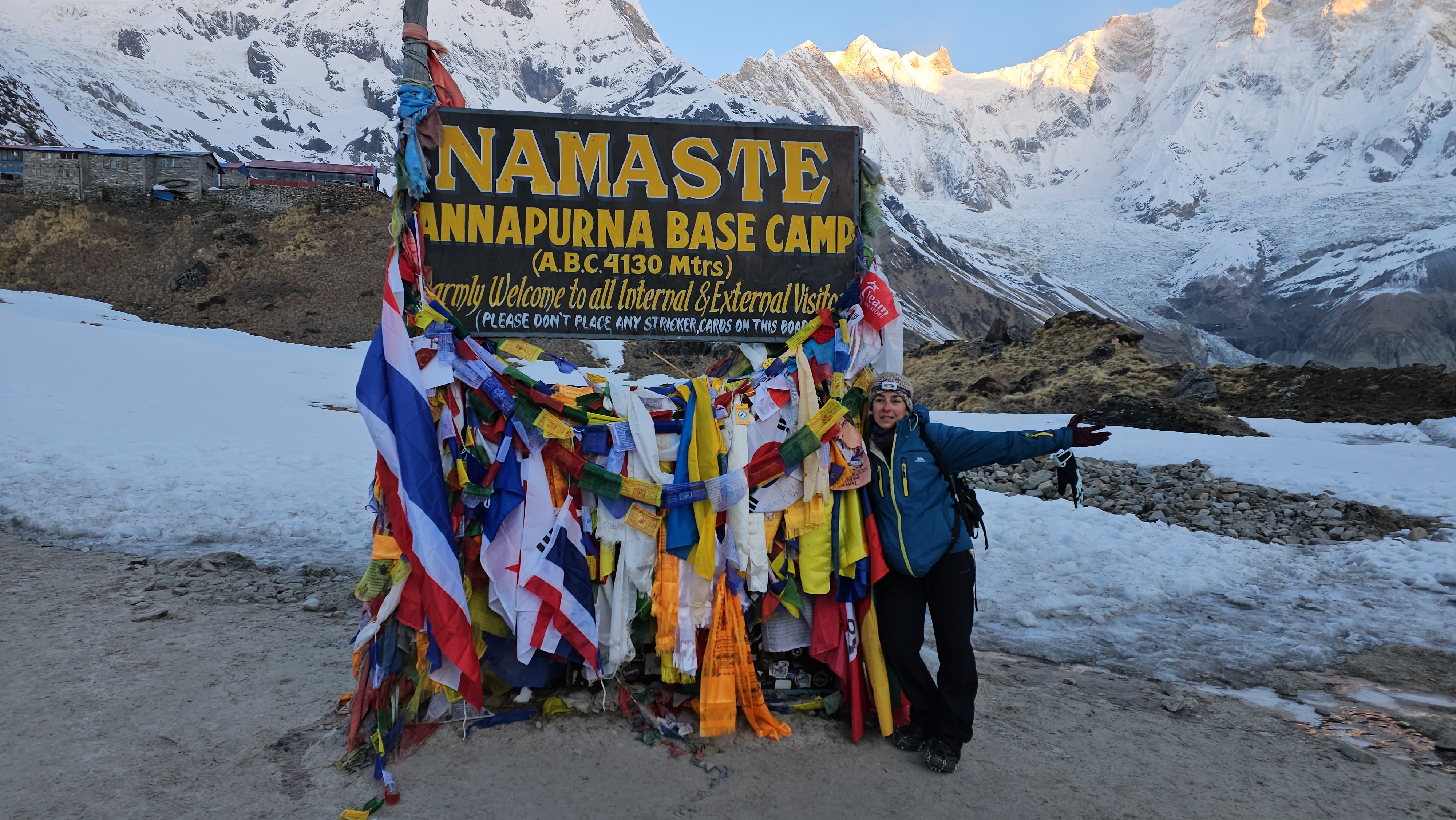
For travelers seeking dramatic Himalayan scenery without committing to a three-week expedition, the Annapurna Base Camp Trek offers the perfect balance between accessibility and adventure. Often referred to as the Annapurna Sanctuary Trek, this route takes trekkers into a natural amphitheater surrounded by some of the highest mountains in the world. Unlike the Annapurna Circuit, which circles the massif, this trek leads directly into its very heart, creating an immersive mountain experience that is both visually spectacular and culturally enriching.
The journey typically begins near Pokhara, Nepal's adventure capital, before passing through picturesque Gurung and Magar villages surrounded by terraced rice fields and dense forests. As the trail gradually climbs higher, subtropical vegetation gives way to bamboo forests, rhododendron woodlands, and alpine landscapes. During spring, the forests burst into vibrant shades of red, pink, and white as thousands of rhododendron flowers bloom across the hillsides, creating one of Nepal's most colorful trekking experiences.
One of the most rewarding aspects of this trek is its remarkable variety of scenery despite its relatively short duration. Every day introduces a different landscape, from peaceful river valleys and cascading waterfalls to towering cliffs and glacier-fed rivers. The trail eventually reaches Machhapuchhre Base Camp, where the surrounding mountains appear dramatically closer than ever before. Continuing toward Annapurna Base Camp, trekkers enter the famous Annapurna Sanctuary, an enormous glacial basin enclosed by towering Himalayan giants that rise almost vertically from the valley floor.
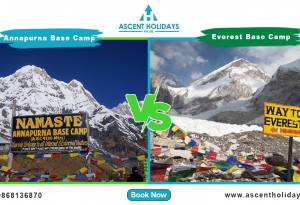
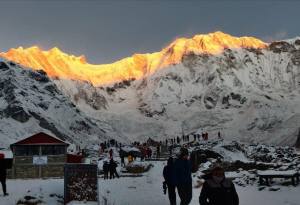
Standing at Annapurna Base Camp, 4,130 meters above sea level, is an unforgettable experience. Surrounded on all sides by Annapurna I, Annapurna South, Hiunchuli, Machhapuchhre, Gangapurna, and several other snow-covered peaks, visitors find themselves in one of the most spectacular mountain amphitheaters on Earth. Sunrise transforms the landscape into a breathtaking display of golden light reflecting across glaciers and towering cliffs, creating one of Nepal's most iconic Himalayan panoramas.
The Annapurna Base Camp Trek is also known for its comfortable trekking experience. Well-established tea houses provide cozy accommodation, freshly prepared meals, and warm hospitality throughout the route. Many itineraries include a visit to the natural hot springs at Jhinu Danda on the return journey, allowing trekkers to relax sore muscles while enjoying peaceful riverside surroundings after days of walking through the mountains.
Typically completed in seven to twelve days, this trek is an excellent choice for travelers with limited vacation time who still want to experience Nepal's legendary Himalayan beauty. Although the trail involves continuous ascents and descents, the altitude remains lower than Everest Base Camp or the Annapurna Circuit, making it suitable for moderately fit beginners as well as experienced trekkers.
Trek Highlights:
- Reach Annapurna Base Camp (4,130 m)
- Experience the spectacular Annapurna Sanctuary
- Visit Machhapuchhre Base Camp
- Walk through blooming rhododendron forests
- Relax in the natural hot springs at Jhinu Danda
- Explore traditional Gurung and Magar villages
- Enjoy panoramic views of Annapurna I, Machhapuchhre, Hiunchuli, and Annapurna South
The Annapurna Base Camp Trek offers one of the best introductions to Himalayan trekking. Its combination of diverse landscapes, welcoming local communities, comfortable accommodation, and breathtaking mountain scenery makes it one of Nepal's most popular trekking routes year after year. Whether you are embarking on your first Himalayan adventure or returning to explore another region of Nepal, this trek provides an unforgettable experience that perfectly showcases the beauty of the Annapurna region.
4. Langtang Valley Trek
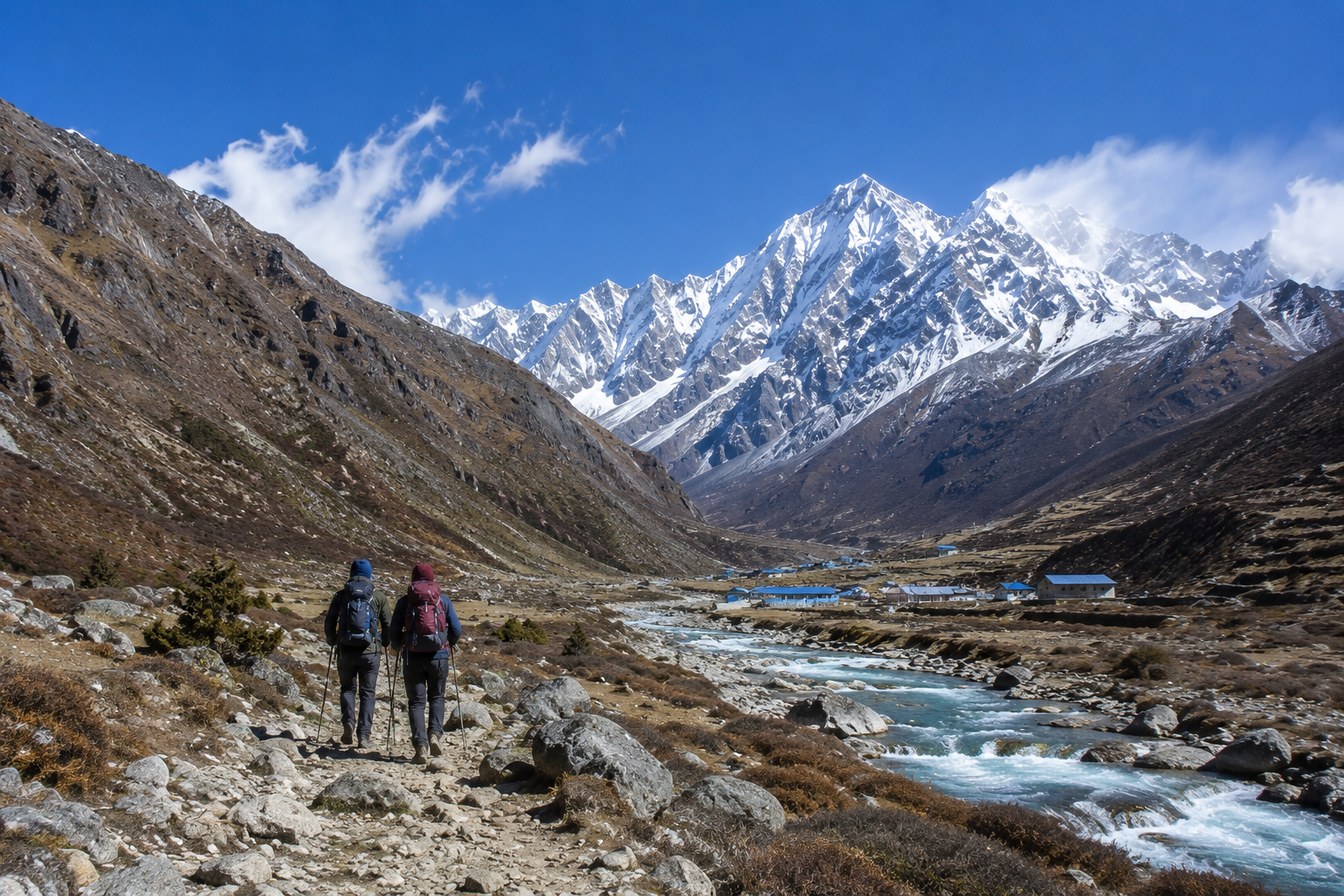
Nestled just north of Kathmandu and bordering Tibet, the Langtang Valley Trek is one of Nepal's most rewarding yet underrated trekking experiences. Often overshadowed by the Everest and Annapurna regions, Langtang offers an equally spectacular Himalayan adventure while providing a quieter and more intimate connection with nature and local culture. Its close proximity to the capital makes it an excellent choice for travelers who want to experience the grandeur of the Himalayas without undertaking a lengthy expedition.
The journey begins with a scenic drive from Kathmandu to Syabrubesi, a small village that serves as the gateway to Langtang National Park. From here, the trail follows the Langtang Khola River through dense forests filled with oak, bamboo, pine, and rhododendron trees. The peaceful atmosphere of the region allows trekkers to enjoy the sounds of flowing rivers, birdsong, and the occasional sighting of wildlife such as Himalayan black bears, red pandas, langur monkeys, and Himalayan tahrs, all of which inhabit the protected national park.
As the trek progresses, the valley gradually opens into expansive alpine meadows surrounded by towering snow-covered peaks. One of the most inspiring aspects of the Langtang Valley Trek is witnessing the resilience of its local communities. Following the devastating earthquake of 2015, many villages were rebuilt with determination and care, welcoming trekkers once again while preserving their rich Tamang heritage. Walking through these villages provides a unique opportunity to learn about traditional mountain lifestyles, Tibetan Buddhist customs, and centuries-old cultural practices that continue to shape everyday life in the Himalayas.
The cultural influence of Tibet becomes increasingly evident as trekkers approach Kyanjin Gompa, the final settlement along the trail. Prayer wheels, stone mani walls, colorful monasteries, and fluttering prayer flags create a peaceful atmosphere against a backdrop of towering glaciers and rugged mountain peaks. Kyanjin Gompa also serves as the base for several rewarding day hikes, the most popular being the climb to Kyanjin Ri. Although steep, the ascent rewards trekkers with breathtaking panoramic views of Langtang Lirung, Dorje Lakpa, Yala Peak, and countless surrounding Himalayan summits.
Another fascinating attraction in the valley is the traditional yak cheese factory, where visitors can sample locally produced Himalayan cheese made using traditional methods that have been practiced for generations. Combined with the region's peaceful trails and welcoming communities, this unique cultural experience makes Langtang far more than simply a mountain trek.
Accommodation along the Langtang route consists of comfortable tea houses operated by local families. While facilities remain simple, they provide warm meals, clean rooms, and genuine hospitality that reflects the kindness of the local people. The trek usually requires between seven and ten days, making it one of Nepal's best options for travelers seeking a rewarding Himalayan adventure within a shorter timeframe.
Trek Highlights:
- Explore the beautiful Langtang Valley
- Visit the ancient monastery at Kyanjin Gompa
- Hike to Kyanjin Ri for panoramic Himalayan views
- Experience authentic Tamang culture and Tibetan traditions
- Visit the famous Himalayan yak cheese factory
- Trek through Langtang National Park, home to diverse wildlife
- Enjoy spectacular views of Langtang Lirung, Yala Peak, and surrounding glaciers
The Langtang Valley Trek is ideal for travelers looking for a quieter alternative to Nepal's more famous trekking regions. It combines breathtaking mountain scenery, rich cultural experiences, abundant wildlife, and convenient accessibility into one unforgettable Himalayan adventure.
5. Manaslu Circuit Trek
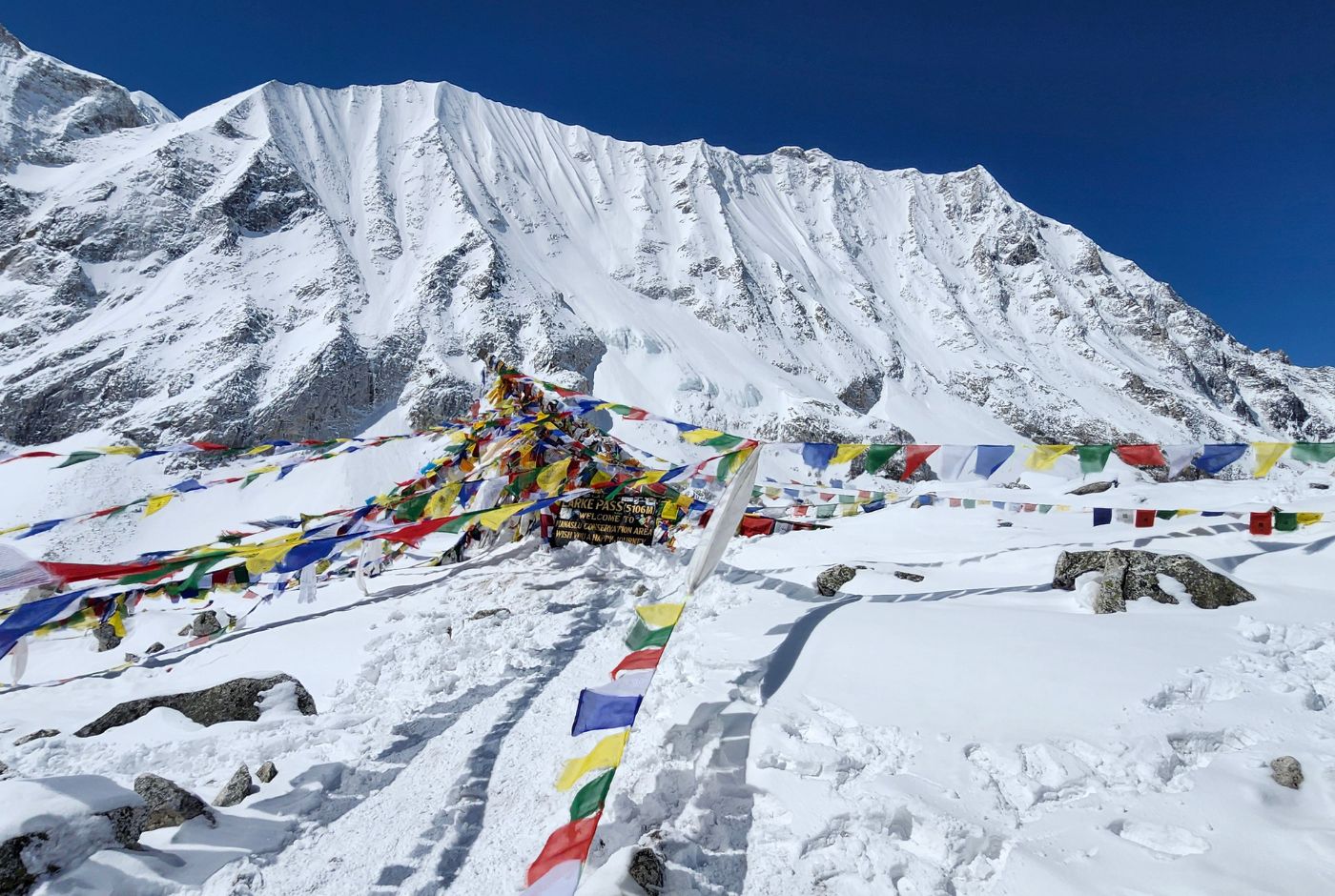
For trekkers searching for an adventure that feels truly untouched, the Manaslu Circuit Trek offers one of Nepal's most authentic Himalayan experiences. Circling Mount Manaslu, the world's eighth-highest mountain at 8,163 meters, this remarkable journey takes visitors through remote valleys, traditional Tibetan villages, dense forests, glacial rivers, and one of the Himalayas' most dramatic mountain passes. Although the Manaslu region has steadily grown in popularity, it remains far less crowded than Everest and Annapurna, preserving a sense of wilderness that many experienced trekkers seek.
The trek begins in the lower hills of western Nepal, where lush subtropical forests and terraced farmland dominate the landscape. During the first few days, trekkers cross numerous suspension bridges over the roaring Budhi Gandaki River while passing through traditional Gurung villages. As the trail gradually climbs into higher elevations, the scenery transforms dramatically. Dense forests give way to alpine landscapes, while Buddhist monasteries, mani walls, and intricately carved prayer stones reveal the region's deep Tibetan cultural heritage.
One of the defining characteristics of the Manaslu Circuit is its remarkable cultural authenticity. Many villages remain largely untouched by modernization, allowing visitors to experience daily life much as it has existed for centuries. Local people continue to practice Tibetan Buddhism, and ancient monasteries serve as important spiritual centers where colorful prayer flags dance in the mountain winds beneath towering Himalayan peaks.
The journey reaches its greatest challenge at Larkya La Pass, standing at an impressive altitude of 5,106 meters. Crossing the pass requires an early morning start, but every step is rewarded by breathtaking panoramic views of Mount Manaslu, Himlung Himal, Cheo Himal, Kang Guru, and Annapurna II. The dramatic descent from the pass offers equally spectacular scenery, with glaciers, snowfields, and rugged mountain landscapes stretching as far as the eye can see.
Unlike more commercial trekking regions, the Manaslu Circuit retains a peaceful atmosphere throughout the journey. Trekkers often spend hours walking without encountering large crowds, allowing them to fully appreciate the tranquility of the surrounding wilderness. This sense of solitude, combined with the region's extraordinary mountain scenery and cultural richness, has made Manaslu one of Nepal's fastest-growing trekking destinations among experienced adventurers.
Accommodation along the route consists primarily of traditional tea houses that have gradually improved in comfort while maintaining their authentic mountain character. Although facilities remain more basic than those found in Everest or Annapurna, they provide everything necessary for a comfortable trekking experience, including hearty meals, warm drinks, and friendly hospitality.
Because the Manaslu region is classified as a restricted area, trekking regulations require visitors to travel with a licensed guide and obtain special permits. These regulations help protect the region's unique cultural heritage while supporting sustainable tourism practices.
Trek Highlights:
- Cross the breathtaking Larkya La Pass (5,106 m)
- Trek around Mount Manaslu, the world's eighth-highest mountain
- Experience authentic Tibetan Buddhist culture
- Visit centuries-old monasteries and traditional mountain villages
- Walk through remote valleys with fewer crowds
- Enjoy spectacular glacier and Himalayan landscapes
- Experience one of Nepal's finest wilderness trekking adventures
The Manaslu Circuit Trek is best suited for experienced trekkers or adventurous travelers seeking a quieter alternative to Nepal's more popular trekking routes. Its combination of remote landscapes, cultural authenticity, and challenging mountain terrain creates an unforgettable journey that many consider Nepal's hidden Himalayan masterpiece.
Best Time to Trek in Nepal in 2026
One of the reasons Nepal remains a year-round trekking destination is the variety of climates found across the country. However, choosing the right season can significantly enhance your trekking experience by providing better weather, clearer mountain views, and more comfortable trail conditions.
Spring, which runs from March to May, is widely regarded as one of the finest times to trek in Nepal. During these months, the hillsides come alive with blooming rhododendron forests, creating vibrant landscapes beneath snow-covered peaks. Temperatures remain comfortable, the days are generally clear, and the mountain scenery is at its most colorful. Spring is particularly popular for the Everest Base Camp Trek, Annapurna Base Camp Trek, and Langtang Valley Trek.
Autumn, from September to November, is considered the peak trekking season. After the monsoon rains clear the atmosphere, the Himalayas appear exceptionally crisp and majestic. Stable weather, excellent visibility, and mild daytime temperatures make autumn the preferred choice for most trekkers. Although trails can be busier during this period, the spectacular mountain views and festive atmosphere in local villages make it well worth the visit.
Winter trekking, between December and February, offers quieter trails and peaceful surroundings. While lower-altitude routes remain accessible, heavy snowfall can make high mountain passes such as Thorong La and Larkya La more challenging. Trekkers who enjoy solitude and are well prepared for cold conditions may find winter to be an incredibly rewarding time to explore Nepal.
The summer monsoon season, from June to August, brings frequent rainfall to much of the country. While trekking conditions become more difficult in popular regions such as Everest and Annapurna, rain-shadow areas like Upper Mustang and Upper Dolpo continue to offer excellent trekking opportunities during this period.
Permits Required for Trekking
Before beginning any trek in Nepal, travelers must obtain the necessary permits. These permits help protect national parks, conservation areas, and local communities while supporting sustainable tourism initiatives.
The Everest Base Camp Trek requires the Sagarmatha National Park Entry Permit and the Khumbu Pasang Lhamu Rural Municipality Permit. Trekkers visiting the Annapurna region generally need the Annapurna Conservation Area Permit (ACAP), while the Langtang Valley Trek requires the Langtang National Park Entry Permit.
The Manaslu Circuit Trek has additional requirements because it is a restricted area. In addition to the Manaslu Conservation Area Permit and the Annapurna Conservation Area Permit, trekkers must obtain a Restricted Area Permit and travel with a licensed guide through a registered trekking agency. These regulations help preserve the region's unique cultural and environmental heritage while ensuring visitor safety.
As trekking regulations may change over time, it is always advisable to confirm the latest permit requirements before traveling to Nepal.
Accommodation and Food During the Trek
One of the unique aspects of trekking in Nepal is the extensive network of tea houses that line the major trekking routes. These family-run lodges provide comfortable accommodation, freshly prepared meals, and an opportunity to experience genuine Nepalese hospitality. While facilities become simpler at higher elevations, most tea houses offer clean rooms, warm blankets, dining areas heated by traditional stoves, and charging facilities for electronic devices.
Meals are designed to provide the energy needed for long days of trekking. Dal Bhat, Nepal's traditional meal consisting of rice, lentil soup, seasonal vegetables, and curry, remains the most popular choice because it is nutritious, filling, and often comes with unlimited refills. Visitors will also find a variety of international dishes, including noodles, fried rice, pasta, soups, pancakes, eggs, potatoes, and freshly baked bread. Hot drinks such as tea, coffee, hot chocolate, and ginger lemon honey are widely available and become especially welcome in the colder mountain regions.
Essential Packing Guide
Preparing properly is one of the most important aspects of a successful trekking adventure in Nepal. Mountain weather can change rapidly, making layered clothing essential for comfort and safety. Moisture-wicking base layers, insulated jackets, waterproof outerwear, quality trekking boots, warm gloves, hats, and thermal clothing should all be included in your packing list.
Additional essentials include trekking poles, sunglasses with UV protection, sunscreen, reusable water bottles, water purification tablets, a headlamp, power bank, first-aid kit, personal medications, and a sleeping bag suitable for sub-zero temperatures. Packing wisely not only improves comfort but also helps reduce the physical strain of carrying unnecessary weight.
Which Trek Is Right for You?
Every trekking destination in Nepal offers a unique experience, and the best choice ultimately depends on your interests, fitness level, and the amount of time you have available.
If standing beneath the world's highest mountain has always been your dream, the Everest Base Camp Trek provides an unforgettable combination of spectacular scenery, Sherpa culture, and personal achievement. Travelers looking for the greatest diversity of landscapes and cultures often find the Annapurna Circuit Trek to be the perfect choice. Those with limited time who still want an immersive Himalayan experience will appreciate the Annapurna Base Camp Trek, while visitors seeking quieter trails and authentic local culture should consider the Langtang Valley Trek.
For experienced trekkers who value remote wilderness, fewer crowds, and challenging mountain terrain, the Manaslu Circuit Trek offers one of Nepal's most rewarding adventures.
Regardless of which route you choose, every trek provides an opportunity to experience Nepal's extraordinary hospitality, breathtaking landscapes, and timeless mountain traditions.
Final Thoughts
Nepal continues to inspire travelers with its unmatched combination of natural beauty, cultural richness, and world-class trekking experiences. From the legendary trails leading to Everest Base Camp to the peaceful valleys of Langtang and the untouched wilderness surrounding Mount Manaslu, each destination offers something truly unique. Trekking in Nepal is not simply about reaching a destination; it is about embracing the journey, connecting with local communities, and creating memories that last a lifetime.
As 2026 welcomes another exciting trekking season, there has never been a better time to explore the Himalayas. Improved infrastructure, experienced local guides, and a growing commitment to sustainable tourism make Nepal more accessible than ever while preserving the authentic experiences that travelers cherish.
Whether you are planning your first Himalayan adventure or returning to discover a new region, Nepal promises breathtaking scenery, warm hospitality, and unforgettable moments at every step of the trail. With careful preparation and the right itinerary, your trekking journey in Nepal could become one of the most rewarding travel experiences of your life.
Frequently Asked Questions
Which is the best trekking destination in Nepal for beginners?
The Annapurna Base Camp Trek and Langtang Valley Trek are excellent choices for beginners because they offer moderate difficulty, comfortable tea house accommodation, and spectacular Himalayan scenery without requiring extremely high altitudes.
What is the best month to trek in Nepal?
October is generally considered the best month for trekking due to its stable weather, clear mountain views, and pleasant temperatures. April is another excellent choice, especially for those who want to see blooming rhododendron forests.
Do I need a guide to trek in Nepal?
Many trekking regions now require trekkers to be accompanied by a licensed guide, and restricted areas such as Manaslu legally require one. Hiring a guide also enhances safety, supports local communities, and provides valuable cultural insights throughout the journey.
How fit do I need to be for trekking in Nepal?
Most popular treks require a reasonable level of cardiovascular fitness and the ability to walk for several hours each day. With proper preparation, even first-time trekkers can successfully complete many of Nepal's classic routes.
How far in advance should I book my trek?
For the popular spring and autumn seasons, booking at least two to four months in advance is recommended to secure preferred accommodations, domestic flights, and experienced guides.
Recent Post
-
Festivals and Cultural Highlights of Nepal – A Celebration of Devotion and Diversity
Tourism In Nepal -
A Guide to Responsible Trekking: Leave No Trace in Nepal
Trekking Tips -
Top 10 Trekking Routes in Nepal for 2025
Trekking Tips -
Everest Base Camp vs Annapurna Base Camp Trek | Which is Best for You?
Tourism In Nepal -
What It Feels Like to Reach Annapurna Base Camp | Real Trek Experience
Trekking Tips -
Langtang Valley Trek in 2026 | Complete Travel Guide
Trekking Tips -
Save The Himalaya
Trekking Tips -
Discover the majestic Annapurna Region: A Trekker's Paradise
Trekking Tips -
Adventures Beyond the Summit: Things to Do on Mount Everest
Trekking Tips -
Trek To Everest Region
Trekking Tips
Associated and certified