+977 9868136870 (Shankar) Mail Us | Make an Enquiry
Trekking in Nepal After the Recent Floods | 2026 Safety Guide
Trekking in Nepal After the Recent Floods: What Trekkers Need to Know in 2026
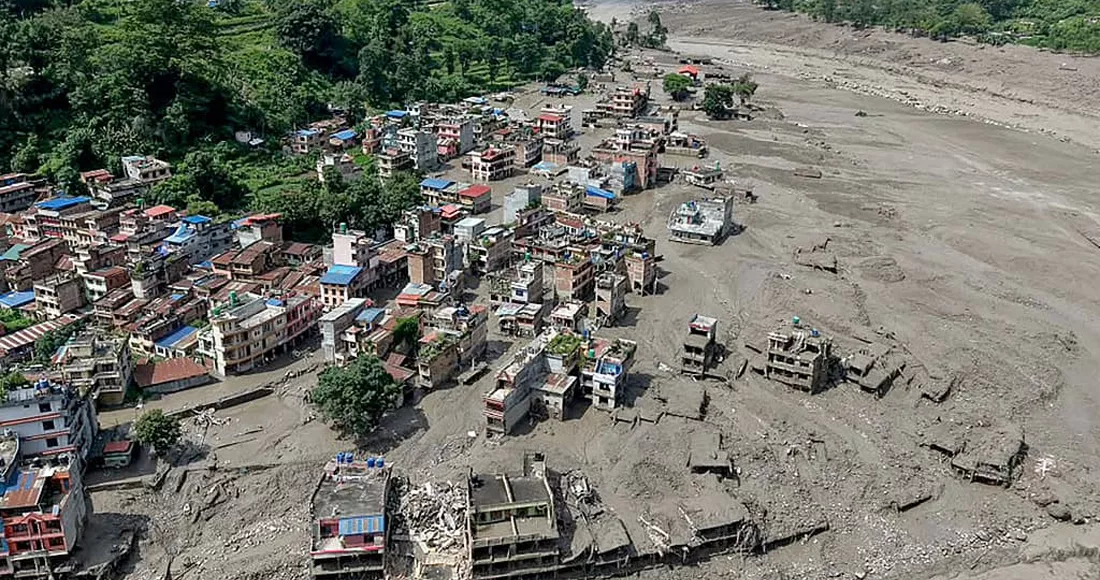
Nepal is known around the world for its Himalayan landscapes, mountain villages, ancient cultures, and unforgettable trekking experiences. From Everest Base Camp and Annapurna Base Camp to Manaslu, Langtang, and the remote trails of western Nepal, trekking is an important part of Nepal's tourism industry.
However, the recent floods and landslides in parts of Nepal have raised understandable concerns among travelers planning to visit the country.
The most important thing to understand is that Nepal's recent flood disaster did not affect every trekking region in the same way. The most severe damage occurred along particular river corridors, especially around the Rasuwa and Trishuli areas. Several major trekking destinations are located in different parts of the country and have not been directly affected by the disaster.
So, can you still trek in Nepal after the recent floods?
In many cases, yes—but trekking plans should be based on the specific destination, access route, weather conditions, and latest local information, rather than assuming that all of Nepal is either open or closed.
What Happened During the Recent Floods in Nepal?
On August 26, 2026, severe flooding and landslides affected parts of northern and central Nepal. The disaster caused extensive damage to communities, roads, infrastructure, and hydropower facilities, particularly around the Trishuli and Bhote Koshi river corridors.
The situation has understandably received international attention, and many travelers have become concerned about visiting Nepal during the upcoming autumn trekking season.
But Nepal is geographically diverse. A flood affecting one river corridor does not automatically mean that trekking trails across the entire Himalayan region are unsafe or inaccessible.
This distinction is particularly important for travelers considering destinations such as Everest and Annapurna, which are located away from the most severely affected areas. Recent route updates indicate that several major trekking regions remain operational, although access conditions can change and should be checked before departure.
Is Nepal Safe for Trekking After the Floods?
The answer depends on where you are planning to trek. Rather than asking whether "Nepal is safe," it is more useful to ask:
Is my specific trekking route safe and accessible right now?
This is because conditions can vary significantly from one region to another.
Current updates indicate that popular destinations such as the Everest and Annapurna regions remain among the major trekking areas that can be visited, while some routes affected by infrastructure damage require alternative access arrangements or temporary postponement.
Travelers should therefore avoid making decisions based only on social media posts, old photographs, or headlines about the overall flood situation.
Which Trekking Regions Are Open?
Everest Region
The Everest region is geographically separate from the main flood-affected Trishuli and Bhote Koshi corridors.
Popular routes such as:
- Everest Base Camp Trek
- Everest View Trek
- Gokyo Valley Trek
- Everest Three Passes Trek
continue to be listed among the trekking areas that can operate, subject to normal mountain-weather and route conditions.
For trekkers dreaming of standing beneath Mount Everest, the recent flooding does not automatically mean that an Everest trek must be cancelled.
However, transportation schedules and weather conditions should always be checked shortly before departure.
Annapurna Region
The Annapurna region is another major trekking destination outside the directly affected flood corridor.
Popular routes include:
- Annapurna Base Camp Trek
- Annapurna Circuit Trek
- Ghorepani Poon Hill Trek
- Mardi Himal Trek
- Tilicho Lake Trek
Recent trekking updates continue to identify the Annapurna region as accessible for the autumn season, although road conditions and transportation between Kathmandu and Pokhara may require additional planning.
For travelers who have already planned an Annapurna trek, there may be no reason to cancel simply because of the flood reports elsewhere in Nepal.
What About Langtang Valley?
Langtang requires more careful consideration. The Langtang region is closer to the areas affected by the recent disaster, particularly around Rasuwa and the access corridor toward Syabrubesi.
As a result, travelers should not assume that the normal access route is operating exactly as it did before the floods.
Current updates indicate that alternative access arrangements may be necessary for some Langtang-related itineraries, while official and local route information continues to develop.
If you are planning a Langtang Valley, Gosaikunda, or nearby trek, speak with your trekking agency or guide and obtain the latest route information before traveling.
Other Trekking Regions in Nepal
One of Nepal's greatest advantages is the variety of trekking destinations available across the country.
Recent regional assessments indicate that several trekking areas—including parts of the Everest, Annapurna, Kanchenjunga, Makalu, Dolpo, Rara, and other regions—are outside the main flood-affected corridor.
This means travelers may still have a wide range of trekking options.
However, "open" should not be interpreted as "conditions are guaranteed."
Mountain environments can change quickly because of rainfall, landslides, snowfall, road conditions, and local weather. A route that is accessible today can experience changes tomorrow.
That is why responsible trekking operators continue to check conditions before each departure.
What Should Trekkers Do Before Traveling to Nepal?
If you are planning a trek in Nepal after the recent floods, a little additional preparation can make your trip safer and more comfortable.
1. Check Your Exact Trekking Route
Do not rely only on general statements such as "Nepal is safe" or "Nepal is affected." Check your specific trekking region, road access, flights, trail conditions, and accommodation availability.
2. Follow Official Updates
Conditions can change quickly after a major natural disaster. Check updates from the Nepal Tourism Board, local authorities, trekking associations, and your trekking company before departure. The Nepal Tourism Board is publishing situation updates for different trekking regions.
3. Choose a Responsible Trekking Agency
A reliable trekking company should be able to explain the current condition of your route and provide alternatives if necessary. They should also communicate honestly rather than promising that every trail is operating normally.
4. Allow Some Flexibility
After a major weather event, transportation can take longer than expected. If your itinerary allows it, keeping one or two flexible days can make your trip much easier if flights, roads, or local transportation are delayed.
5. Listen to Your Guide
Local guides are familiar with changing mountain conditions and can communicate with people along the route. If your guide recommends changing an itinerary because of weather or trail conditions, take that advice seriously.
Is It Still Worth Trekking in Nepal This Autumn?
For many travelers, yes. Nepal's mountains, villages, culture, and trekking communities continue to welcome visitors. At the same time, it is important to recognize the communities that have been affected by the floods and to travel responsibly.
Tourism is an important source of income for guides, porters, teahouses, transportation providers, restaurants, hotels, and many small businesses across Nepal.
When travelers visit destinations that are operating safely, they help support the local tourism economy and the people whose livelihoods depend on it.
But responsible tourism does not mean ignoring the situation. It means choosing the right destination, checking current conditions, respecting local advice, and traveling with proper preparation.
Traveling Responsibly After the Floods
The recent disaster is a reminder that Nepal's mountain environment is beautiful but also fragile.
Trekkers can contribute positively by:
- Supporting locally owned hotels, teahouses, and businesses.
- Hiring licensed local guides and porters.
- Avoiding unnecessary travel into disaster-affected areas.
- Respecting temporary closures and local instructions.
- Avoiding misinformation on social media.
- Carrying reusable water bottles and minimizing waste.
- Being patient when transportation or services are affected.
- Supporting local communities through responsible tourism.
Your trip should not become an additional burden for communities that are still recovering.
Should You Cancel Your Nepal Trek?
There is no single answer for every traveler. If your trek passes through an area directly affected by flooding or damaged infrastructure, postponing or changing your itinerary may be the responsible choice.
If your planned trek is in a region currently operating normally and the access route has been confirmed, there may be no need to cancel simply because you have seen images of flooding elsewhere in Nepal.
The key is route-specific information.
For example, the situation around Langtang and Rasuwa needs to be considered differently from trekking in the Everest or Annapurna regions.
Nepal Is More Than One Trekking Route
One of the most important things travelers should remember is that Nepal is not a single trekking destination.
It is a country of diverse landscapes stretching from the lowland Terai to the high Himalayas.
A disaster in one region does not mean that every mountain trail, village, hotel, and trekking route across the country has been affected.
The current situation should therefore encourage better planning—not unnecessary fear.
If you are planning to visit Nepal this autumn, check the latest information, choose your route carefully, stay flexible, and travel responsibly.
Frequently Asked Questions
Is Nepal safe for trekking after the recent floods?
Many major trekking regions remain accessible, but safety depends on the specific route and current conditions. Travelers should check the latest official and local information before departure.
Can I still do the Everest Base Camp Trek?
Current route updates indicate that the Everest region remains open for trekking. Travelers should still confirm flight, weather, and trail conditions before departure.
Can I trek in the Annapurna region after the floods?
Yes. Recent updates indicate that major Annapurna routes remain operational, although transportation conditions may require additional planning.
Is Langtang Valley Trek open?
Langtang requires more careful route planning because the Rasuwa and access corridors were affected. Check the latest official and local information before booking or departing.
Should I postpone my Nepal trip?
Not necessarily. The decision should be based on your specific destination, transportation route, current weather, and official travel information rather than the overall flood situation in Nepal.
Final Thoughts
The recent floods have caused real hardship for many communities in Nepal, and the recovery process will take time. At the same time, it is important not to treat the entire country as if it has been affected equally.
For trekkers, the best approach is simple:
Check the route. Check the latest conditions. Listen to local experts. Travel responsibly.
Nepal's mountains continue to stand, its trekking communities continue to work, and many of its famous trails remain open to travelers.
If you are planning a Himalayan adventure in 2026, choose your route carefully and stay informed. A responsible journey can allow you to experience the beauty of Nepal while also supporting the communities that make trekking here so special.
Nepal is ready to welcome responsible travelers—but informed travel matters more than ever.
Recent Post
-

Festivals and Cultural Highlights of Nepal – A Celebration of Devotion and Diversity
Tourism In Nepal -
A Guide to Responsible Trekking: Leave No Trace in Nepal
Trekking Tips -
Top 10 Trekking Routes in Nepal for 2025
Trekking Tips -
Mardi Himal Trek 2026: Complete Guide, Cost & Itinerary
Tourism In Nepal -
Everest Base Camp vs Annapurna Base Camp Trek | Which is Best for You?
Tourism In Nepal -
Bhaktapur Durbar Square Day Tour | Complete Travel Guide
Trekking Tips -
Trekking in Nepal After the Recent Floods | 2026 Safety Guide
Trekking Tips -
Save The Himalaya
Trekking Tips -
Discover the majestic Annapurna Region: A Trekker's Paradise
Trekking Tips -
Adventures Beyond the Summit: Things to Do on Mount Everest
Trekking Tips
Associated and certified