+977 9868136870 (Shankar) Mail Us | Make an Enquiry
What to Expect While Visiting Nepal in 2026 | Complete Travel Guide
What to Expect While Visiting Nepal in 2026
Visiting Nepal in 2026 is more than just reaching a destination. It’s about entering a vibrant landscape of mountains, cultures, spirituality, and evolving travel experiences. As global travel shifts toward meaningful, experience-focused journeys, Nepal stands out as a place where ancient traditions and modern tourism meet. Whether you're attracted by the Himalayas, cultural heritage, spiritual depth, or adventure, Nepal in 2026 offers a richer travel experience than ever before.
Nepal’s Travel Landscape in 2026
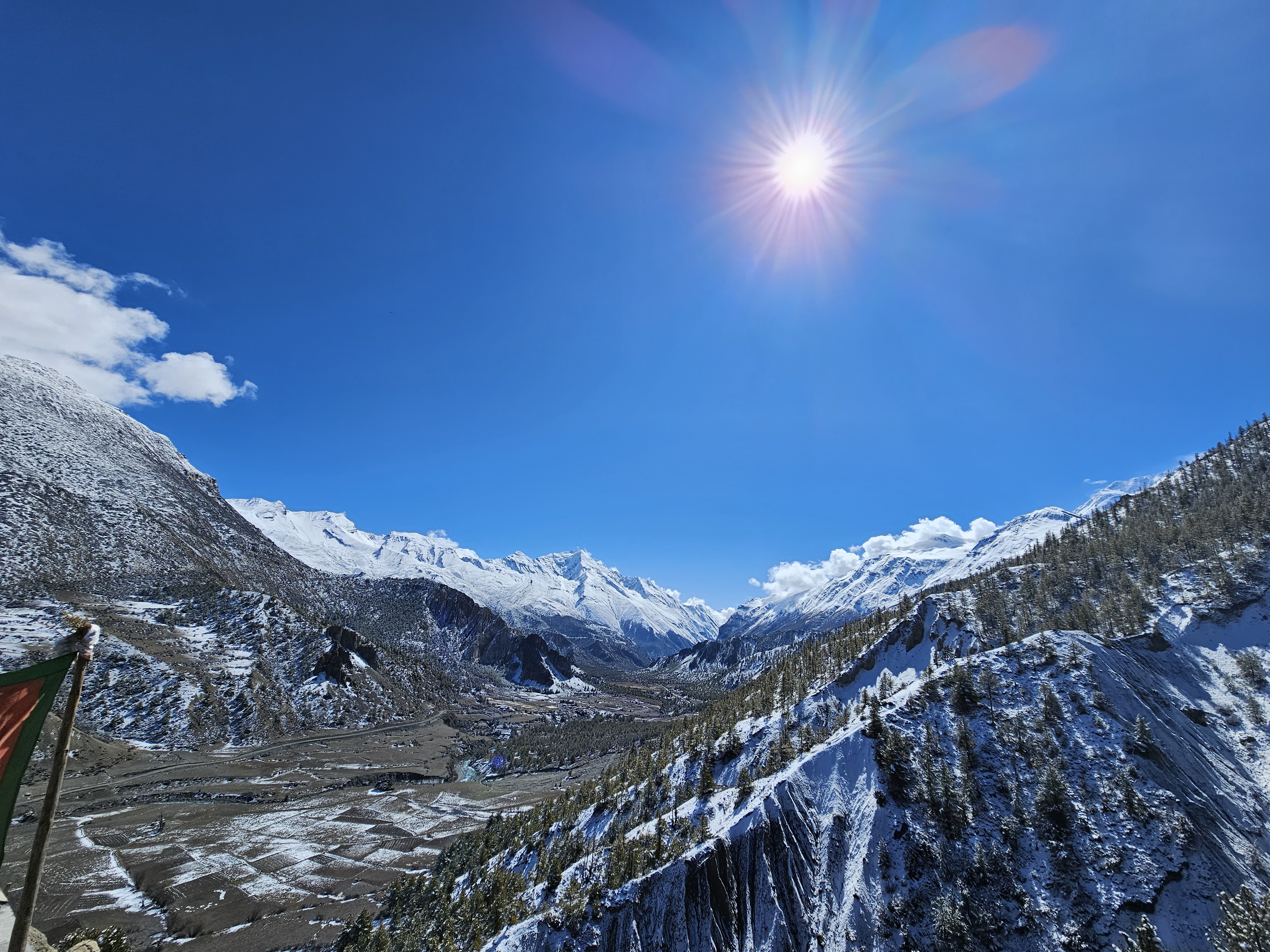
By 2026, Nepal’s tourism sector shows steady recovery and careful growth. Improvements in infrastructure, better roads, upgraded airports, and a focus on sustainable tourism have changed how travelers experience the country. While Nepal still holds its raw charm and unpredictability, which adds to its appeal, traveling has become more organized, accessible, and friendly for visitors.
Tourism authorities and local communities now emphasize responsible travel. Eco-friendly lodges, community-based tourism, and trekking policies focused on conservation are increasingly prominent, allowing visitors to make positive contributions while exploring.
Entry Requirements and Visas in 2026
Nepal remains one of the most accessible spots in South Asia. Most international travelers can get a visa on arrival, with choices for 15, 30, or 90 days. Many now use digital visa pre-application systems to speed up processing at the airport.
Typically required are passport validity, return tickets, and proof of accommodation. Travelers are encouraged to keep both digital and printed copies of important documents. While regulations may shift slightly, Nepal continues to welcome tourists with flexible entry policies compared to many other places.
Cultural Experiences and Local Etiquette
Nepal’s cultural richness is still one of its main attractions in 2026. The country hosts numerous ethnic groups, languages, and traditions, each adding depth to the travel experience. From the Newar heritage in the Kathmandu Valley to Tibetan-influenced cultures in the high Himalayas and Tharu communities in the lowlands, the cultural diversity is woven into daily life.
Festivals like Dashain, Tihar, Holi, Buddha Jayanti, and Indra Jatra shape the yearly rhythm. In 2026, travelers can look forward to organized cultural experiences, including heritage walks, local homestays, and guided festival tours, all while maintaining authenticity.
Respecting local customs is important. Wearing modest clothing in temples, removing shoes before entering homes or sacred spaces, and being mindful in rural villages are still expected and appreciated.
Trekking and Adventure Tourism Expectations
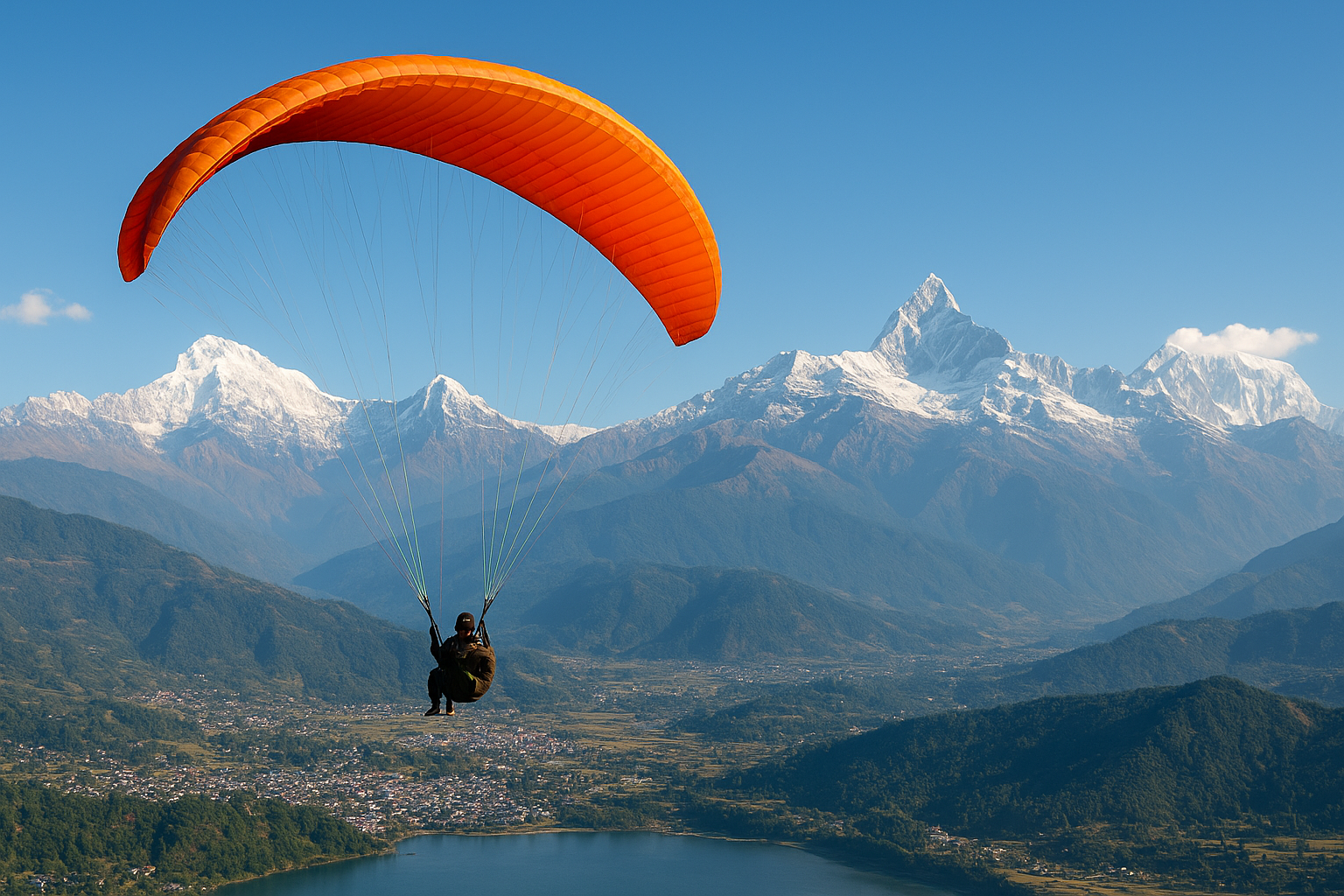
Nepal in 2026 remains a top adventure destination. Trekking paths like the Annapurna Circuit, Everest Base Camp, Manaslu, and Langtang continue to lure trekkers from all over. What has changed is the greater focus on safety, sustainability, and regulation.
Trekkers can look forward to better-marked trails, improved teahouse facilities, and more trained local guides. Permit systems are more streamlined, and certain areas now require guides to enhance safety and support the local job market.
Adventure activities like paragliding in Pokhara, white-water rafting, jungle safaris in Chitwan and Bardia, and mountain biking in mid-hill regions are increasingly professional, meeting international safety standards without losing their thrill.
Cities vs Rural Nepal
Urban Nepal in 2026 offers a more modern view. Kathmandu has improved traffic management, a growing café scene, and expanding spaces for creativity, while still holding onto its chaotic charm. Pokhara evolves as a relaxed adventure center, featuring lakeside resorts, spaces friendly to digital nomads, and stunning mountain views.
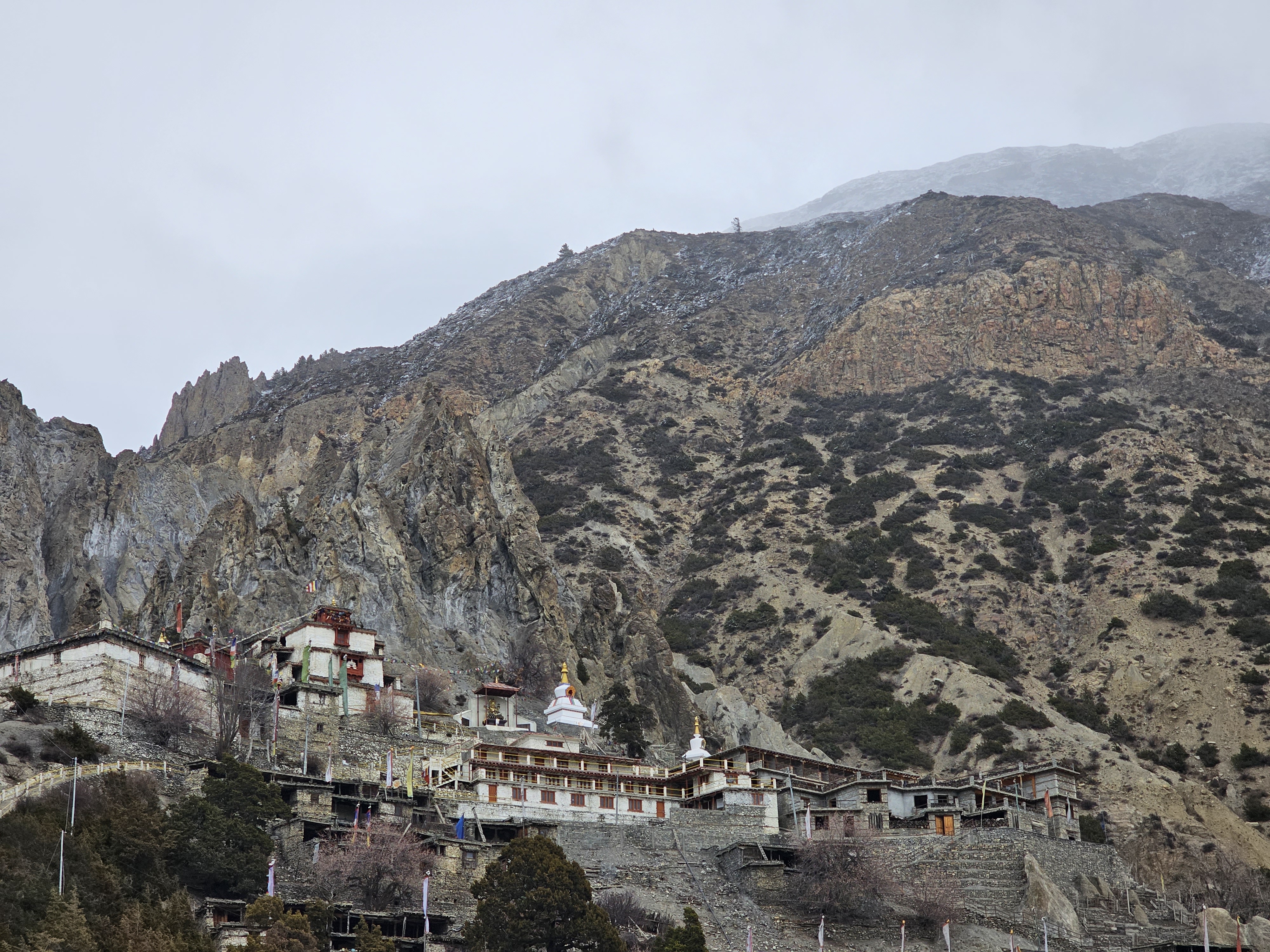
Meanwhile, rural Nepal remains deeply traditional. Visiting mountain villages or remote areas provides a slower pace of life, strong community ties, and landscapes unaffected by urban development. Roads and connectivity have improved, but visitors should still anticipate basic facilities in remote spots—part of what makes Nepal special.
Food Culture and Dining Experiences
Nepali cuisine in 2026 is earning more international recognition. Traditional meals like dal bhat stay central, but travelers can also enjoy Newari food, Himalayan Tibetan dishes, and regional specialties from various areas.
Urban centers now feature a diverse dining scene, including organic cafés, fusion restaurants, vegan menus, and locally sourced ingredients. Food hygiene standards continue to improve, but travelers are still advised to exercise caution in rural areas.
Accommodation Standards in 2026
Accommodation choices in Nepal have expanded greatly. Travelers can opt for budget hostels, traditional teahouses, boutique hotels, eco-lodges, or luxury resorts with views of the Himalayas. Sustainability plays a bigger role, with many accommodations focusing on renewable energy, waste reduction, and local hiring.
Teahouse trekking remains popular, offering basic yet comfortable lodging that encourages interaction with local hosts. In cities, international-standard hotels sit alongside charming heritage properties that showcase Nepal’s architectural traditions.
Transportation and Connectivity
Transportation in Nepal in 2026 is more reliable, but patience remains key. Domestic flights efficiently connect major regions, while road travel has improved with expanded highways and better-maintained routes.
Ride-sharing apps, tourist buses, and private vehicles are common in urban areas and popular tourist spots. Internet access is widely available, even in many trekking regions, so travelers can stay connected easily.
Costs and Budgeting in 2026
Nepal still offers great value. Although prices have risen slightly due to global inflation and tourism upgrades, the country remains affordable compared to many adventure destinations worldwide. Budget travelers, mid-range tourists, and luxury seekers can all find good options without sacrificing experience.
Digital payments are increasingly accepted in cities, though cash is still necessary in rural areas.
Safety, Health, and Responsible Travel
Nepal is generally safe for travelers in 2026, with low rates of violent crime. Common concerns include altitude sickness, road safety, and weather disruptions. Travel insurance that covers trekking and medical evacuation is strongly recommended.
Responsible travel is more vital than ever. Supporting local businesses, reducing plastic use, respecting wildlife, and following trekking guidelines help preserve Nepal for future generations.
Despite modernization, Nepal has not lost its essence. The warmth of its people, the grandeur of its landscapes, and the spiritual peace found in bustling cities and quiet mountain trails are unmatched. Visiting Nepal in 2026 means experiencing a country that is changing while staying true to its roots—an adventure that challenges, humbles, and inspires every traveler who arrives.
Recent Post
-
Mardi Himal Trek 2026: Complete Guide, Cost & Itinerary
Tourism In Nepal -
A Guide to Responsible Trekking: Leave No Trace in Nepal
Trekking Tips -

Festivals and Cultural Highlights of Nepal – A Celebration of Devotion and Diversity
Tourism In Nepal -
Top 10 Trekking Routes in Nepal for 2025
Trekking Tips -
Bhaktapur Durbar Square Day Tour | Complete Travel Guide
Trekking Tips -

Everest Base Camp vs Annapurna Base Camp Trek | Which is Best for You?
Tourism In Nepal -
Trekking in Nepal After the Recent Floods | 2026 Safety Guide
Trekking Tips -
Save The Himalaya
Trekking Tips -
Adventures Beyond the Summit: Things to Do on Mount Everest
Trekking Tips -
Discover the majestic Annapurna Region: A Trekker's Paradise
Trekking Tips
Associated and certified