+977 9868136870 (Shankar) Mail Us | Make an Enquiry
Why Travel Nepal in 2026 | Complete Nepal Tourism Guide 2026
Nepal has always been a unique spot on the global map, known for its towering Himalayas, rich cultures, and friendly hospitality. As we approach 2026, the country is entering an exciting new chapter in its tourism story. With major investments in infrastructure, renewed global interest in adventure and cultural travel, and a stronger focus on sustainability, Nepal is positioning itself as a top travel destination for the year. Whether you are visiting for the first time or returning, 2026 offers a chance to experience Nepal in a modern, more accessible way than ever before.
A New Era for Tourism
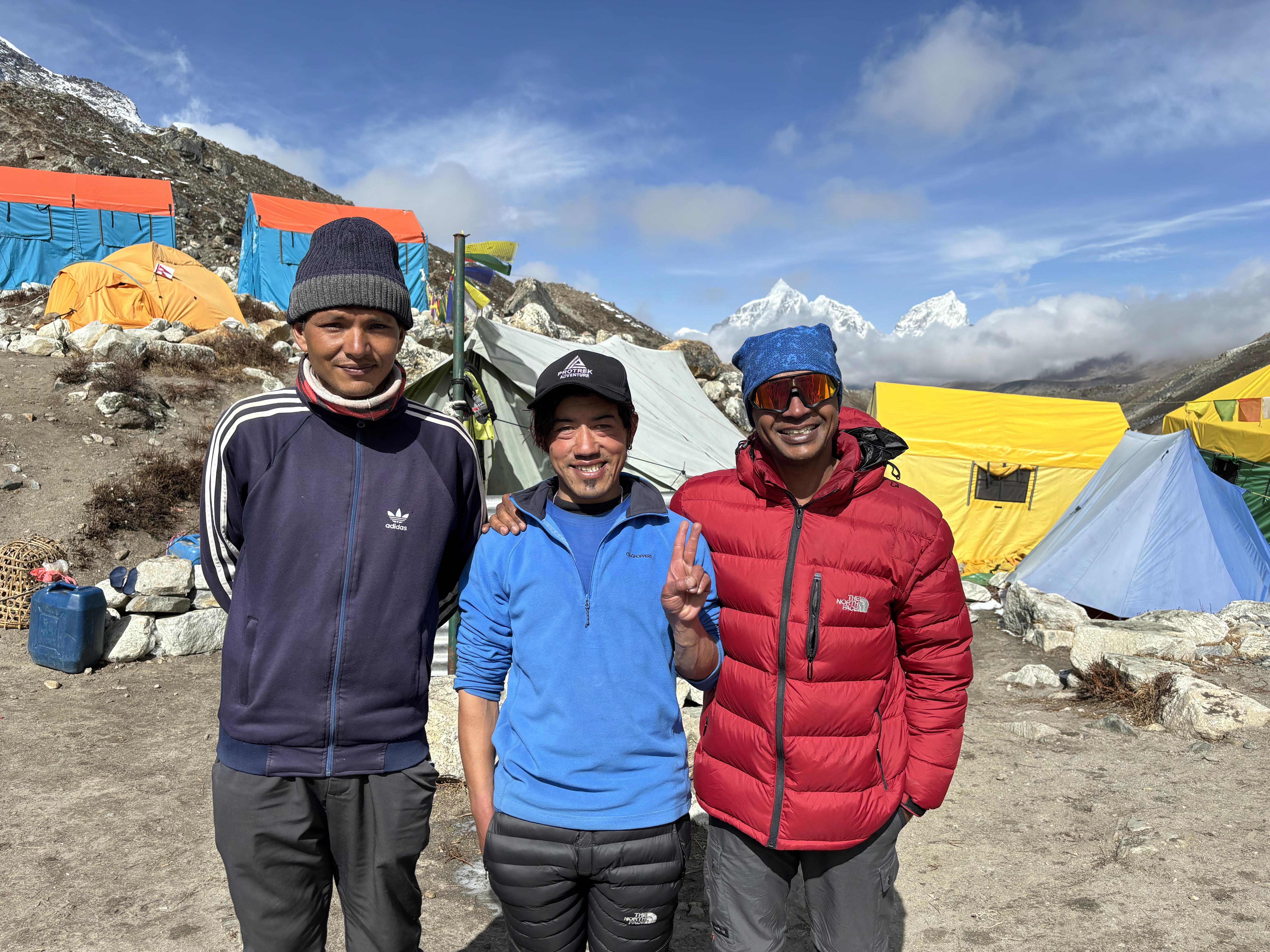
The years leading up to 2026 have seen a significant renewal in Nepal’s tourism. Travel infrastructure has improved, including upgrades to airports, expanded domestic flight routes, and better road connections to key tourist areas. These changes are making travel smoother and more efficient, cutting down on the long transit times that once posed challenges for visitors.
Accommodations across the country have also raised their standards. From boutique hotels in Kathmandu to eco-friendly lodges in remote mountain areas, Nepal now has a broader selection of places to stay for every type of traveler. This revival shows that the country is ready to welcome more international guests with an improved travel experience.
Trekking in 2026: Safer, Smoother, and More Diverse
Trekking has always been central to Nepal’s tourism identity, and 2026 promises an enhanced trekking experience. Popular routes like Everest Base Camp, Annapurna Base Camp, and Langtang have seen better trail conditions, clearer signage, and improved safety measures. More support teams, upgraded lodges, and better route monitoring are making treks safer and more comfortable.
At the same time, lesser-known trails are starting to attract attention. Routes such as Mardi Himal, Pikey Peak, Nar Phu Valley, and Khopra Ridge are now being promoted as options for travelers seeking quieter, more genuine mountain adventures. These paths offer stunning views, rich local cultures, and a closer connection to nearby communities. For many travelers, 2026 will be the perfect year to explore these emerging trails before they gain widespread popularity.
Expanding Adventure Beyond Trekking
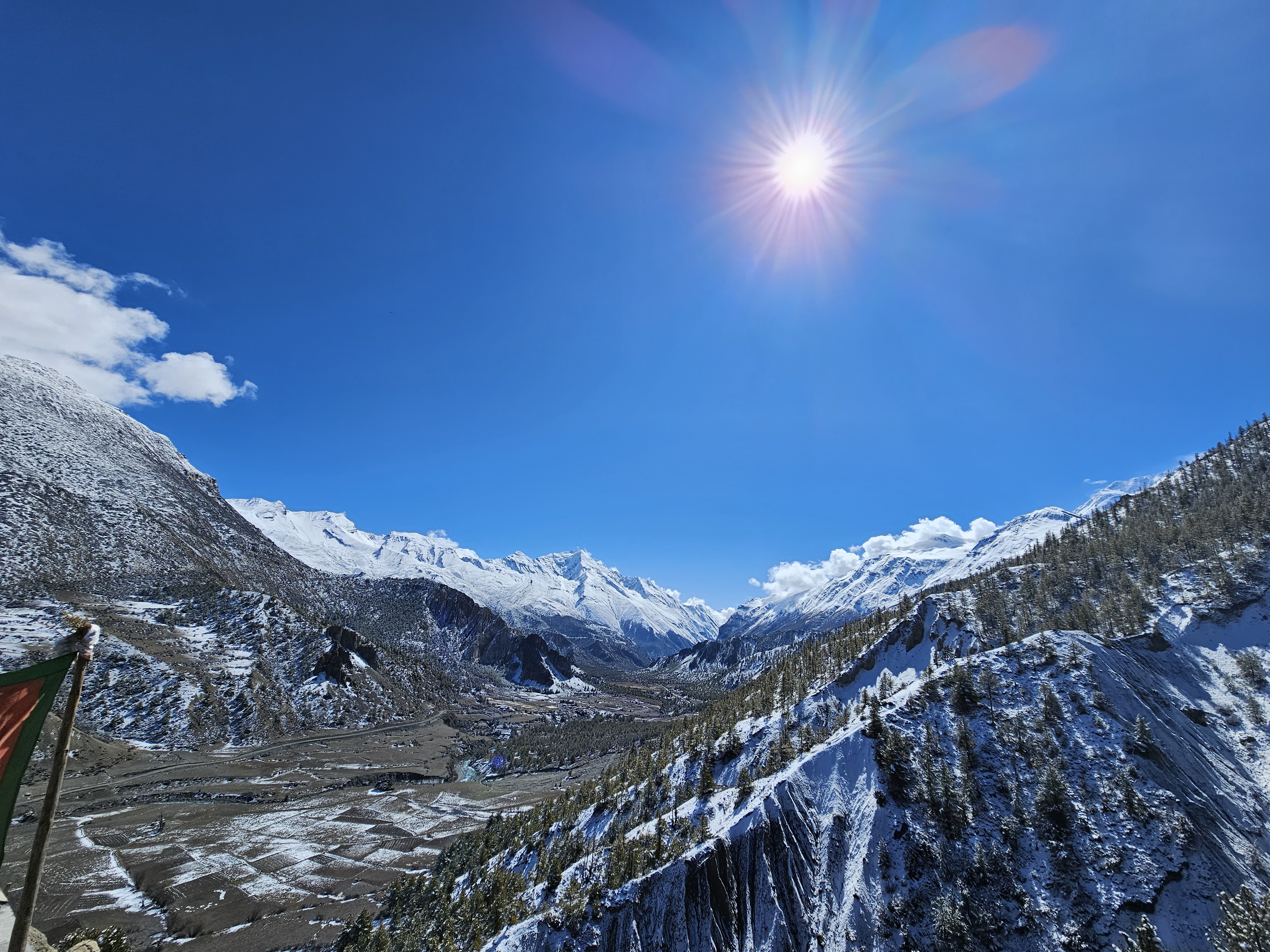
While trekking remains a main focus, Nepal is boosting its reputation as a multi-adventure destination. In 2026, visitors can look forward to easier access to activities like paragliding, white-water rafting, mountain biking, bungee jumping, and canyoning. Adventure hubs such as Pokhara, Sindhupalchok, Dolakha, and Mustang are improving their safety practices and professional training, ensuring visitors have high-quality adventure experiences.
Peak climbing is also becoming more organized, especially for mountains like Island Peak, Lobuche East, and Mera Peak. Better route planning, experienced guides, and improved climbing logistics are helping travelers tackle Himalayan challenges with confidence.
Cultural Immersion at Its Best
Cultural tourism will be key in 2026 as Nepal continues to restore its ancient heritage sites. Important places in Kathmandu Valley—like Kathmandu Durbar Square, Patan Durbar Square, Bhaktapur, Swayambhunath, Pashupatinath, and Boudhanath—have undergone extensive restoration that enhances the visitor experience. Travelers can explore historical alleyways, see traditional craftsmanship, and join guided tours that uncover the stories behind these cultural gems.
Outside the capital, rural cultural programs and homestays are growing in popularity. Communities in areas such as Mustang, Dolpa, Ilam, and Gorkha are opening their doors to travelers who want genuine, immersive experiences. This shift toward community-based tourism allows visitors to join in local traditions, farming, cooking, and cultural dances, creating meaningful connections that go beyond typical sightseeing.
Festivals and Celebrations That Bring Nepal to Life
The best way to experience the heartbeat of Nepal is through its festivals, and 2026 is set to showcase them in full color. Major celebrations like Dashain, Tihar, Holi, and Buddha Jayanti draw travelers eager to witness Nepal’s festive spirit. Local festivals such as Rato Machhindranath Jatra in Patan, Indra Jatra in Kathmandu, Chhath in the Terai, and many Newari cultural events are equally captivating. These celebrations transform towns with music, rituals, and processions, allowing travelers to engage deeply with Nepal’s vibrant traditions.
A Paradise for Wildlife Lovers
Travelers visiting Nepal in 2026 will find its national parks and wildlife reserves thriving. Places like Chitwan, Bardia, and Koshi Tappu continue to provide exceptional wildlife experiences, with increased sightings of one-horned rhinos, Bengal tigers, elephants, gharials, and diverse bird species. Safari lodges have upgraded their services to accommodate both luxury and budget travelers, making wildlife exploration more enjoyable and immersive.
Enhanced conservation efforts and responsible tourism practices are fostering healthier ecosystems, ensuring travelers can see Nepal’s rich biodiversity at its best.
The Growth of Luxury and Experiential Travel
One of the most significant changes in Nepal’s tourism scene is the rise of luxury travel. In 2026, visitors can expect premium helicopter tours to Everest Base Camp, Annapurna, Langtang, and Upper Mustang, providing unforgettable aerial views of the Himalayas. Luxury resorts in Kathmandu, Pokhara, Everest, and Chitwan are offering top-notch hospitality, wellness retreats, and tailor-made cultural experiences.
Nepal’s luxury travel market is no longer just about comfort; it now caters to travelers looking for well-crafted journeys that combine adventure, culture, wellness, and indulgence.
Commitment to Sustainability and Community Impact
Sustainable tourism will be a key focus for Nepal in 2026. More travelers are seeking experiences that prioritize environmental and social responsibility, and Nepal’s community-based tourism programs are rising to meet this demand. Eco-lodges built from local materials, solar-powered mountain accommodations, waste management efforts on popular trekking routes, and community-operated tourism businesses are creating a more responsible travel environment.
This commitment ensures that tourism in Nepal directly benefits local communities while also preserving natural landscapes for future generations.
Practical Travel Tips for 2026
Travelers preparing for 2026 will enjoy improved visa-on-arrival services, easier online trekking permits, and more domestic flights connecting major tourist areas. Weather conditions remain favorable during key travel seasons, with autumn offering clear views and spring showcasing blooming rhododendrons across the hills. For those seeking unique off-season experiences, winter offers tranquil cultural tours, while the monsoon season turns Nepal into a lush paradise.
Nepal in 2026 represents a blend of tradition and change. With upgraded travel infrastructure, better trekking conditions, an expanded array of adventures, restored cultural sites, and a commitment to sustainability, the country is ready to provide a richer experience than ever. Travelers coming to Nepal in 2026 will not only see breathtaking landscapes but also engage deeply with a warm, diverse culture that stands the test of time. Whether you’re planning a trekking adventure, a luxury getaway, a cultural exploration, or a wildlife experience, Nepal is prepared to deliver a memorable and meaningful trip in the coming year.
Recent Post
-
A Guide to Responsible Trekking: Leave No Trace in Nepal
Trekking Tips -

Festivals and Cultural Highlights of Nepal – A Celebration of Devotion and Diversity
Tourism In Nepal -
Top 10 Trekking Routes in Nepal for 2025
Trekking Tips -
Mardi Himal Trek 2026: Complete Guide, Cost & Itinerary
Tourism In Nepal -

Everest Base Camp vs Annapurna Base Camp Trek | Which is Best for You?
Tourism In Nepal -
Bhaktapur Durbar Square Day Tour | Complete Travel Guide
Trekking Tips -
Save The Himalaya
Trekking Tips -
Discover the majestic Annapurna Region: A Trekker's Paradise
Trekking Tips -
Adventures Beyond the Summit: Things to Do on Mount Everest
Trekking Tips -
Trek To Everest Region
Trekking Tips
Associated and certified